
What Is Alcohol Detox?
Alcohol detox is the medical and clinical process of allowing the body to eliminate alcohol while managing withdrawal symptoms safely.
When someone drinks heavily over time, the brain adjusts to the constant presence of alcohol. Alcohol slows down the central nervous system. In response, the brain increases stimulating chemicals to maintain balance.
When alcohol use suddenly stops, that balance is disrupted. The brain continues producing stimulating chemicals, but the depressant (alcohol) is no longer there to counteract them. This creates a state of overactivity in the nervous system, which is what causes withdrawal symptoms.
Detox is needed because:
- Alcohol withdrawal can be physically and psychologically intense
- Some symptoms can escalate quickly
- Severe withdrawal can be life-threatening
- Medical monitoring reduces health risks
- Comfort medications can ease symptoms
- Emotional support improves outcomes
For many people, quitting alcohol is not as simple as putting down a drink.
Alcohol affects the brain and body in powerful ways, and when someone who has been drinking heavily or consistently stops suddenly, withdrawal symptoms can begin within hours. In some cases, those symptoms can be uncomfortable. In others, they can be dangerous.
Professional alcohol detox in Atlanta provides medical supervision, monitoring of vital signs, medication management when appropriate, and 24/7 clinical oversight. Attempting to detox alone can increase the risk of complications, especially for individuals who have been drinking heavily, have co-occurring mental health disorders, or have experienced withdrawal before.
Detox is not treatment in itself, but stabilization. Once the body is safely cleared of alcohol, individuals are better prepared to begin therapeutic work that addresses the root causes of substance use.
What Are Alcohol Withdrawal Symptoms?
Alcohol withdrawal symptoms can range from mild to severe depending on factors such as:
- Length of alcohol use
- Amount consumed
- Frequency of drinking
- Overall physical health
- Co-occurring mental health conditions
- History of prior withdrawals
Symptoms typically begin within 6–12 hours after the last drink and may include:
- Anxiety or restlessness
- Irritability
- Insomnia
- Headache
- Nausea or vomiting
- Sweating
- Increased heart rate
- Elevated blood pressure
- Tremors (shaking hands)
- Difficulty concentrating
As withdrawal progresses, symptoms may intensify. Some individuals experience confusion, mood swings, sensitivity to light and sound, and intense cravings for alcohol.
In more serious cases, individuals may develop hallucinations or seizures. This is why medical oversight during alcohol detox in Atlanta is critical. Even if symptoms start mildly, they can escalate rapidly without warning.
What Is Delirium Tremens During Alcohol Withdrawal?
Delirium Tremens (often referred to as “DTs”) is a severe and potentially life-threatening form of alcohol withdrawal.
While it does not occur in everyone, it is most common among individuals with long-term, heavy alcohol use. Delirium Tremens usually develops between 48 and 96 hours after the last drink, though timing can vary.
Symptoms may include:
- Severe confusion and disorientation
- Agitation or extreme anxiety
- Hallucinations (seeing or hearing things that are not there)
- Profuse sweating
- High fever
- Rapid heart rate
- Dangerous spikes in blood pressure
- Seizures
DTs require immediate medical intervention. Without treatment, complications can be fatal.
A structured setting for alcohol detox in Atlanta ensures medical professionals can recognize early warning signs and intervene quickly. Medications may be administered to stabilize heart rate, prevent seizures, reduce agitation, and protect the individual’s safety.
Even individuals who have never experienced DTs before are at risk if they have a significant history of alcohol dependence. This is one of the primary reasons professional detox is strongly recommended rather than attempting withdrawal at home.
How Long Does Alcohol Withdrawal Last?
Alcohol withdrawal follows a general timeline, although individual experiences vary:
6–12 Hours After Last Drink
Mild symptoms begin, including anxiety, tremors, nausea, and insomnia.
12–24 Hours
Symptoms may intensify. Some individuals experience hallucinations.
24–72 Hours
This is often the peak withdrawal period. Risk of seizures increases. Severe symptoms may develop during this window.
48–96 Hours
This is when Delirium Tremens is most likely to occur in high-risk individuals.
4–7 Days
For many individuals, acute symptoms begin to decrease after the first week.
While physical symptoms often improve within several days, psychological symptoms such as anxiety, sleep disruption, mood swings, and cravings can last longer. Some individuals experience post-acute withdrawal symptoms (PAWS), which may persist for weeks.
Participating in professional alcohol detox in Atlanta provides medical oversight throughout this critical window and creates a smoother transition into continued care.
Recommended: Alcohol Withdrawal Timeline
What to Expect During Alcohol Detox in Atlanta, GA
At North Atlanta Behavioral Health, detox is structured, compassionate, and clinically guided.
The process typically includes:
- Comprehensive Assessment: Upon arrival, individuals undergo a thorough medical and psychological evaluation. This includes reviewing substance use history, mental health concerns, medical conditions, and prior withdrawal experiences.
- Medical Monitoring: Vital signs such as blood pressure, heart rate, and temperature are monitored regularly. Clinical staff assess symptom severity using standardized tools to determine appropriate interventions.
- Medication Support: When appropriate, medications may be used to reduce withdrawal discomfort and prevent complications. These medications are carefully administered and monitored by licensed professionals.
- Nutritional Support: Alcohol use can deplete essential nutrients. Rehydration, vitamin supplementation, and balanced meals support physical recovery.
- Emotional Support: Detox can be emotionally overwhelming. Individuals receive supportive counseling to manage anxiety, fear, or distress during stabilization.
- Safe Environment: The detox setting is structured and secure, providing peace of mind for both individuals and their families.
Choosing professional alcohol detox in Atlanta ensures that medical professionals are present around the clock to address complications if they arise. The goal is to reduce risk, ease discomfort, and prepare the individual for the next phase of care.
What Happens After Alcohol Detox?
Detox is only the first step in recovery. Once physical stabilization is achieved, continued treatment is essential to address the underlying causes of alcohol use and build long-term coping skills.
North Atlanta Behavioral Health offers multiple levels of care following detox.
Partial Hospitalization Program (PHP)
Our Partial Hospitalization Program provides structured, full-day treatment while allowing individuals to return home or to sober living in the evenings.
PHP includes:
- Individual therapy
- Group therapy
- Psychiatric support
- Trauma-informed care
- Holistic therapy options
PHP offers intensive support for individuals transitioning directly from detox who require a high level of structure.
Intensive Outpatient Program (IOP)
Our intensive outpatient program (IOP) provides structured therapy several days per week while allowing greater flexibility for work, school, or family responsibilities.
Individuals participate in:
- Evidence-based therapeutic groups
- Individual counseling
- Relapse prevention planning
- Dual diagnosis treatment
- Peer support
IOP is often ideal for those stepping down from PHP or for individuals whose needs do not require full-day programming.
Outpatient Program (OP)
Outpatient treatment offers ongoing therapeutic support at a lower frequency. This level of care helps individuals maintain progress, strengthen coping skills, and navigate early recovery challenges.
Sober Living
For individuals who need additional accountability and structure, sober living provides a supportive, substance-free environment. Residents benefit from community accountability while participating in treatment services.
Therapy and Psychiatric Services
Following alcohol detox in Atlanta, individuals may engage in a range of therapeutic services, including:
- Individual therapy
- Group therapy
- Family therapy
- Trauma treatment
- Psychiatry services
- Medication-Assisted Treatment (when clinically appropriate)
- Holistic therapies
- Red light therapy
Addressing both substance use and co-occurring mental health conditions improves long-term outcomes and reduces relapse risk.
Get Help Now
Begin Treatment in Atlanta Today
Mental health disorders and addiction cannot be treated by treating the symptoms alone. We use holistic and evidence-based methods to treat the entire individual.
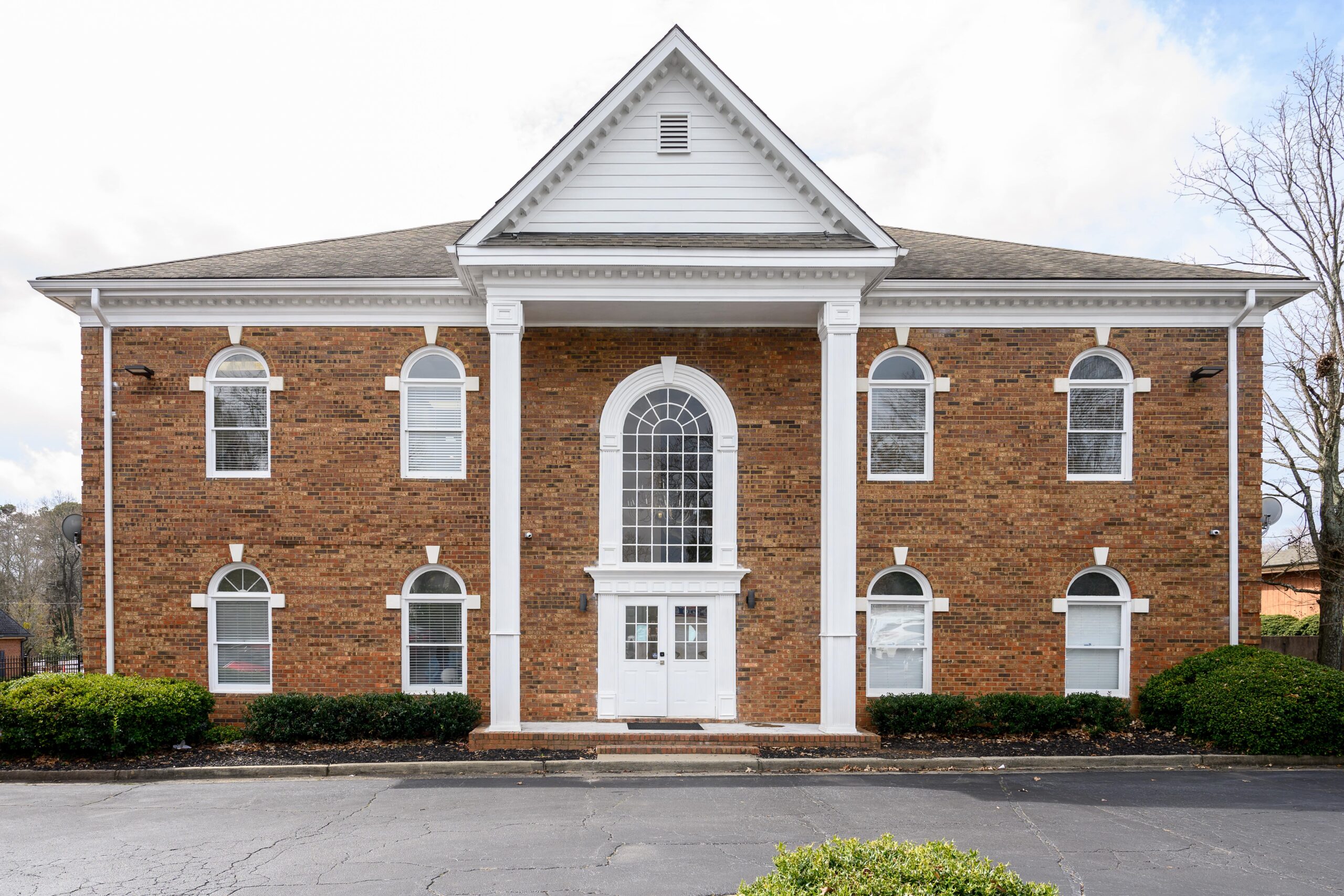
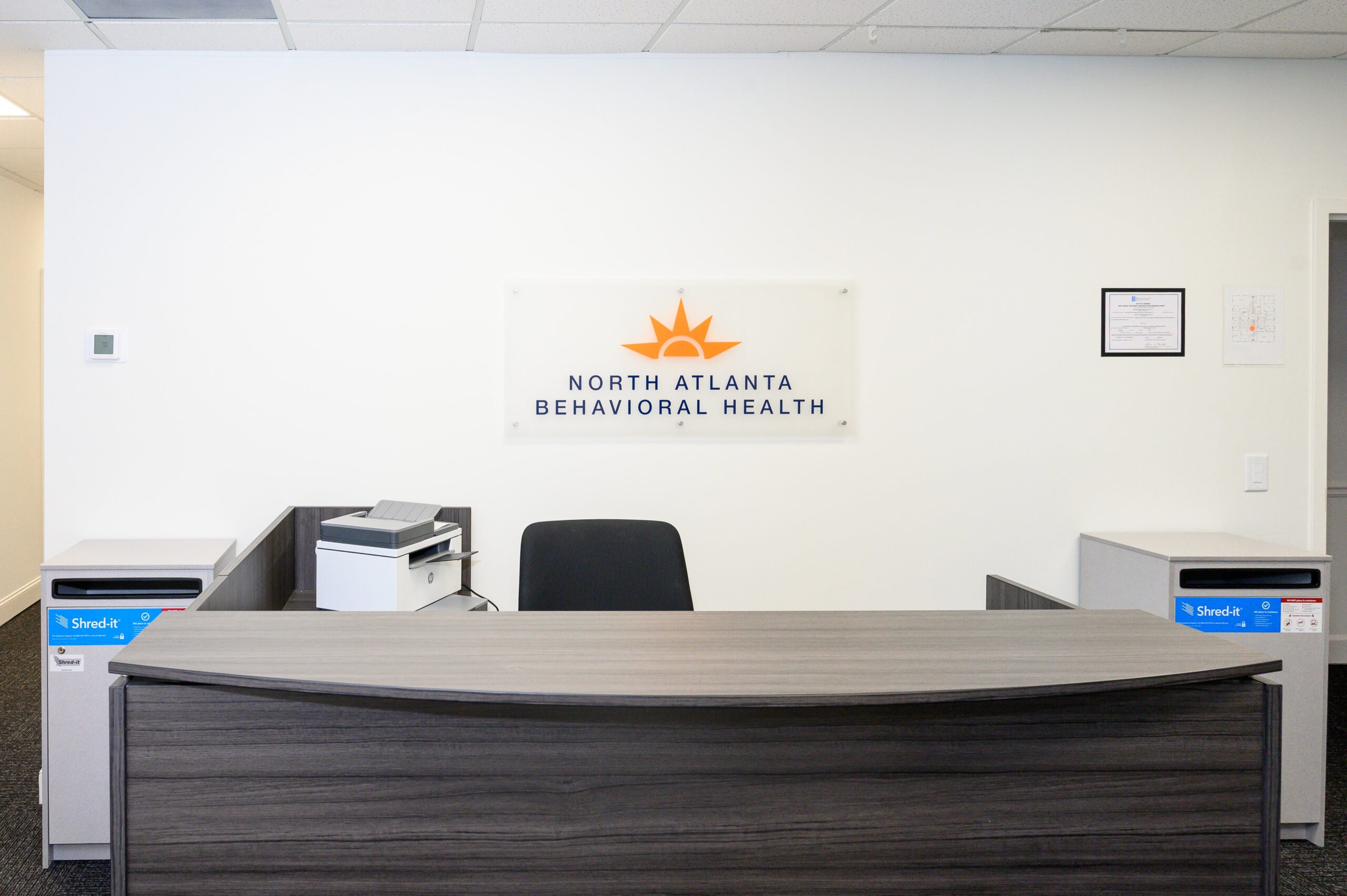
Facility Image Gallery









Begin Alcohol Detox in Atlanta Today
You do not have to face alcohol withdrawal alone. Detox can feel intimidating, but with medical support and compassionate care, it becomes manageable and safe.
At North Atlanta Behavioral Health, our team provides structured alcohol detox in Atlanta designed to prioritize safety and comfort. From medical stabilization to continued treatment planning, we walk alongside each individual through every phase of recovery.
If you or someone you love is ready to take the first step, contact North Atlanta Behavioral Health today. A healthier future begins with safe detox and continues with comprehensive care built for lasting recovery.

Treatment Philosophy
North Atlanta Behavioral Health is dedicated to the health and happiness of our clients. We offer personalized treatment plans that put each individual’s needs first.

Meet Our Team
Our multidisciplinary team wants nothing more than for our clients to achieve a lifetime of recovery and sobriety. Let us help you get the most out of treatment.
TESTIMONIALS
Success Stories & Testimonials
 I have been to my fair share of mental health programs and this one was extremely small, intimate and every staff member I have ever had contact with has been completely professional, compassionate, and caring.
Marysa Trayer
I’ve had the pleasure of working with their staff. They provide incredible care in a safe and open space. I would recommend this facility to my own family member, which says a lot.
Annemarie Rich
They have the best care with such an amazing staff. There is such a great community there too that offers so much support in helping each other on their recovery. Wonderful experience and highly recommended!!
Colin Hayward
The most incredible treatment facility! Cutting edge treatment and staff that feels like family. Truly a place where they care about helping people.
Josh Mitarnowski
Everything about this facility is 5 star. The staff, the atmosphere. From start to finish they treat you like a real human, and their chief concern is your emotional wellbeing. I couldn’t recommend them enough. Life changing experience 😭
StoryHeights Next Gen