
Thought disorders can make it difficult for a person to communicate clearly or interpret reality.
These changes may interfere with relationships and everyday responsibilities. North Atlanta Behavioral Health provides compassionate thought disorder treatment in Atlanta, GA, through structured outpatient programs.
Our team works with each client to understand their symptoms and develop an individualized treatment plan. Care may include therapy, psychiatric services, and medication management.
Call 770-230-5699 or speak with our admissions team to discuss available support.
What Is a Thought Disorder?
A thought disorder affects the way a person forms, organizes, or expresses ideas. Someone may move rapidly between unrelated subjects or give answers that are difficult to understand. Others experience beliefs or perceptions that differ significantly from shared reality.
Clinicians often use the term “thought disorder” to describe symptoms associated with a broader mental health condition. These symptoms can occur with schizophrenia, schizoaffective disorder, or certain mood disorders. A thorough evaluation is needed to identify the underlying condition and recommend an appropriate level of care.
Types of Thought Disorders
Thought disorders can affect the form or content of a person’s thinking. A formal thought disorder changes how ideas are organized and communicated. A content-related disturbance affects what someone believes, including delusions or persistent preoccupations.
Mental health conditions commonly associated with disordered thinking include:
- Schizophrenia: Schizophrenia may cause disorganized speech, hallucinations, delusions, and changes in everyday functioning.
- Schizoaffective Disorder: This condition includes symptoms of schizophrenia alongside significant episodes of depression or mania.
- Bipolar Disorder: Severe manic or depressive episodes can sometimes involve psychosis or disrupted thought patterns.
- Substance-Induced Psychotic Disorder: Alcohol, certain drugs, or medication effects can produce symptoms that resemble a primary thought disorder.
- Brief Psychotic Disorder: A person experiences a sudden period of psychotic symptoms that lasts for a limited amount of time.
- Schizophreniform Disorder: Symptoms resemble schizophrenia but occur for a shorter duration.
Atlanta Thought Disorder Treatment Programs
The appropriate level of care depends on symptom severity and the person’s ability to function safely outside treatment hours. North Atlanta Behavioral Health offers several outpatient programs for people who can live at home or in supportive housing. Clients may transition between programs as their symptoms and clinical needs change.
Our Atlanta thought disorder treatment programs include:
- Partial Hospitalization Program: PHP provides the most structured level of outpatient care available at North Atlanta Behavioral Health.
- Intensive Outpatient Program: IOP offers frequent clinical support with fewer weekly treatment hours than PHP.
- Outpatient Program: Outpatient care provides continued treatment for clients who require less clinical structure.
Signs and Symptoms of a Thought Disorder
Thought disorder symptoms vary according to the underlying diagnosis and current mental state. Some changes are noticeable during a conversation, while others appear through unusual behavior or declining daily functioning. Family members may recognize these changes before the person understands that something is wrong.
Possible signs of a thought disorder include:
- Disorganized speech: The person may give answers that are difficult to follow or shift between unrelated subjects.
- Loose associations: Ideas may have little or no logical connection to one another.
- Thought blocking: A person may suddenly stop speaking because their train of thought appears to disappear.
- Delusions: The person may hold fixed beliefs that remain unchanged despite clear evidence.
- Hallucinations: Someone may hear, see, or sense things that other people do not perceive.
- Reduced emotional expression: Facial expressions, vocal tone, or emotional responses may become limited.
- Social withdrawal: The person may avoid loved ones and lose interest in activities they once enjoyed.
- Difficulty functioning: Symptoms may interfere with work, personal care, or household responsibilities.
Diagnosing Thought Disorders
A diagnosis begins with a detailed evaluation by a qualified mental health professional. The clinician asks about current symptoms, medical history, medication use, and any family history of psychiatric illness. Information from a loved one may also be helpful when the client has difficulty describing recent changes.
Medical conditions and substance use can produce symptoms that resemble a psychiatric thought disorder. A clinician may recommend physical testing or a medical evaluation to rule out other explanations. The duration and pattern of symptoms help determine which diagnosis is most appropriate.
How Treatment at North Atlanta Behavioral Health Works
Treatment begins with an assessment of the client’s symptoms and current level of stability. The clinical team uses this information to recommend a suitable program and create an individualized plan. Progress is monitored throughout care so the plan can be adjusted when needed.
Outpatient treatment gives clients opportunities to practice new skills in their daily environment. Consistent attendance is especially important because changes in speech or behavior may provide early signs that symptoms are returning. Family involvement may also help create a more stable and informed support system.
Therapy for Thought Disorders
Therapy can help clients understand their symptoms and respond more effectively when unusual thoughts or perceptions occur. It may also address anxiety, isolation, and the practical effects of living with a serious mental health condition. The therapeutic approach should reflect the client’s communication abilities and current stability.
Therapeutic services at North Atlanta Behavioral Health include:
- Individual therapy: Private sessions allow clients to discuss symptoms and work toward personal treatment goals.
- Group therapy: Structured groups support skill development and connection with other clients.
- Family therapy: Family sessions help loved ones understand symptoms and respond in supportive ways.
- Psychiatric services: Psychiatric care supports diagnostic clarification and ongoing symptom management.
Medication for Thought Disorders
Antipsychotic medication is commonly used to reduce hallucinations, delusions, and severe disorganization. The prescribing clinician chooses a medication based on the diagnosis, symptoms, medical history, and previous response to treatment. Some clients may also receive medication for mood symptoms or other co-occurring concerns.
Finding an effective medication may require careful adjustments over time. Clients should tell their provider about side effects and changes in symptoms. North Atlanta Behavioral Health offers psychiatric services to support evaluation and medication management during treatment.
Why North Atlanta Behavioral Health?
North Atlanta Behavioral Health provides structured care in a comfortable outpatient environment. Our team understands that thought disorder symptoms can affect communication and a person’s sense of safety. Clients are treated with patience, dignity, and respect throughout the recovery process.
Our programs combine clinical structure with individualized care. North Atlanta Behavioral Health is also accredited by The Joint Commission, which evaluates healthcare organizations according to established quality and safety standards. The availability of PHP, IOP, and outpatient care supports a gradual transition between levels of treatment.
Frequently Asked Questions
Can a Thought Disorder Be Treated?
Yes. Treatment can reduce symptoms and help many people improve their daily functioning. Ongoing care may be needed to maintain stability and recognize early warning signs.
Does Having Disorganized Thoughts Mean Someone Has Schizophrenia?
Disorganized thinking can occur with several psychiatric or medical conditions. Substance use and medication effects can also change how a person thinks or communicates. A professional evaluation is necessary before a diagnosis can be made.
Can Someone With a Thought Disorder Receive Outpatient Treatment?
Outpatient care may be appropriate when a person can remain safe and stable outside program hours. People experiencing severe psychosis or an immediate safety risk may require hospitalization before entering outpatient treatment. An assessment can identify the safest level of care.
How Long Does Thought Disorder Treatment Last?
Treatment length depends on the diagnosis and the person’s response to care. Some clients begin with a more intensive program and transition to fewer weekly sessions as they stabilize. Long-term psychiatric follow-up may help manage symptoms after the initial program ends.
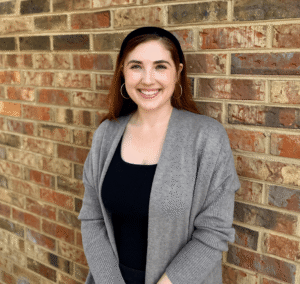
Medically Reviewed by
Jenna Markle, LPC
Last updated: May 12, 2026
Jenna Markle is a Licensed Professional Counselor (LPC) and serves as our Clinical Director. A proud graduate of the University of Georgia, Jenna brings a strong understanding of the local community and a genuine passion for supporting individuals in their mental health and recovery journeys.
Get Help Now
Begin Treatment in Atlanta Today
Mental health disorders and addiction cannot be treated by treating the symptoms alone. We use holistic and evidence-based methods to treat the entire individual.
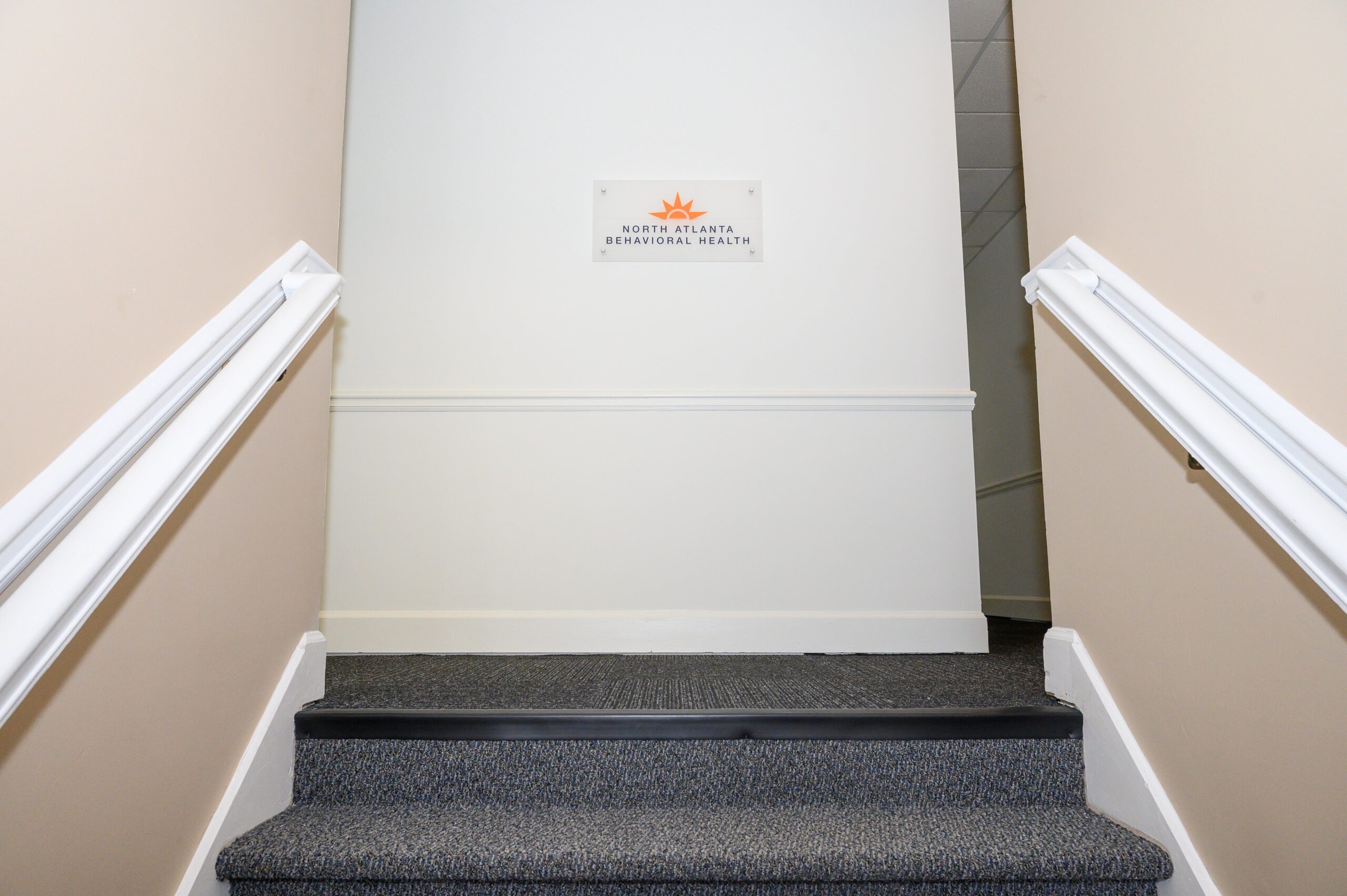
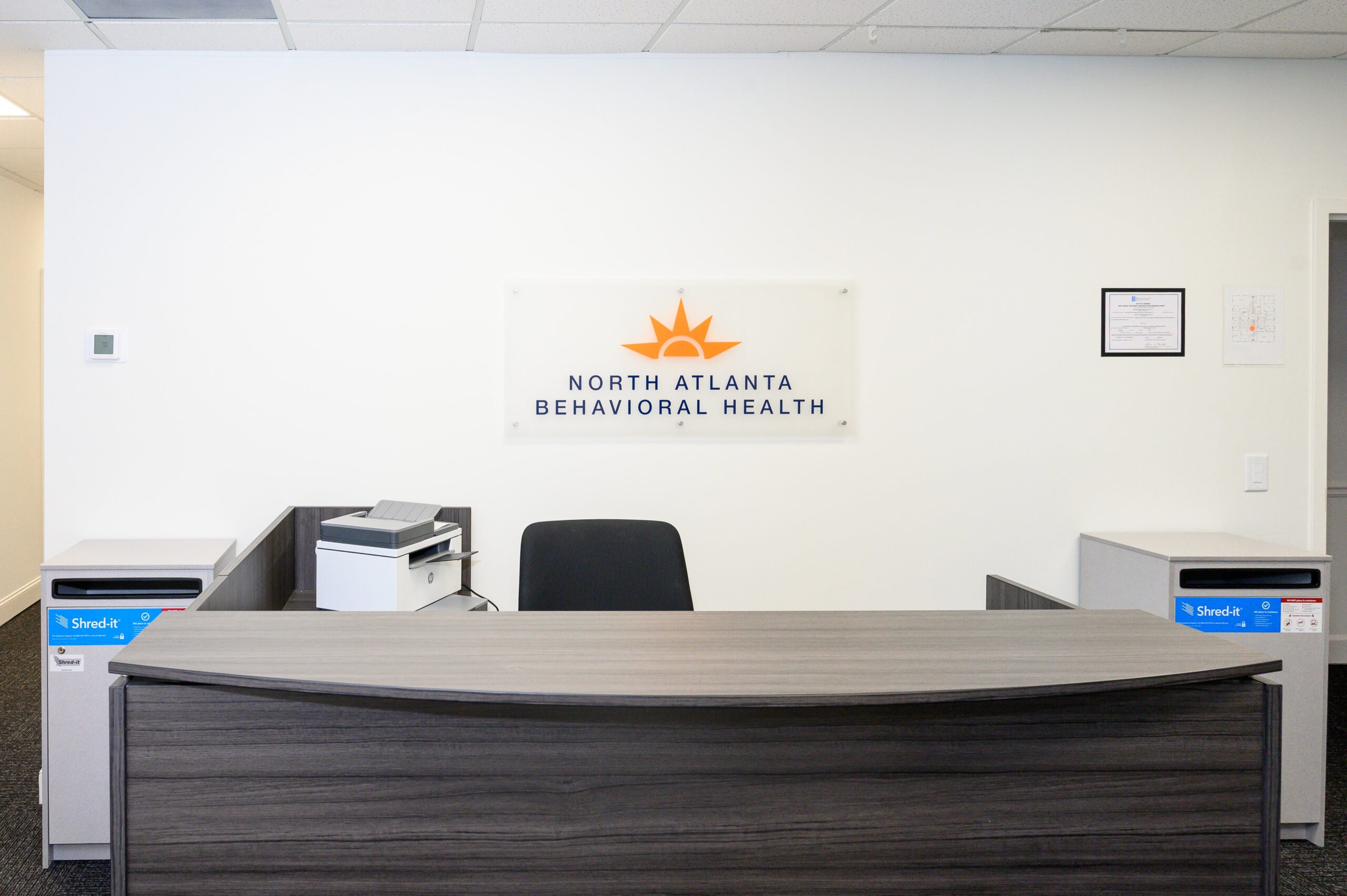
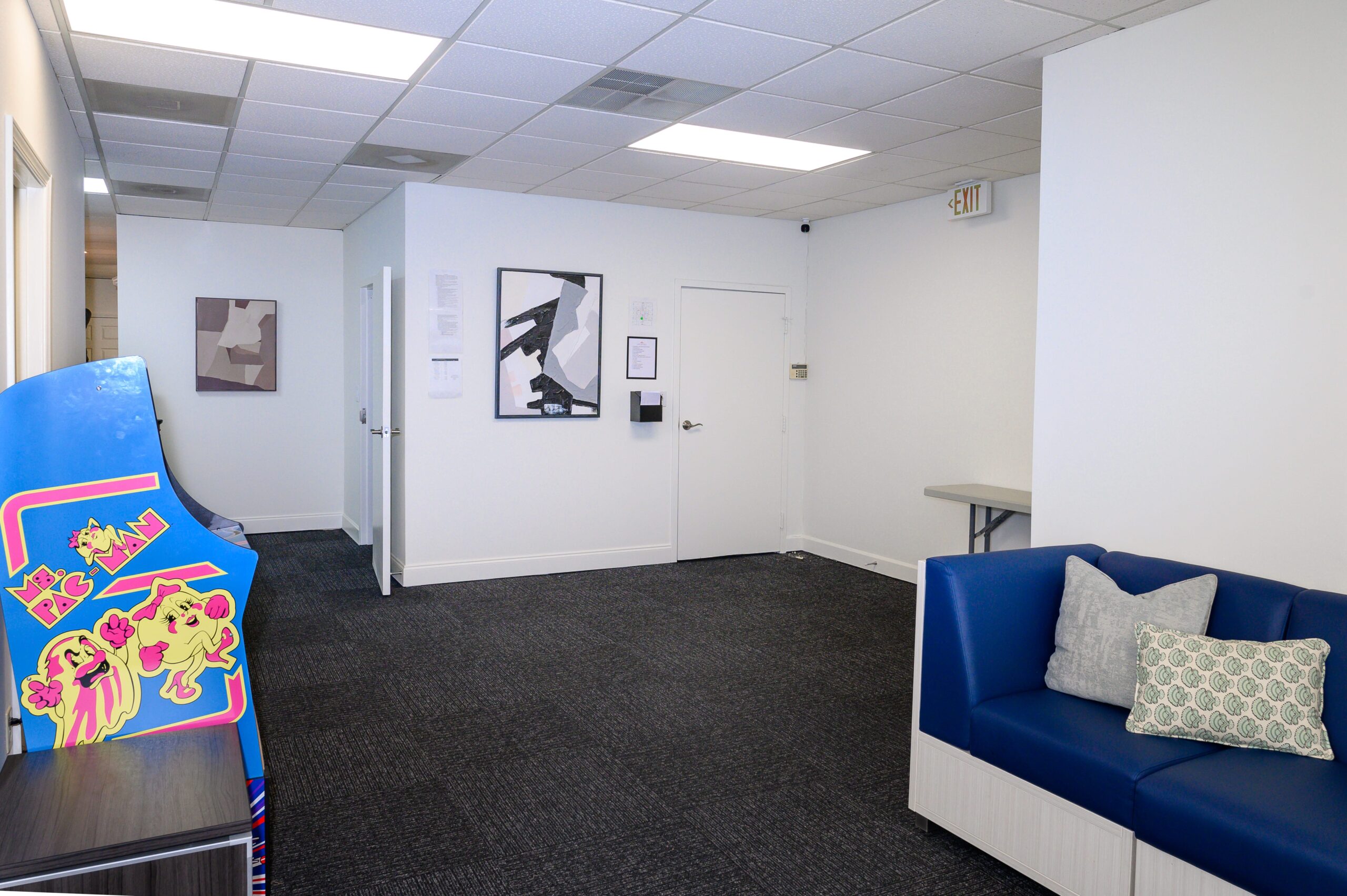
Facility Image Gallery









Begin Thought Disorder Treatment in Atlanta
Changes in speech, beliefs, or behavior can be frightening for the person experiencing them and for the people who care about them. Early professional support can help clarify what is happening and identify an appropriate course of care. Call North Atlanta Behavioral Health at 770-230-5699 to speak confidentially with an admissions specialist.
Learn more about thought disorder treatment in Atlanta, GA, and verify your insurance benefits today.

Treatment Philosophy
North Atlanta Behavioral Health is dedicated to the health and happiness of our clients. We offer personalized treatment plans that put each individual’s needs first.

Meet Our Team
Our multidisciplinary team wants nothing more than for our clients to achieve a lifetime of recovery and sobriety. Let us help you get the most out of treatment.
TESTIMONIALS
Success Stories & Testimonials
 I have been to my fair share of mental health programs and this one was extremely small, intimate and every staff member I have ever had contact with has been completely professional, compassionate, and caring.
Marysa Trayer
I’ve had the pleasure of working with their staff. They provide incredible care in a safe and open space. I would recommend this facility to my own family member, which says a lot.
Annemarie Rich
They have the best care with such an amazing staff. There is such a great community there too that offers so much support in helping each other on their recovery. Wonderful experience and highly recommended!!
Colin Hayward
The most incredible treatment facility! Cutting edge treatment and staff that feels like family. Truly a place where they care about helping people.
Josh Mitarnowski
Everything about this facility is 5 star. The staff, the atmosphere. From start to finish they treat you like a real human, and their chief concern is your emotional wellbeing. I couldn’t recommend them enough. Life changing experience 😭
StoryHeights Next Gen