If you are having thoughts of suicide, you are not alone. Suicidal thoughts are treatable, and help is available. Call or text the 988 Suicide & Crisis Lifeline at 988 or chat with 988 online. If you may act on these thoughts or cannot remain safe, call 911 or go to the nearest emergency room. North Atlanta Behavioral Health is not an emergency response service.
Suicidal thoughts can feel isolating, but experiencing them does not mean that suicide is inevitable.
Many people recover with the right care. Treatment begins by understanding the person’s immediate safety and what may be contributing to the thoughts.
North Atlanta Behavioral Health provides suicidal ideation treatment in Atlanta through structured outpatient programs.
Call 770-230-5699 or begin the admissions process to discuss whether our services are appropriate for your current needs.
What Is Suicidal Ideation?
Suicidal ideation refers to thoughts about death or ending one’s life. These thoughts can range from wishing not to wake up to thinking about a specific method. They may occur briefly or return over an extended period.
Suicidal ideation can occur with depression and other mental health conditions. It may also arise during a major crisis or after a painful loss. Regardless of the cause, suicidal thoughts deserve to be taken seriously.
Passive vs. Active Suicidal Ideation
Passive suicidal ideation involves thoughts about death without a current plan or intention to act. Someone may wish they could disappear or believe others would be better off without them. Passive thoughts still indicate significant distress and can become more severe.
Active suicidal ideation involves considering suicide more directly. The person may think about a method or begin forming a plan. Access to lethal means or an intention to act can indicate an urgent risk that requires immediate intervention.
When to Seek Help
Seek professional help whenever suicidal thoughts appear, even if they feel passive. Early support can help prevent a crisis from becoming more dangerous. A mental health professional can assess risk and recommend an appropriate level of care.
Call 911 or go to the nearest emergency room if:
- You may act soon: You have an immediate intention to attempt suicide.
- You have a specific plan: You have decided how or when you might act.
- You cannot remain safe: You do not trust yourself to get through the current crisis.
- An attempt has occurred: You have injured yourself or taken an overdose.
- Someone is unresponsive: A person cannot be awakened or is having trouble breathing.
If you are uncertain about what to do, call or text 988. A trained crisis counselor can help you identify the safest next step.
How Is Suicidal Ideation Treated?
Treatment begins with a suicide risk assessment. A clinician asks about the nature of the thoughts and whether a plan is present. The assessment also considers access to lethal means and factors that may help the person remain safe.
Treatment may include therapy or psychiatric medication management. A safety plan may also be developed. The exact approach depends on the person’s symptoms and current level of risk. Acute danger requires emergency or inpatient stabilization rather than routine outpatient care.
Levels of Care Available in Atlanta
The appropriate level of care depends on safety and daily functioning. Someone at immediate risk may need emergency evaluation or inpatient hospitalization. Residential mental health treatment may provide continued structure after stabilization. North Atlanta Behavioral Health works with residential partners when that level of care is needed.
Outpatient levels of care available through North Atlanta Behavioral Health include:
- Partial Hospitalization Program: PHP is the most intensive outpatient option and provides structured treatment during the day.
- Intensive Outpatient Program: IOP offers several treatment sessions each week while allowing clients to live at home.
- Outpatient Mental Health Treatment: Outpatient care provides ongoing support for clients who are stable enough to need fewer treatment hours.
An assessment helps determine whether an outpatient program can safely meet the person’s needs. A recommendation may change if risk increases during treatment.
How to Help Someone Who Is Having Suicidal Thoughts
Ask directly whether the person is thinking about suicide. Asking the question does not give someone the idea. It can create an opening for an honest conversation. Listen without arguing or trying to convince them that their problems are not serious.
If there is immediate danger, do not leave the person alone. Reduce access to weapons or medications if you can do so safely. Call 911 or take the person to an emergency room. The National Institute of Mental Health (NIMH) action steps for helping someone with suicidal thoughts also recommend helping the person connect with support and following up afterward.
Getting Help at North Atlanta Behavioral Health
North Atlanta Behavioral Health provides individualized treatment for adults who need continued support after a crisis or whose suicidal thoughts can be managed safely in outpatient care. Treatment may address depression or another condition contributing to the thoughts.
Our admissions team can learn about the current situation and explain available programs. If a person needs inpatient or residential care first, we can discuss more appropriate placement options. Outpatient treatment may then support continued recovery after stabilization.
Frequently Asked Questions
Is Suicidal Ideation a Medical Emergency?
Suicidal ideation can be a medical emergency. The urgency depends on whether the person has a plan or intends to act. Access to lethal means also increases concern.
Passive thoughts still require professional support. If you do not know whether the situation is urgent, call or text 988 for immediate guidance.
Can You Be Hospitalized for Having Suicidal Thoughts?
Yes, hospitalization is possible, but disclosing suicidal thoughts does not automatically result in admission. A clinician evaluates whether the person can remain safe and whether a less restrictive level of care is appropriate.
Hospitalization may be recommended when the risk of an attempt is immediate or the person cannot participate in a safety plan. Its purpose is to provide protection and stabilization during a crisis.
Does Insurance Cover Treatment for Suicidal Ideation?
Many insurance plans cover medically necessary mental health treatment. Coverage may include emergency care or outpatient programming. Deductibles and authorization requirements vary by policy.
Our admissions team can check your plan and explain any expected costs before treatment begins. Verification does not obligate you to enroll.
What Is a Safety Plan?
A safety plan is a written guide for responding when suicidal thoughts intensify. It identifies personal warning signs and coping strategies. It also lists supportive people and crisis services that can be contacted.
The plan may include steps for making the environment safer by limiting access to lethal means. A safety plan should be developed with a qualified professional when possible. It is not a substitute for emergency help during immediate danger.
How Do I Know if Someone Is at Risk?
Possible warning signs include talking about wanting to die or feeling like a burden. Giving away meaningful belongings or searching for a method can also indicate risk. New withdrawal and extreme mood changes deserve attention.
Do not rely on warning signs alone. Some people hide their distress. Ask the person directly and take the answer seriously. The NIMH warning signs of suicide can provide additional guidance.

Medically Reviewed by
Jenna Markle, LPC
Last updated: May 12, 2026
Jenna Markle is a Licensed Professional Counselor (LPC) and serves as our Clinical Director. A proud graduate of the University of Georgia, Jenna brings a strong understanding of the local community and a genuine passion for supporting individuals in their mental health and recovery journeys.
Get Help Now
Begin Treatment in Atlanta Today
Mental health disorders and addiction cannot be treated by treating the symptoms alone. We use holistic and evidence-based methods to treat the entire individual.
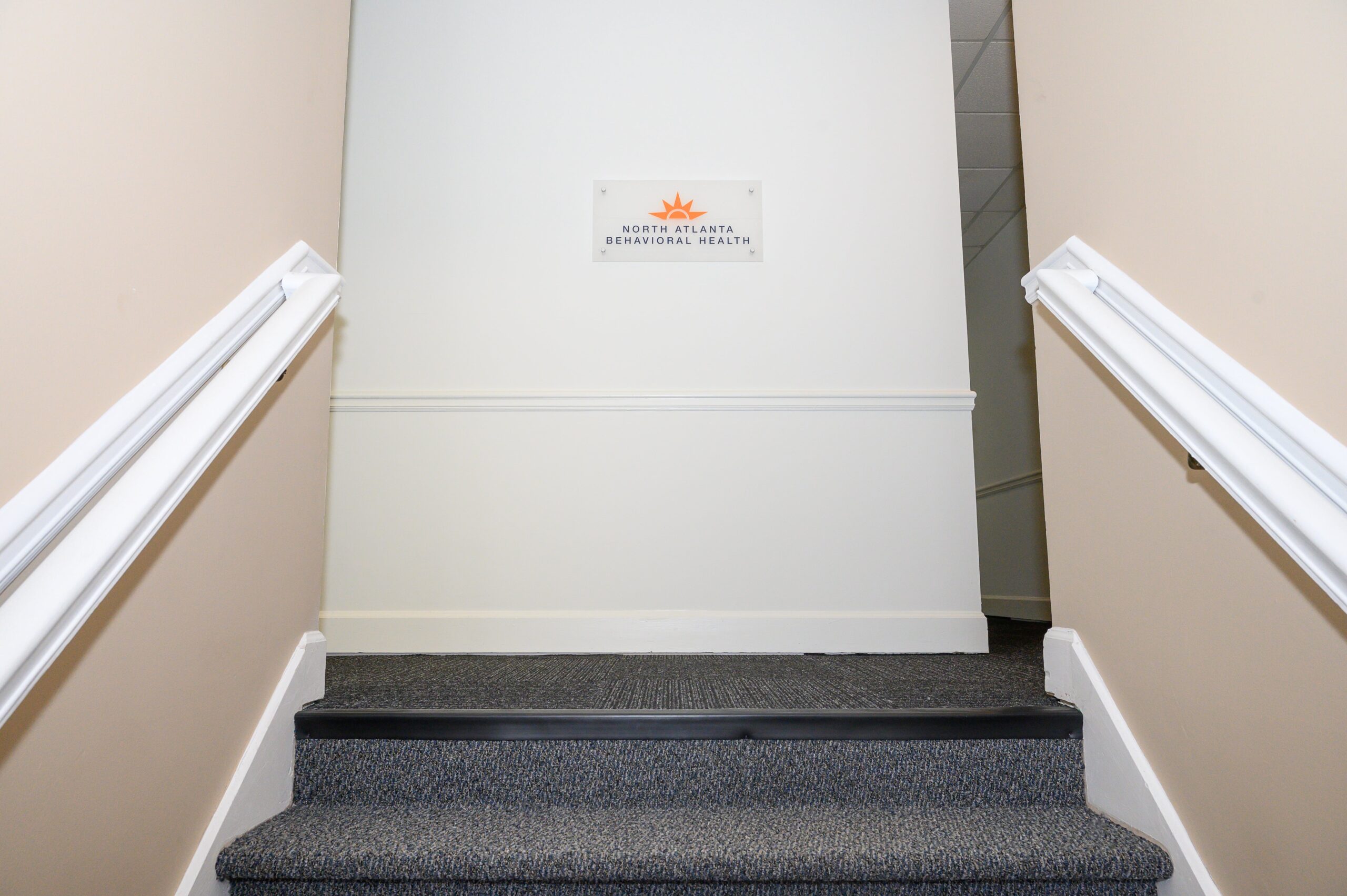
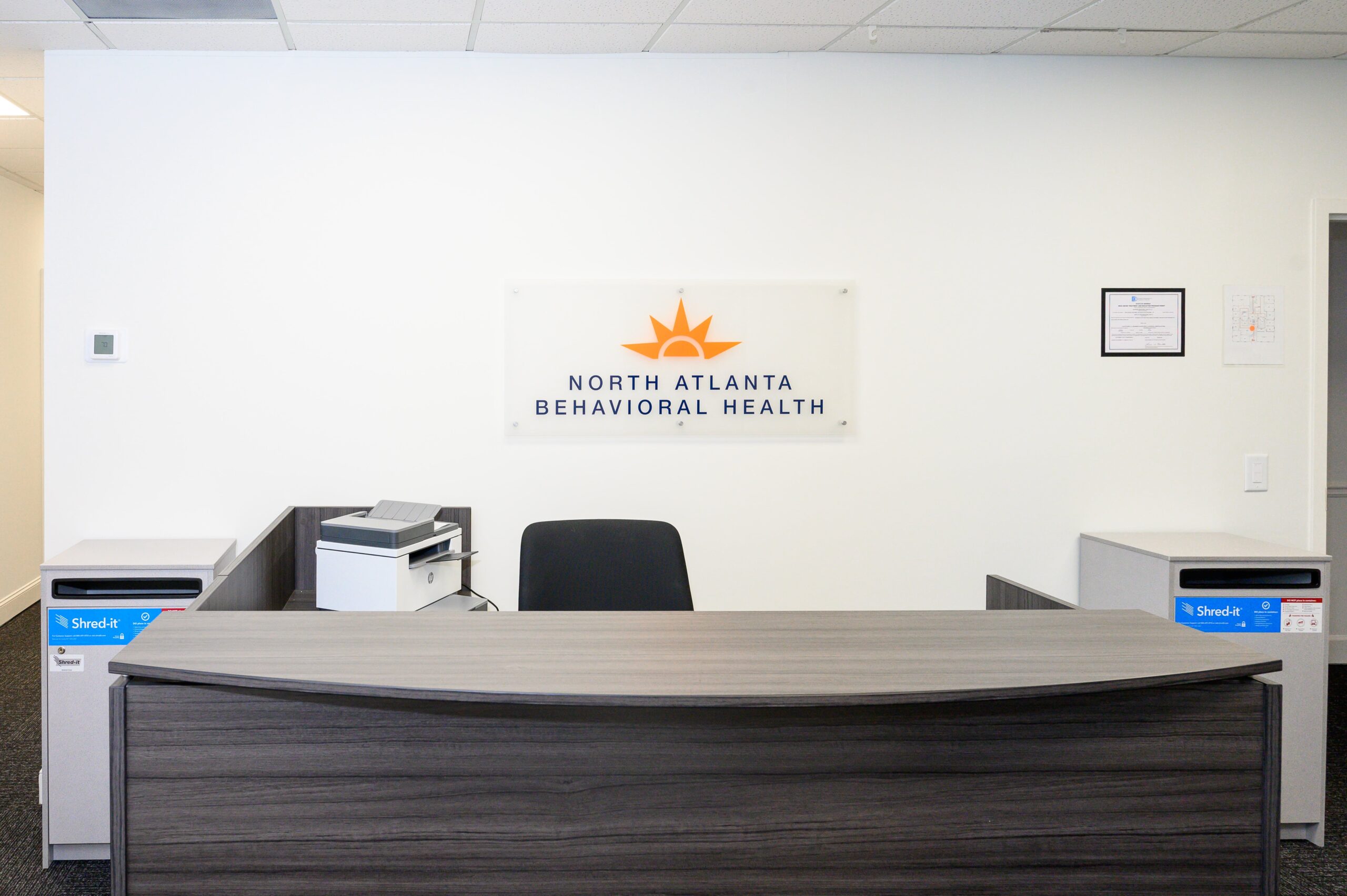
Facility Image Gallery










Begin Suicidal Ideation Treatment in Atlanta
Suicidal thoughts can change with treatment and support. You do not have to wait for them to become an immediate crisis before asking for help.
If there is immediate danger, call 911 or go to the nearest emergency room. Otherwise, call North Atlanta Behavioral Health at 770-230-5699 to discuss the appropriate next step and verify your insurance benefits today.

Treatment Philosophy
North Atlanta Behavioral Health is dedicated to the health and happiness of our clients. We offer personalized treatment plans that put each individual’s needs first.

Meet Our Team
Our multidisciplinary team wants nothing more than for our clients to achieve a lifetime of recovery and sobriety. Let us help you get the most out of treatment.
TESTIMONIALS
Success Stories & Testimonials
 I have been to my fair share of mental health programs and this one was extremely small, intimate and every staff member I have ever had contact with has been completely professional, compassionate, and caring.
Marysa Trayer
I’ve had the pleasure of working with their staff. They provide incredible care in a safe and open space. I would recommend this facility to my own family member, which says a lot.
Annemarie Rich
They have the best care with such an amazing staff. There is such a great community there too that offers so much support in helping each other on their recovery. Wonderful experience and highly recommended!!
Colin Hayward
The most incredible treatment facility! Cutting edge treatment and staff that feels like family. Truly a place where they care about helping people.
Josh Mitarnowski
Everything about this facility is 5 star. The staff, the atmosphere. From start to finish they treat you like a real human, and their chief concern is your emotional wellbeing. I couldn’t recommend them enough. Life changing experience 😭
StoryHeights Next Gen