
Home »
Living with a mental disorder can feel overwhelming, confusing, and at times isolating—but you’re not alone. Millions of Americans struggle with their mental health, and support is available. At North Atlanta Behavioral Health, we believe that healing begins with understanding. We offer compassionate, evidence-based outpatient care that empowers individuals to take control of their symptoms, reconnect with their lives, and move forward with clarity and purpose.
Our Atlanta-based mental health center is rooted in connection and community. Whether you’re navigating a recent diagnosis, grappling with long-standing emotional pain, or simply trying to make sense of how you feel, our team is here to help. We treat a wide range of mental disorders in a supportive, real-world outpatient setting, where healing happens in the context of daily life.
What is a Mental Disorder?
A mental disorder is a condition that affects a person’s thinking, emotional regulation, or behavior. These conditions can disrupt relationships, work, school, and daily responsibilities, making it difficult to function. Mental disorders range in severity, from temporary struggles with anxiety to chronic conditions like schizophrenia.
While everyone experiences emotional ups and downs, a mental disorder involves symptoms that are persistent, distressing, and impairing. These disorders are not signs of weakness or character flaws—they are legitimate medical conditions that deserve compassionate, effective care. With the right diagnosis and treatment, many people living with mental disorders go on to lead fulfilling, meaningful lives.
Types of Mental Disorders
Mental disorders are diverse and affect people in unique ways. At North Atlanta Behavioral Health, we specialize in treating a variety of mental health conditions with individualized approaches that meet you where you are. Below are some of the most common categories we treat.
Mood Disorders
Mood disorders are characterized by persistent disturbances in mood that interfere with daily functioning. These can include episodes of intense sadness, irritability, or elevated mood that go beyond typical emotional reactions.
Common mood disorders include:
- Major Depressive Disorder (MDD): Persistent feelings of sadness, loss of interest, fatigue, and hopelessness.
- Bipolar Disorder: Alternating episodes of depression and mania (elevated mood, impulsivity, grandiosity).
- Dysthymia (Persistent Depressive Disorder): Long-term, low-level depression that lasts for two years or more.
- Cyclothymic Disorder: Less severe but chronic mood swings between depression and hypomania.
Trauma Disorders
Trauma disorders develop after exposure to a distressing or life-threatening event. These conditions often lead to long-lasting emotional and psychological symptoms, such as intrusive memories, hypervigilance, or emotional numbing.
Common trauma-related disorders include:
- Post-Traumatic Stress Disorder (PTSD): Characterized by flashbacks, nightmares, avoidance, and heightened reactivity.
- Acute Stress Disorder: Similar to PTSD, but symptoms occur immediately after trauma and last less than a month.
- Adjustment Disorder: Emotional or behavioral symptoms in response to a stressful event or change in life.
Anxiety Disorders
Anxiety disorders involve excessive fear or worry that is difficult to control and disproportionate to the situation. While occasional anxiety is normal, persistent and intense anxiety can significantly impair quality of life.
Common anxiety disorders include:
- Generalized Anxiety Disorder (GAD): Ongoing, uncontrollable worry about everyday things.
- Panic Disorder: Sudden episodes of intense fear, often accompanied by physical symptoms like chest pain or shortness of breath.
- Social Anxiety Disorder: Extreme fear of judgment or embarrassment in social situations.
- Phobias: Intense fear of specific objects, activities, or situations (e.g., heights, flying, animals).
- Obsessive-Compulsive Disorder (OCD): Characterized by intrusive thoughts (obsessions) and repetitive behaviors (compulsions).
Personality Disorders
Personality disorders involve deeply ingrained patterns of thinking and behaving that deviate from cultural norms and cause significant distress or difficulty in relationships and daily life.
Common personality disorders include:
- Borderline Personality Disorder (BPD): Intense emotions, fear of abandonment, unstable relationships, and impulsivity.
- Narcissistic Personality Disorder: A pattern of grandiosity, need for admiration, and lack of empathy.
- Avoidant Personality Disorder: Extreme social inhibition, feelings of inadequacy, and sensitivity to rejection.
- Antisocial Personality Disorder: Disregard for the rights of others, often involving deceit or manipulation.
Schizophrenia Spectrum Disorders
These disorders are marked by distorted thinking, perceptions, emotions, language, sense of self, and behavior. Individuals may experience hallucinations, delusions, and impaired cognitive functioning.
Schizophrenia spectrum disorders include:
- Schizophrenia: A chronic condition involving delusions, hallucinations, disorganized speech or behavior, and social withdrawal.
- Schizoaffective Disorder: A combination of schizophrenia symptoms and mood disorder symptoms.
- Brief Psychotic Disorder: Sudden onset of psychotic symptoms lasting less than one month, often triggered by stress or trauma.
Eating Disorders
Eating disorders involve severe disturbances in eating behaviors, thoughts about food, body image, and weight. These disorders can have serious physical and emotional consequences.
Common eating disorders include:
- Anorexia Nervosa: Intense fear of gaining weight, food restriction, and distorted body image.
- Bulimia Nervosa: Episodes of binge eating followed by compensatory behaviors such as vomiting or excessive exercise.
- Binge Eating Disorder: Recurrent episodes of eating large amounts of food without purging, often accompanied by shame or guilt.
- Avoidant/Restrictive Food Intake Disorder (ARFID): Limited food intake due to sensory sensitivities or fear of adverse effects (not related to body image).
How Are Mental Disorders Diagnosed?
Mental disorders are diagnosed using criteria outlined in the Diagnostic and Statistical Manual of Mental Disorders, Fifth Edition (DSM-5). This manual, published by the American Psychiatric Association, provides standardized guidelines for diagnosing mental health conditions. At North Atlanta Behavioral Health, we approach diagnosis with care and thoughtfulness. We know that a label doesn’t define you—but it can provide a roadmap for treatment and healing.
A diagnosis typically involves:
- A comprehensive assessment by a licensed mental health professional.
- A detailed review of your symptoms, history, and functioning.
- Use of screening tools and structured interviews.
- Collaboration with your primary care provider or psychiatrist, when appropriate.
Recommended: Does Georgia Have A Baker Act?
How Are Mental Disorders Treated?
There is no one-size-fits-all approach to treating mental disorders. At our Atlanta mental health center, we offer a range of evidence-based outpatient programs designed to meet each client’s unique needs. Treatment often includes a combination of therapies, psychiatry, support services, and, when necessary, medication management.
Our Treatment Approaches May Include:
- Individual Therapy: One-on-one counseling to explore thoughts, emotions, and behaviors in a safe and private setting.
- Group Therapy: Shared healing with peers, led by licensed clinicians, to foster connection and mutual support.
- Medication Management: Careful prescribing and monitoring of psychiatric medications by our team of psychiatrists and nurse practitioners.
- Cognitive Behavioral Therapy (CBT): A structured, short-term approach that helps you reframe negative thinking patterns.
- Dialectical Behavior Therapy (DBT): A skills-based therapy that focuses on emotional regulation, mindfulness, and distress tolerance.
- Trauma-Informed Care: Treatment that acknowledges and addresses the impact of trauma on mental health.
- Family Therapy: Involving loved ones in the healing process to improve communication, understanding, and support.
- Case Management & Life Skills: Practical support for navigating daily responsibilities, housing, employment, and education.
Our programs are designed to help you integrate treatment into your real life—not retreat from it. Whether you’re participating in our Partial Hospitalization Program (PHP), Intensive Outpatient Program (IOP), or Outpatient Program (OP), you’ll receive consistent, high-quality care in a flexible setting that promotes autonomy and accountability.
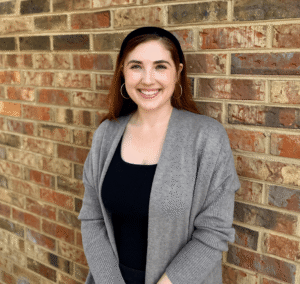
Medically Reviewed by
Jenna Markle, LPC
Last updated: May 12, 2026
Jenna Markle is a Licensed Professional Counselor (LPC) and serves as our Clinical Director. A proud graduate of the University of Georgia, Jenna brings a strong understanding of the local community and a genuine passion for supporting individuals in their mental health and recovery journeys.
Get Help Now
Begin Treatment in Atlanta Today
Mental health disorders and addiction cannot be treated by treating the symptoms alone. We use holistic and evidence-based methods to treat the entire individual.
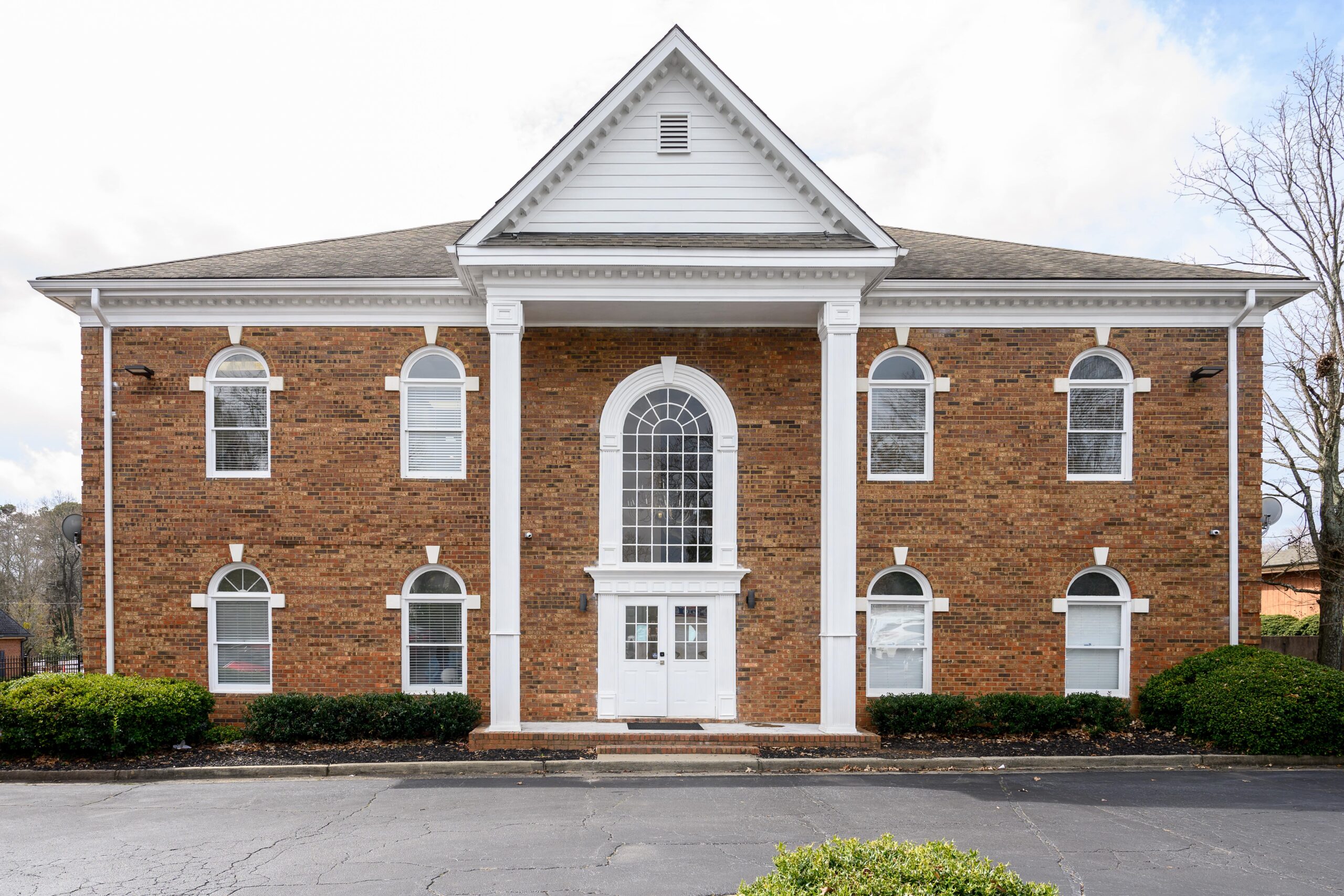
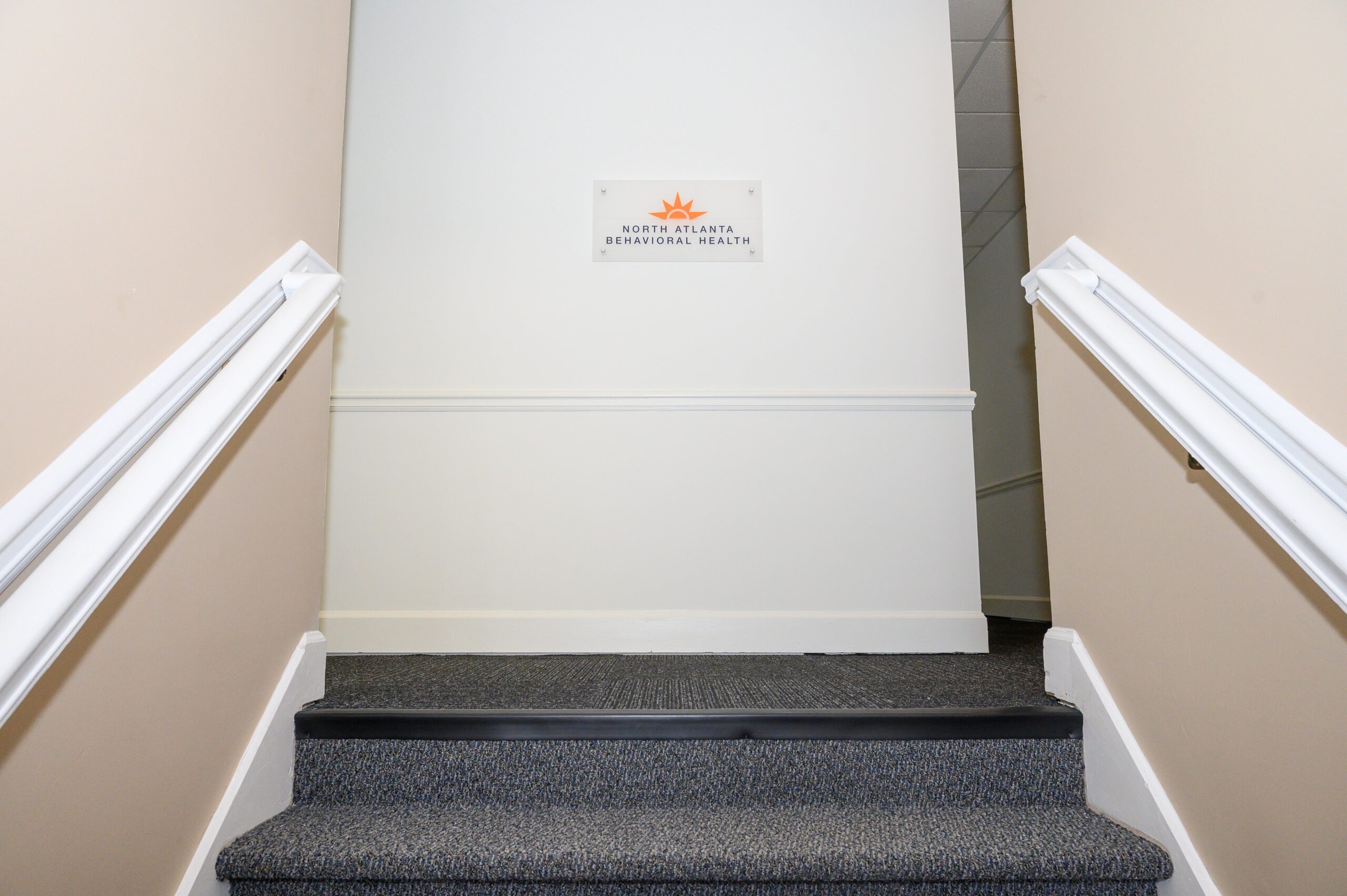
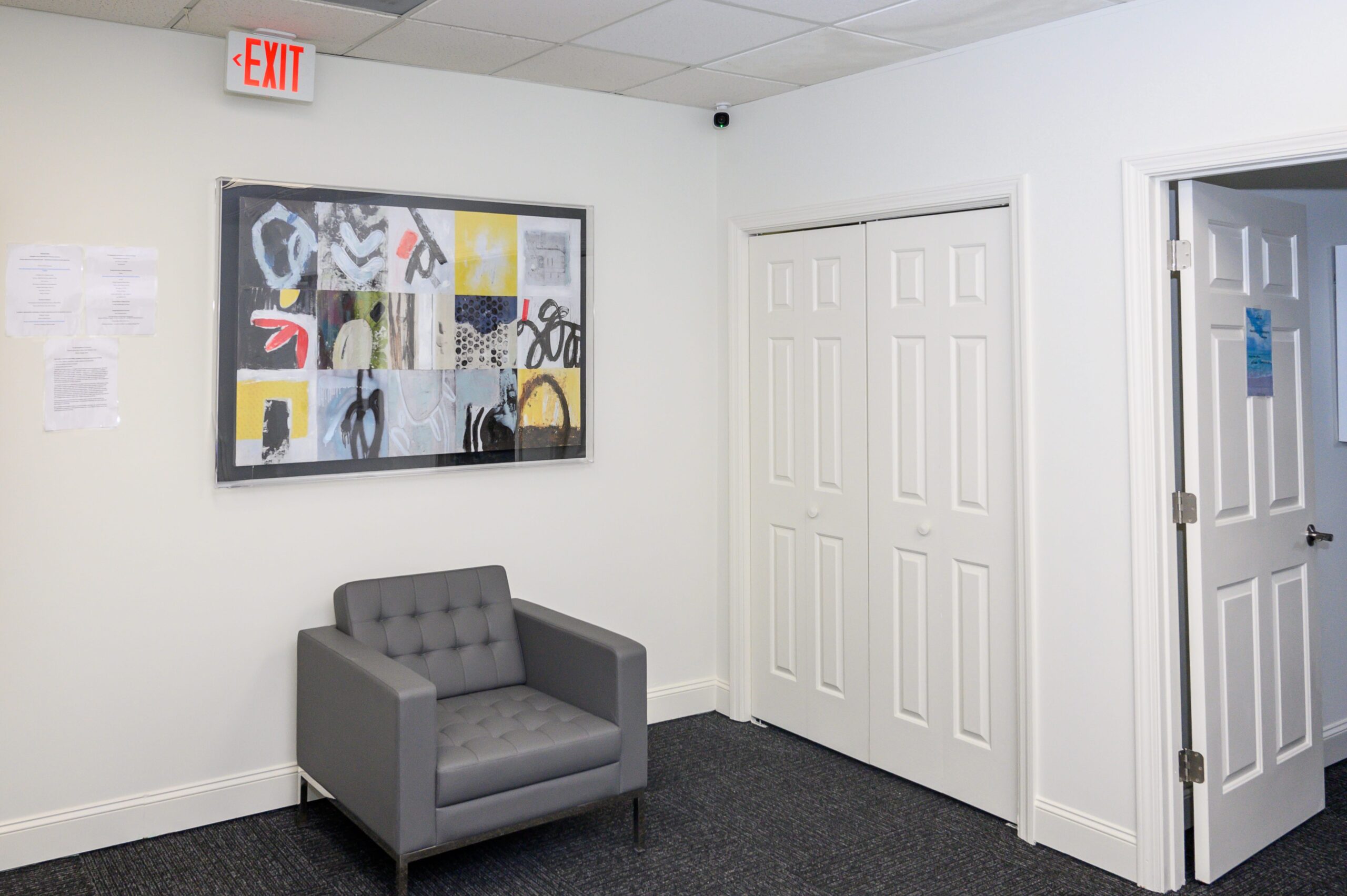
Facility Image Gallery




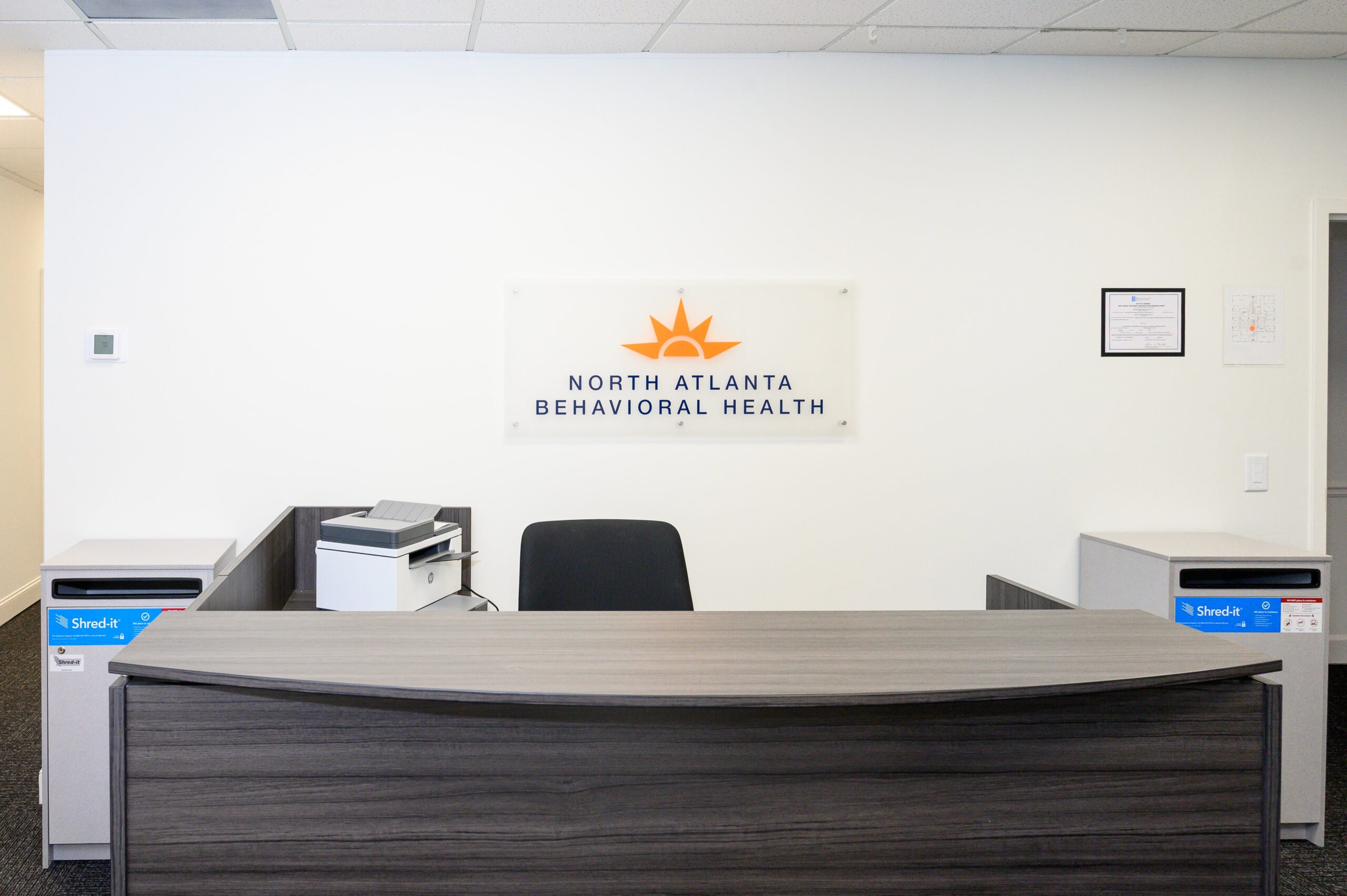


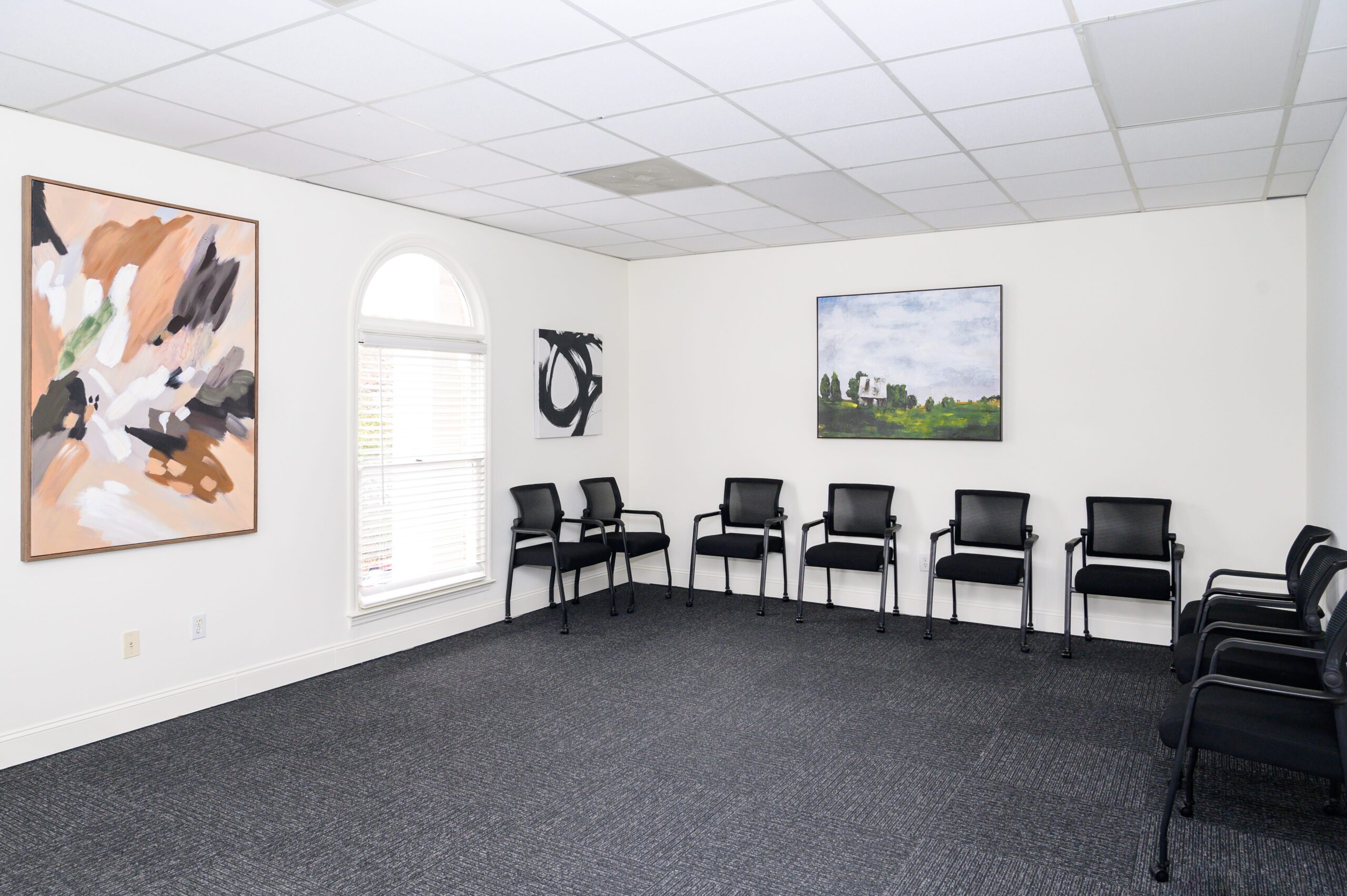

Learn More About Mental Disorder Recovery in Atlanta
You don’t have to carry the weight of a mental disorder alone. At North Atlanta Behavioral Health, we provide compassionate, comprehensive outpatient care that empowers you to reclaim your life. Whether you’re seeking answers, stability, or hope, our team is here to walk alongside you every step of the way.
Call us today or reach out online to learn more about our Atlanta-based mental health programs. Healing is possible, and it starts with one brave step.

Treatment Philosophy
North Atlanta Behavioral Health is dedicated to the health and happiness of our clients. We offer personalized treatment plans that put each individual’s needs first.

Meet Our Team
Our multidisciplinary team wants nothing more than for our clients to achieve a lifetime of recovery and sobriety. Let us help you get the most out of treatment.
Related Posts
TESTIMONIALS
Success Stories & Testimonials
 I have been to my fair share of mental health programs and this one was extremely small, intimate and every staff member I have ever had contact with has been completely professional, compassionate, and caring.
Marysa Trayer
I’ve had the pleasure of working with their staff. They provide incredible care in a safe and open space. I would recommend this facility to my own family member, which says a lot.
Annemarie Rich
They have the best care with such an amazing staff. There is such a great community there too that offers so much support in helping each other on their recovery. Wonderful experience and highly recommended!!
Colin Hayward
The most incredible treatment facility! Cutting edge treatment and staff that feels like family. Truly a place where they care about helping people.
Josh Mitarnowski
Everything about this facility is 5 star. The staff, the atmosphere. From start to finish they treat you like a real human, and their chief concern is your emotional wellbeing. I couldn’t recommend them enough. Life changing experience 😭
StoryHeights Next Gen