
What Is Prozac Used For?
Prozac is the brand name for fluoxetine, an SSRI (selective serotonin reuptake inhibitor).
The FDA has approved Prozac to treat:
- Major Depressive Disorder (MDD)
- Obsessive-Compulsive Disorder (OCD)
- Panic Disorder
- Bulimia Nervosa
- Bipolar Depression (in combination with olanzapine)
- Treatment-Resistant Depression (in combination with olanzapine)
Prozac for anxiety is also widely used, particularly for panic disorder and social anxiety, though some anxiety applications fall under off-label prescribing. Physicians prescribe fluoxetine off-label for generalized anxiety disorder, PTSD, social anxiety disorder, and premenstrual dysphoric disorder (PMDD).
How Fluoxetine Works
Like all SSRIs, fluoxetine works by increasing the availability of serotonin in the brain.
Serotonin is a neurotransmitter, a chemical that carries signals between nerve cells. It plays a central role in regulating mood, sleep, appetite, and emotional resilience. In people living with depression or anxiety, serotonin activity is often disrupted.
Fluoxetine blocks the reabsorption of serotonin after it is released between nerve cells. This keeps more serotonin active in the brain for longer, strengthening and stabilizing the signals that influence how we feel.
Over time, this shift supports more consistent mood regulation, reduced anxiety, and improved emotional functioning.
Fluoxetine has a uniquely long half-life compared to other SSRIs. It stays in the body for several weeks after the last dose. This characteristic makes it more forgiving if a dose is missed. It also means that discontinuation is generally gentler than with shorter-acting antidepressants.
Side Effects: What’s Common, What’s Temporary, What to Watch For
Fluoxetine side effects are most noticeable in the first two to four weeks of treatment. For most people, they ease as the body adjusts.
Common side effects include:
- Nausea or upset stomach
- Headache
- Insomnia or sleep disturbances
- Fatigue or drowsiness
- Dry mouth
- Increased sweating
- Decreased appetite or weight changes
- Nervousness or restlessness in early weeks
- Reduced sexual drive or difficulty with sexual function
Taking fluoxetine in the morning can help reduce sleep disruption. Taking it with food can reduce nausea.
Less common side effects include:
- Tremor
- Blurred vision
- Elevated heart rate
- Rash
What to watch for:
In rare cases, SSRIs can cause serotonin syndrome, a serious reaction that occurs when serotonin levels become too high. Symptoms include agitation, confusion, rapid heart rate, fever, and muscle stiffness. This risk increases when fluoxetine is combined with certain other medications.
The FDA requires a warning that antidepressants may increase suicidal thoughts in children, adolescents, and young adults in the early weeks of treatment. Close contact with your care team during this period is important.
Prozac vs. Zoloft
Prozac and Zoloft are both SSRIs and share the same general mechanism of action. For many conditions, either medication is a clinically appropriate option. The differences between them are worth understanding.
Half-Life
Fluoxetine has a significantly longer half-life than sertraline. It remains active in the body for weeks after the last dose. This makes Prozac more forgiving of missed doses and reduces the risk of discontinuation syndrome. Zoloft clears the system more quickly, which means stopping it abruptly is more likely to produce withdrawal-like symptoms.
FDA-Approved Uses
Both medications treat depression, panic disorder, and OCD. Zoloft carries additional FDA approval for PTSD, social anxiety disorder, and PMDD. Prozac carries additional approval for bulimia nervosa and bipolar depression in combination therapy.
Anxiety
Both medications are used for anxiety. Some clinicians find Zoloft to be slightly better tolerated for anxiety at the outset, as fluoxetine’s more activating profile can increase restlessness in some patients early in treatment.
Weight and Appetite
Both medications can affect appetite. Prozac has a mild appetite-suppressing effect in some people. Zoloft is more commonly associated with modest weight gain over time.
Tolerability
Both are generally well tolerated. Individual response varies significantly. What works well for one person may not be the best fit for another, which is why a thorough psychiatric evaluation matters more than any comparison chart.
The bottom line: Prozac and Zoloft are both effective, well-studied medications. The right choice depends on your specific diagnosis, medical history, lifestyle, and how your body responds. Your prescriber is the best guide for that decision.
How Long Before Prozac Starts Working?
Most people notice early changes in sleep and energy levels within one to two weeks. These are often the first signs that the medication is beginning to take effect.
Meaningful improvement in mood and anxiety typically becomes noticeable between four and six weeks of consistent use.
Full therapeutic benefit can take eight to twelve weeks or longer.
This timeline is normal and expected. Fluoxetine’s long half-life means it builds gradually in the system. Stopping treatment early, before the medication has had time to work fully, is one of the most common reasons people conclude it hasn’t helped them.
Consistent daily use and regular check-ins with your prescriber during this window are both important.
When Prozac Isn’t Enough: Considering a Higher Level of Care
For some people, medication makes a significant difference on its own. For others, particularly those managing moderate to severe depression or anxiety, medication is a starting point, not a complete solution.
If you are taking Prozac and still finding that daily functioning is a genuine struggle, a higher level of structured care may be the right next step.
- Our Partial Hospitalization Program (PHP) provides intensive daily programming, psychiatric oversight, and close clinical monitoring. It is designed for individuals whose symptoms require more than weekly therapy appointments. PHP pairs medication management with structured individual therapy, group therapy, and evidence-based support.
- Our Intensive Outpatient Program (IOP) offers a meaningful level of therapeutic structure with more scheduling flexibility. Clients typically attend several days per week. IOP is a strong fit for individuals who are stabilizing and want consistent clinical support alongside their psychiatric care.
Research is clear that combining antidepressant medication with psychotherapy produces better outcomes than medication alone. Therapy helps clients develop coping skills, process underlying experiences, and build the emotional tools that medication cannot provide on its own.
Psychiatry Services in Atlanta
North Atlanta Behavioral Health offers comprehensive psychiatry services for individuals across the Atlanta area and the GA-400 corridor, including Cumming, Alpharetta, Milton, and Roswell.
Our psychiatric team provides:
- Thorough diagnostic evaluations
- Medication recommendations and management
- Ongoing monitoring and dosage adjustments
- Integrated support alongside therapy programs
We take time to understand each client fully before recommending any medication. Prescribing is always thoughtful, always personalized, and always part of a broader care plan.
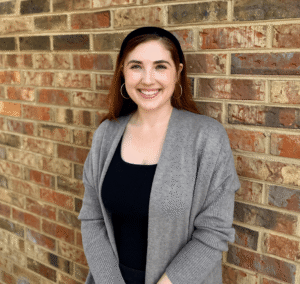
Medically Reviewed by
Jenna Markle, LPC
Last updated: May 12, 2026
Jenna Markle is a Licensed Professional Counselor (LPC) and serves as our Clinical Director. A proud graduate of the University of Georgia, Jenna brings a strong understanding of the local community and a genuine passion for supporting individuals in their mental health and recovery journeys.
Get Help Now
Begin Treatment in Atlanta Today
Mental health disorders and addiction cannot be treated by treating the symptoms alone. We use holistic and evidence-based methods to treat the entire individual.
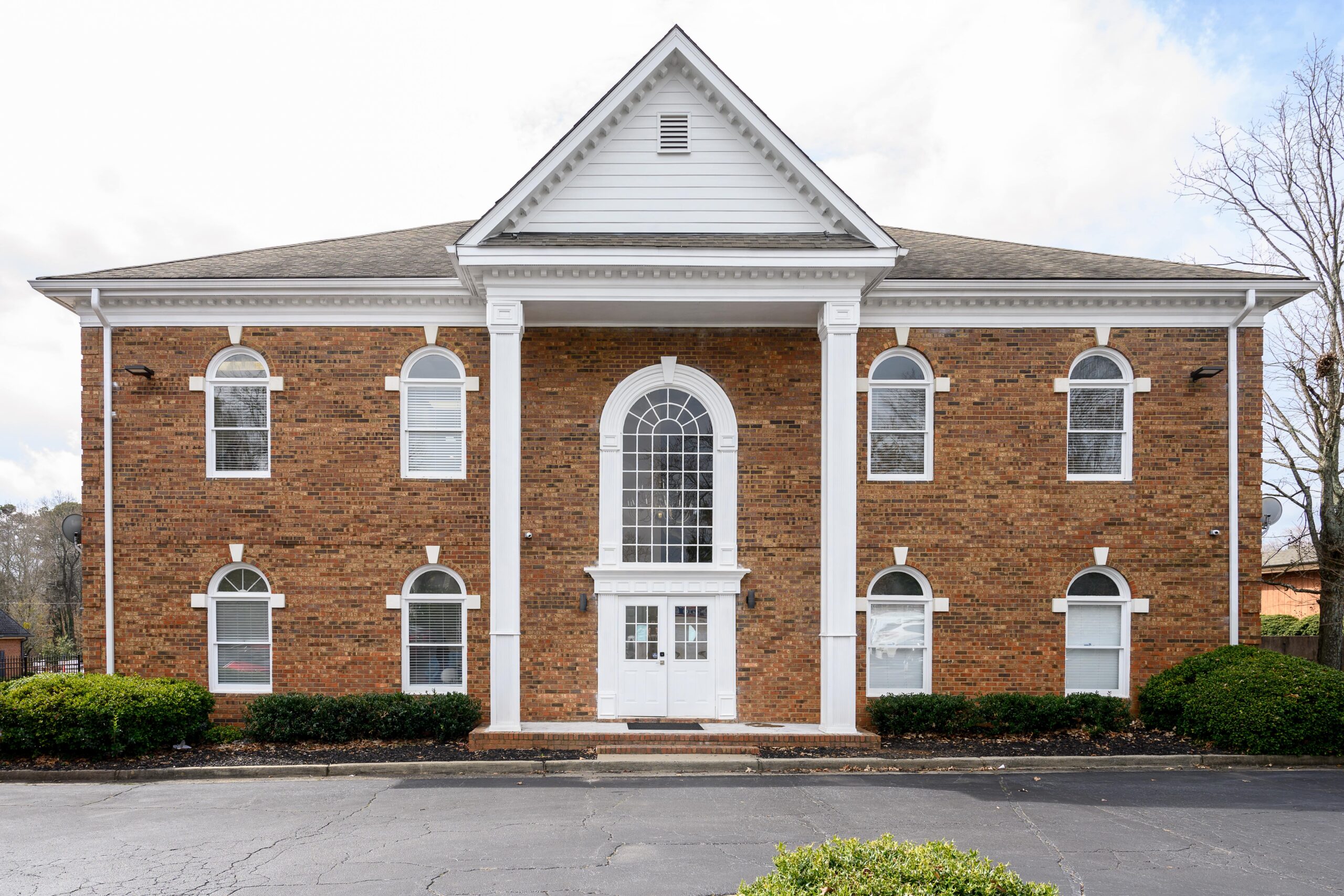
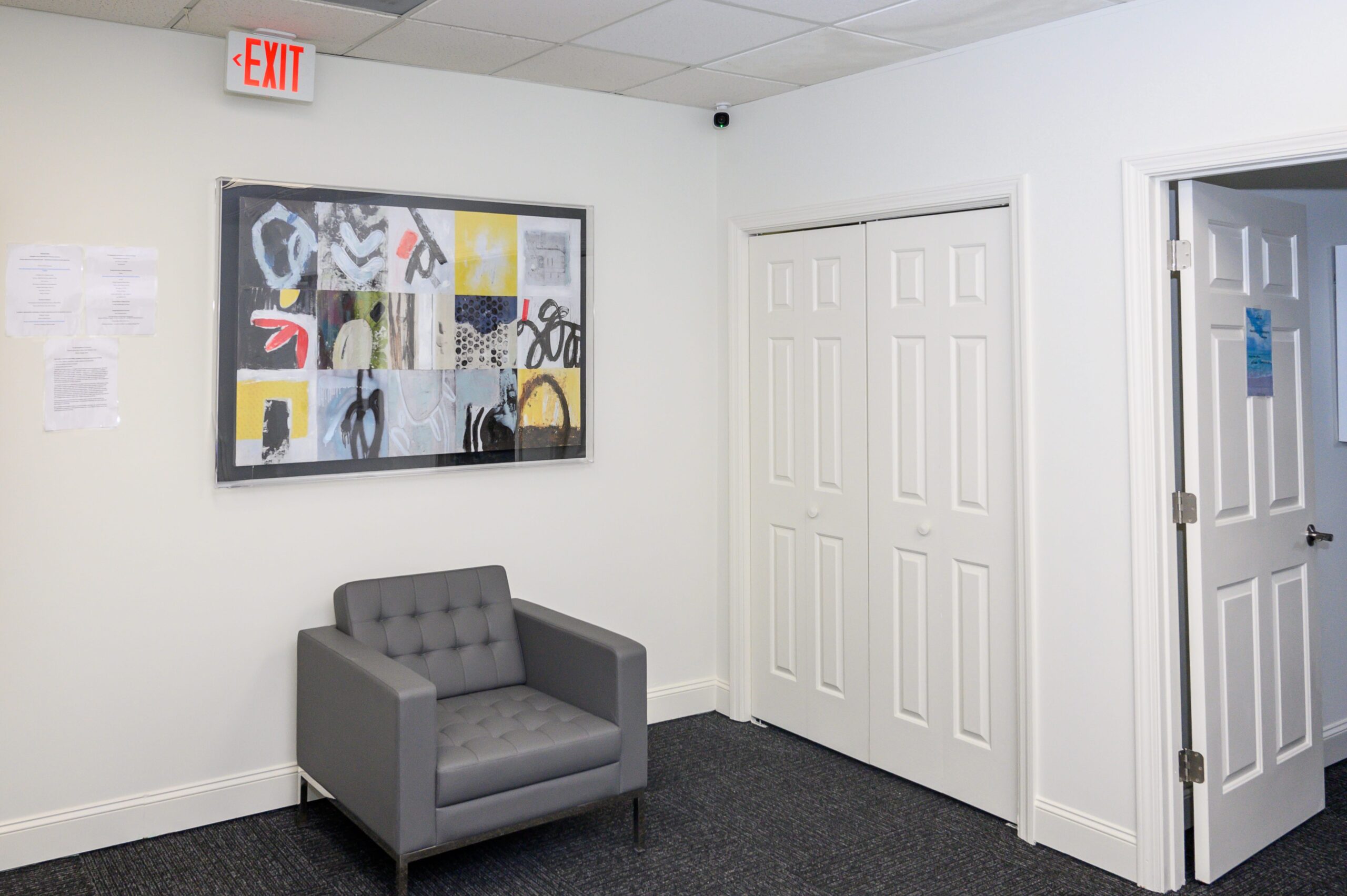
Facility Image Gallery







Fluoxetine at North Atlanta Behavioral Health
At North Atlanta Behavioral Health, psychiatric medication is one part of a whole-person approach.
When fluoxetine is appropriate, we prescribe it carefully, alongside a treatment plan built around your specific needs. We believe the most effective care addresses both brain chemistry and lived experience. Call us today to begin.
Frequently Asked Questions About Prozac
What is Prozac used to treat?
Prozac is FDA-approved for Major Depressive Disorder, OCD, Panic Disorder, Bulimia Nervosa, and Bipolar Depression in combination therapy. It is also widely prescribed off-label for generalized anxiety disorder, PTSD, social anxiety disorder, and PMDD. Prozac for depression and Prozac for anxiety are among its most common clinical applications.
How is Prozac different from other antidepressants?
Prozac belongs to the SSRI class, which means it works by increasing serotonin availability in the brain. What sets fluoxetine apart from most other SSRIs is its exceptionally long half-life. It stays active in the body for weeks after the last dose. This makes it more forgiving of missed doses and significantly reduces the risk of discontinuation syndrome — a common challenge with shorter-acting antidepressants.
How long does Prozac take to start working?
Early changes in sleep, energy, and appetite are often noticeable within one to two weeks. Meaningful improvement in mood and anxiety typically becomes noticeable between four and six weeks. Full therapeutic benefit can take eight to twelve weeks or longer. Consistent daily use and close communication with your prescriber during this period are both important.
What are common side effects of Prozac?
Common fluoxetine side effects include nausea, headache, insomnia, fatigue, dry mouth, decreased appetite, and changes in sexual function. Most side effects are most pronounced in the first few weeks and ease as the body adjusts. Taking fluoxetine in the morning and with food can improve tolerability.
Is Prozac safe to take long-term?
Fluoxetine has been in widespread clinical use since 1987, giving it one of the longest safety records of any antidepressant. Many people take it for years with close medical supervision and good outcomes. Long-term use decisions should always be made in partnership with your prescriber, with regular monitoring and periodic reassessment of whether the medication continues to serve your goals.
What happens if Prozac stops working?
Some people experience a return of symptoms after an initial period of improvement — a phenomenon sometimes called antidepressant taper or poop-out. If this happens, your prescriber may adjust your dose, add a complementary therapy, or consider a different medication. It is also worth evaluating whether a higher level of structured care — such as our PHP or IOP programs — would provide the additional support your recovery needs.
How does Prozac compare to Zoloft?
Both are SSRIs with strong evidence bases and similar mechanisms of action. Prozac has a longer half-life, making it more forgiving of missed doses and less likely to cause discontinuation symptoms. Zoloft carries additional FDA approvals for PTSD, social anxiety, and PMDD. Both are effective — the best choice depends on your diagnosis, history, and individual response. Your prescriber is the right person to guide that decision. See our full Prozac vs. Zoloft comparison above, or visit our Zoloft page to learn more.
Medically Reviewed by
Jenna Markle, LPC
Last updated: May 12, 2026
Jenna Markle is a Licensed Professional Counselor (LPC) and serves as our Clinical Director. A proud graduate of the University of Georgia, Jenna brings a strong understanding of the local community and a genuine passion for supporting individuals in their mental health and recovery journeys.
Get Help Now
Begin Treatment in Atlanta Today
Mental health disorders and addiction cannot be treated by treating the symptoms alone. We use holistic and evidence-based methods to treat the entire individual.
Facility Image Gallery

Treatment Philosophy
North Atlanta Behavioral Health is dedicated to the health and happiness of our clients. We offer personalized treatment plans that put each individual’s needs first.

Meet Our Team
Our multidisciplinary team wants nothing more than for our clients to achieve a lifetime of recovery and sobriety. Let us help you get the most out of treatment.
TESTIMONIALS
Success Stories & Testimonials
 I have been to my fair share of mental health programs and this one was extremely small, intimate and every staff member I have ever had contact with has been completely professional, compassionate, and caring.
Marysa Trayer
I’ve had the pleasure of working with their staff. They provide incredible care in a safe and open space. I would recommend this facility to my own family member, which says a lot.
Annemarie Rich
They have the best care with such an amazing staff. There is such a great community there too that offers so much support in helping each other on their recovery. Wonderful experience and highly recommended!!
Colin Hayward
The most incredible treatment facility! Cutting edge treatment and staff that feels like family. Truly a place where they care about helping people.
Josh Mitarnowski
Everything about this facility is 5 star. The staff, the atmosphere. From start to finish they treat you like a real human, and their chief concern is your emotional wellbeing. I couldn’t recommend them enough. Life changing experience 😭
StoryHeights Next Gen