
Fear of withdrawal keeps more people trapped in opioid addiction than almost anything else.
Knowing the opioid withdrawal timeline, what happens and when, takes some of that fear’s power away and helps you plan a safe way through. North Atlanta Behavioral Health connects you to safe, medically supervised withdrawal through our trusted detox partners, then provides medication-assisted treatment and ongoing care at our Roswell facility.
Call us at 770-230-5699 or verify your insurance to get started.
What Is Opioid Withdrawal?
Opioid withdrawal is the body’s response to the absence of opioids after regular use has created physical dependence. Opioids like heroin, fentanyl, and prescription painkillers bind to receptors throughout the brain and body, and with steady exposure, the nervous system adapts until it needs opioids just to feel normal.
When opioids stop, that adapted system rebounds hard. The result is a withdrawal syndrome that is intensely uncomfortable, though rarely life-threatening on its own, and it’s the single biggest obstacle between most people and recovery. SAMHSA’s most recent national survey counted 4.8 million Americans with an opioid use disorder, and every one of them faces this same wall. Medical support gets you over it.
Opioid Withdrawal Symptoms
Opioid withdrawal is often described as the worst flu of your life, layered with anxiety and cravings. Severity depends on the opioid used, the amount, and how long dependence has been building.
Common opioid withdrawal symptoms include:
- Muscle Aches and Bone Pain
- Anxiety and Agitation
- Sweating and Chills
- Runny Nose and Watery Eyes
- Nausea, Vomiting, and Diarrhea
- Insomnia
- Rapid Heartbeat and Elevated Blood Pressure
- Intense Cravings
Medication-Assisted Treatment (MAT)
Medication-assisted treatment (MAT) combines FDA-approved medications with behavioral therapy to treat opioid and alcohol use disorders. Withdrawal symptoms from these substances can be dangerous and lead to relapse, medical complications, and, in some cases, death. Medications used in MAT programs, like Vivitrol and Naltrexone, help to reduce the risk of relapse during early recovery.
At North Atlanta Behavioral Health, we offer MAT as part of a comprehensive treatment plan for alcohol and opioid addictions. Learn more about our medication-assisted treatment in Atlanta today.
MAT Program >>
Opioid Withdrawal Timeline
8 to 24 hours after the last use. Withdrawal from short-acting opioids like heroin and oxycodone begins within 8 to 12 hours, starting with anxiety, restlessness, muscle aches, and watery eyes. Longer-acting opioids, and fentanyl after heavy use, can delay onset by a day or more.
Days 1 to 3. Symptoms build to their peak, usually between 48 and 72 hours. This is when the muscle pain, digestive symptoms, sweating, and cravings hit hardest, and it’s the stretch where unsupported quit attempts most often collapse. Medication support during this window changes everything.
Days 4 to 7. The worst physical symptoms begin to break. Aches fade, the stomach settles, and appetite starts returning, though sleep often stays rough and energy runs low.
Week 2 and beyond. Physical withdrawal winds down for most people within 5 to 10 days. What can linger is a longer tail of low mood, fatigue, disrupted sleep, and periodic cravings as the brain rebuilds its own chemistry. Structured treatment through this phase is what protects early recovery, because relapse risk climbs just as tolerance has dropped, a combination that makes overdose after withdrawal a serious danger.
Medication-Assisted Treatment for Opioid Withdrawal
Medication transforms the opioid withdrawal experience. During acute detox, our partner facilities use medications like buprenorphine that relieve withdrawal symptoms and calm cravings, turning an unbearable week into a manageable one under full medical supervision.
Once opioids are out of your system, medication-assisted treatment at North Atlanta Behavioral Health protects everything you just fought for. We offer naltrexone and monthly Vivitrol injections, which block opioid effects and reduce cravings, directly lowering both relapse and overdose risk.
National data shows the power of this approach, with the CDC reporting a 26.2% drop in overdose death rates between 2023 and 2024, driven in part by expanded access to medications for opioid use disorder.
What Happens After Withdrawal: Treatment at NABH
Withdrawal breaks the physical dependence. Treatment helps you rebuild your life. After detox with our partners, clients move directly into care at our Roswell facility. You’ll enter at the level that fits, whether that’s our Partial Hospitalization Program, Intensive Outpatient Program, or outpatient treatment, with sober living available for added structure.
Our trauma-informed team pairs individual therapy, group sessions, psychiatry, and family therapy with MAT, and our dual diagnosis program treats the pain, trauma, or mental health conditions that opioid use was quieting. The goal is a recovery that holds long after the withdrawal timeline ends.
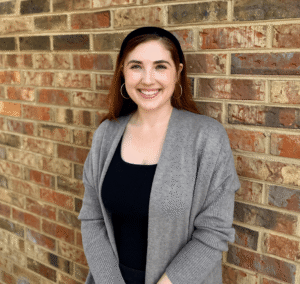
Medically Reviewed by
Jenna Markle, LPC
Last updated: May 12, 2026
Jenna Markle is a Licensed Professional Counselor (LPC) and serves as our Clinical Director. A proud graduate of the University of Georgia, Jenna brings a strong understanding of the local community and a genuine passion for supporting individuals in their mental health and recovery journeys.
Get Help Now
Begin Treatment in Atlanta Today
Mental health disorders and addiction cannot be treated by treating the symptoms alone. We use holistic and evidence-based methods to treat the entire individual.
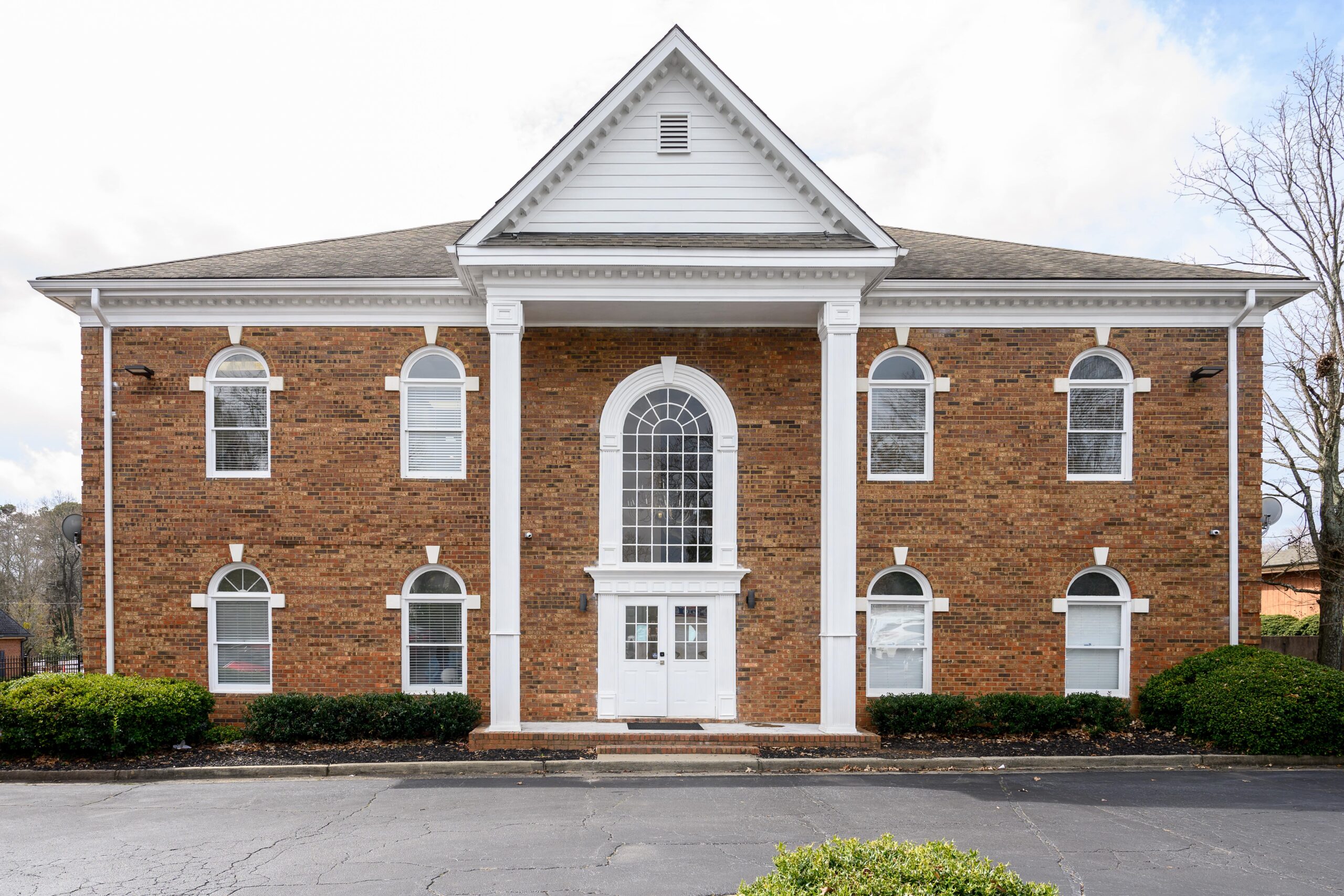
Facility Image Gallery





Get Through Opioid Withdrawal Safely
Withdrawal is temporary, and with the right support it’s far more bearable than the fear of it suggests. One call connects you to medically supervised detox through our trusted partners, MAT to protect your recovery, and a full treatment team for everything that comes next.
Call North Atlanta Behavioral Health at 770-230-5699 to take the first step.

Treatment Philosophy
North Atlanta Behavioral Health is dedicated to the health and happiness of our clients. We offer personalized treatment plans that put each individual’s needs first.

Meet Our Team
Our multidisciplinary team wants nothing more than for our clients to achieve a lifetime of recovery and sobriety. Let us help you get the most out of treatment.
TESTIMONIALS
Success Stories & Testimonials
 I have been to my fair share of mental health programs and this one was extremely small, intimate and every staff member I have ever had contact with has been completely professional, compassionate, and caring.
Marysa Trayer
I’ve had the pleasure of working with their staff. They provide incredible care in a safe and open space. I would recommend this facility to my own family member, which says a lot.
Annemarie Rich
They have the best care with such an amazing staff. There is such a great community there too that offers so much support in helping each other on their recovery. Wonderful experience and highly recommended!!
Colin Hayward
The most incredible treatment facility! Cutting edge treatment and staff that feels like family. Truly a place where they care about helping people.
Josh Mitarnowski
Everything about this facility is 5 star. The staff, the atmosphere. From start to finish they treat you like a real human, and their chief concern is your emotional wellbeing. I couldn’t recommend them enough. Life changing experience 😭
StoryHeights Next Gen