
If you’re thinking about quitting drinking, understanding the alcohol withdrawal timeline could protect your health and possibly your life.
Alcohol withdrawal follows a predictable arc, and knowing when symptoms start, when they peak, and when danger is highest helps you plan a safe path through it. North Atlanta Behavioral Health connects you to safe, medically supervised withdrawal through our trusted detox partners, then provides the ongoing treatment that turns detox into lasting recovery.
Call us at 770-230-5699 or verify your insurance to get started.
What Is Alcohol Withdrawal?
Alcohol withdrawal is the body’s reaction to the sudden absence of alcohol after a period of heavy, regular drinking. Alcohol suppresses the nervous system, and with sustained use, the brain compensates by running in a state of heightened excitation to maintain balance.
When drinking stops abruptly, that compensation has nowhere to go. The nervous system fires unopposed, producing symptoms that range from uncomfortable to genuinely life-threatening. Alcohol withdrawal syndrome can range in severity from mild to fatal, which is what separates alcohol from most other substances and why medical evaluation matters before you quit.
Alcohol Withdrawal Symptoms
Withdrawal symptoms vary with how much and how long someone has been drinking, along with their overall health and withdrawal history.
Common alcohol withdrawal symptoms include:
- Anxiety and Restlessness: An agitated, on-edge feeling that often arrives first.
- Tremors: Shaking hands are one of the earliest and most recognizable signs.
- Sweating and Rapid Heartbeat: The overactive nervous system pushing the body into overdrive.
- Nausea and Vomiting: Digestive distress that can lead to dehydration.
- Insomnia: Difficulty sleeping even through exhaustion.
- Headache: Often paired with sensitivity to light and sound.
- Hallucinations: Seeing or hearing things that aren’t there, which can begin within the first day.
- Seizures: A medical emergency that typically occurs within the first 48 hours.
- Delirium Tremens: The most severe form of withdrawal, involving profound confusion, fever, and dangerous changes in heart rate and blood pressure.
Medication-Assisted Treatment (MAT)
Medication-assisted treatment (MAT) combines FDA-approved medications with behavioral therapy to treat opioid and alcohol use disorders. Withdrawal symptoms from these substances can be dangerous and lead to relapse, medical complications, and, in some cases, death. Medications used in MAT programs, like Vivitrol and Naltrexone, help to reduce the risk of relapse during early recovery.
At North Atlanta Behavioral Health, we offer MAT as part of a comprehensive treatment plan for alcohol and opioid addictions. Learn more about our medication-assisted treatment in Atlanta today.
MAT Program >>
Alcohol Withdrawal Timeline
6 to 12 hours after the last drink. Early symptoms begin, including anxiety, shaky hands, sweating, nausea, headache, and trouble sleeping. Many people have felt this stage before without recognizing it as withdrawal, since a morning drink makes it disappear.
12 to 24 hours. Symptoms intensify, and some people experience alcohol hallucinosis, seeing or hearing things that aren’t real while still knowing they aren’t. Heart rate and blood pressure climb.
24 to 48 hours. This is the peak seizure window. Withdrawal seizures can strike without warning, even in people who feel like they’re getting through the worst of it, and they’re a primary reason unsupervised detox is so dangerous.
48 to 72 hours. The highest-risk period for delirium tremens, which can develop at any point up to three to five days after stopping. DTs bring severe confusion, agitation, vivid hallucinations, fever, and unstable vital signs, and they demand emergency medical care.
Days 5 to 7 and beyond. For most people, acute symptoms fade significantly by the end of the first week. Sleep problems, irritability, low mood, and cravings can linger for weeks as the brain rebalances, which is exactly the window where structured treatment protects your progress.
You Shouldn’t Detox From Alcohol Alone
Alcohol is one of the few substances whose withdrawal can kill.
Seizures arrive without warning, and when withdrawal progresses to delirium tremens, mortality rates run about 1 to 4% even with emergency care. There’s no reliable way to predict who will have a severe withdrawal, though heavy long-term drinking and any history of prior withdrawal seizures raise the risk sharply.
In a supervised setting, clinicians monitor your vitals around the clock and use medications that prevent seizures and keep you safe and comfortable. That’s why our first step at North Atlanta Behavioral Health is connecting you with one of our trusted detox partners, where withdrawal happens under full medical supervision.
We coordinate the handoff in both directions, so the path from your first call through detox and into treatment stays seamless.
What Happens After Alcohol Withdrawal: Treatment at NABH
Detox clears alcohol from your body, and it doesn’t touch the reasons drinking took hold. That’s the work we do. After withdrawal, clients transition directly into our alcohol addiction treatment at whatever level of care fits, from our Partial Hospitalization Program through IOP and outpatient treatment, with sober living available for added structure.
Treatment is trauma-informed and built around you, combining individual therapy, group work, psychiatry, and family therapy. For many clients, medication-assisted treatment with naltrexone or Vivitrol reduces cravings and protects early recovery, and our dual diagnosis program treats the depression, anxiety, or trauma that so often drives drinking in the first place.
FAQ
How Long Does Alcohol Withdrawal Last?
Acute alcohol withdrawal typically lasts five to seven days, with symptoms starting within 6 to 12 hours of the last drink and peaking between 24 and 72 hours. Milder symptoms like poor sleep, irritability, and cravings can continue for several weeks as the brain recovers.
Is Alcohol Withdrawal Dangerous?
Yes, it can be. Alcohol withdrawal can cause seizures and delirium tremens, both of which are medical emergencies. Severity is hard to predict in advance, which is why anyone with significant alcohol dependence should be medically evaluated before quitting and should withdraw under supervision.
What Are Delirium Tremens?
Delirium tremens, or DTs, are the most severe form of alcohol withdrawal, marked by profound confusion, agitation, hallucinations, fever, and dangerous swings in heart rate and blood pressure. They typically develop two to three days after the last drink and require emergency medical treatment. With proper care, the large majority of people recover fully.
Can I Detox From Alcohol at Home?
For anyone with significant alcohol dependence, detoxing at home without medical support is a serious risk because seizures and DTs can develop suddenly and without warning. Medically supervised detox keeps you safe and far more comfortable. Call us and we’ll connect you with a trusted detox partner, then bring you into treatment the moment you’re ready.
Does Insurance Cover Alcohol Detox and Treatment?
In most cases, yes. Addiction treatment is an essential health benefit under the Affordable Care Act, and we’re in-network with major carriers including Aetna, Blue Cross Blue Shield, Cigna, TRICARE, and United Healthcare. Our admissions team verifies your coverage for both detox and ongoing treatment at no cost.
What Happens After Alcohol Withdrawal?
After detox, structured treatment is what makes sobriety last. At North Atlanta Behavioral Health, clients step from our detox partners directly into PHP, IOP, or outpatient care, where therapy, psychiatry, and medication-assisted treatment address the roots of drinking and build the skills for long-term recovery.

Medically Reviewed by
Jenna Markle, LPC
Last updated: May 12, 2026
Jenna Markle is a Licensed Professional Counselor (LPC) and serves as our Clinical Director. A proud graduate of the University of Georgia, Jenna brings a strong understanding of the local community and a genuine passion for supporting individuals in their mental health and recovery journeys.
Get Help Now
Begin Treatment in Atlanta Today
Mental health disorders and addiction cannot be treated by treating the symptoms alone. We use holistic and evidence-based methods to treat the entire individual.
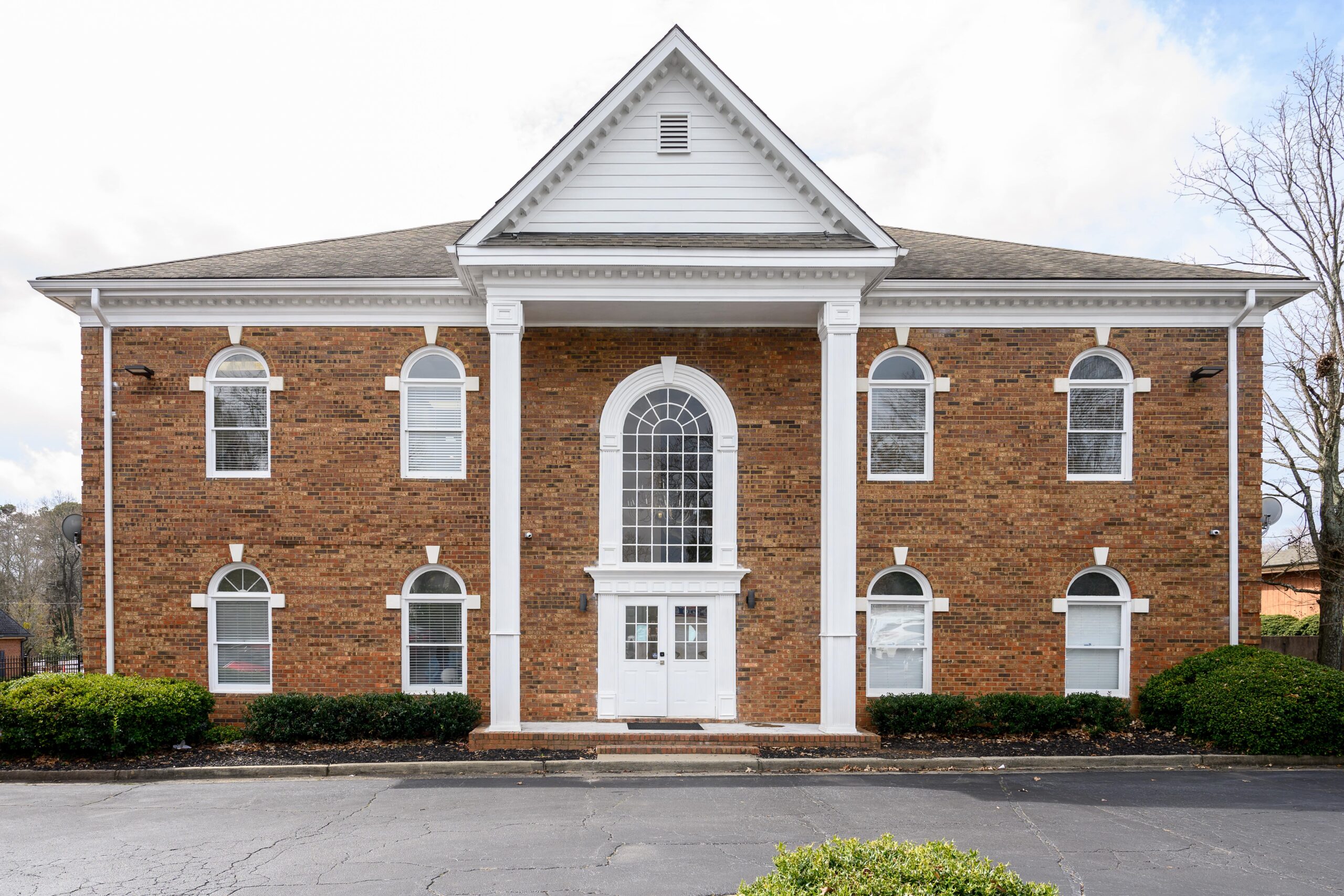
Facility Image Gallery








Get Through Withdrawal Safely and Start Recovery
The first week without alcohol is the hardest and the most dangerous, and no one should face it unsupported. One call connects you to safe, medical detox and a full treatment plan for everything that comes after.
Call North Atlanta Behavioral Health 24/7 at 770-230-5699 to take the first step.

Treatment Philosophy
North Atlanta Behavioral Health is dedicated to the health and happiness of our clients. We offer personalized treatment plans that put each individual’s needs first.

Meet Our Team
Our multidisciplinary team wants nothing more than for our clients to achieve a lifetime of recovery and sobriety. Let us help you get the most out of treatment.
TESTIMONIALS
Success Stories & Testimonials
 I have been to my fair share of mental health programs and this one was extremely small, intimate and every staff member I have ever had contact with has been completely professional, compassionate, and caring.
Marysa Trayer
I’ve had the pleasure of working with their staff. They provide incredible care in a safe and open space. I would recommend this facility to my own family member, which says a lot.
Annemarie Rich
They have the best care with such an amazing staff. There is such a great community there too that offers so much support in helping each other on their recovery. Wonderful experience and highly recommended!!
Colin Hayward
The most incredible treatment facility! Cutting edge treatment and staff that feels like family. Truly a place where they care about helping people.
Josh Mitarnowski
Everything about this facility is 5 star. The staff, the atmosphere. From start to finish they treat you like a real human, and their chief concern is your emotional wellbeing. I couldn’t recommend them enough. Life changing experience 😭
StoryHeights Next Gen