
What Is Trazodone Used For?
The FDA has approved trazodone to treat major depressive disorder. It is a serotonin modulator, which means it changes how serotonin functions in the brain. Providers may prescribe it by itself or as part of a broader depression treatment plan.
Trazodone is also used off-label for insomnia and sometimes anxiety. “Off-label” means the FDA has not approved the medication for that specific purpose. It does not mean the prescription is automatically unsafe or inappropriate. A provider should consider your symptoms and other medications before prescribing it.
How Does Trazodone Work for Sleep?
Trazodone affects serotonin receptors and blocks certain receptors associated with wakefulness. These actions can produce a sedating effect. A provider may prescribe it when insomnia occurs alongside depression or when another sleep medication is not appropriate.
Trazodone can help some people fall asleep or remain asleep longer, but it is not FDA-approved for insomnia. Evidence for treating chronic insomnia with trazodone remains limited. Your provider can help determine whether its potential benefits outweigh the risks in your situation.
How Long Does Trazodone Take to Work?
How long trazodone takes to work depends on why you take it. Its sedating effects may occur after the first dose. According to DailyMed prescribing information, blood levels generally peak about one hour after a dose taken without food or two hours after a dose taken with food.
The antidepressant effect takes longer. MedlinePlus notes that it may take two weeks or longer to experience the full benefit. Do not increase your dose because the medication does not seem to work immediately.
Trazodone Side Effects
Trazodone can cause side effects even when taken as directed. Drowsiness may be expected when it is prescribed for sleep, but it can still affect driving or work the following morning.
Possible trazodone side effects include:
- Drowsiness: You may feel sleepy or less alert.
- Dizziness: Lightheadedness may occur, especially when standing up quickly.
- Headache: Some people experience headaches after starting treatment.
- Digestive changes: Nausea or diarrhea may occur.
- Changes in appetite or weight: Eating patterns or body weight may change.
- Sexual side effects: Trazodone may affect sexual interest or functioning.
Serious reactions require prompt medical care. These include fainting or an irregular heartbeat. Serotonin syndrome may cause fever, agitation, or severe muscle stiffness.
Trazodone Dosage: What to Expect
There is no single trazodone dosage that is right for everyone. The FDA-approved dosage instructions apply to depression, while prescribing for sleep is off-label. Providers often use different dosing approaches depending on the treatment goal.
Your prescriber may begin with a low dose and adjust it gradually. Follow the directions on your prescription exactly. Do not take an additional tablet after a difficult night or change the timing without speaking with your provider.
Can You Drink Alcohol on Trazodone?
Alcohol can increase drowsiness and impaired judgment caused by trazodone. Combining the two may also worsen dizziness, making falls or accidents more likely. The effects can be unpredictable even if you have previously used both without a problem.
The safest approach is to avoid alcohol unless your prescriber has specifically discussed its use with you. If you drink regularly, be honest about how much. A person who may be physically dependent on alcohol should not stop suddenly without medical advice because alcohol withdrawal can be dangerous.
Is Trazodone Addictive?
Trazodone is not a controlled substance, and it does not typically produce the compulsive reward-seeking pattern associated with addictive drugs. This is one reason providers may consider it instead of certain sedative medications.
However, the body can adjust to trazodone. Stopping suddenly may cause uncomfortable symptoms. Taking more than prescribed or feeling unable to sleep without it should be discussed with your provider.
Trazodone vs. Other Sleep Medications
Trazodone differs from benzodiazepines and prescription medications commonly called “Z-drugs.” Those medications work through different brain systems and carry their own risks. Trazodone also differs from melatonin, a hormone involved in regulating the sleep-wake cycle.
No medication is best for every sleep problem. The right option depends on what is causing the insomnia and how long it has lasted. Medical history and other prescriptions also matter. Behavioral treatment may be recommended when unhelpful sleep patterns are maintaining the problem.
Stopping Trazodone
Do not stop taking trazodone suddenly unless a medical professional instructs you to do so. Abrupt discontinuation may cause anxiety or agitation. Some people also experience nausea, headaches, or difficulty sleeping.
A prescriber can create a gradual reduction schedule based on your dosage and length of use. If you have already missed several doses, ask for instructions rather than restarting or doubling the medication on your own.
Getting Help With Sleep & Depression in Atlanta
Medication can be helpful, but it may not address every factor contributing to insomnia or depression. Therapy can explore stress and thought patterns that interfere with rest. It can also help clients develop more sustainable ways of responding to difficult emotions.
North Atlanta Behavioral Health provides depression treatment in Atlanta through multiple levels of outpatient care. Depending on your needs, treatment may include our partial hospitalization program or intensive outpatient care.
Frequently Asked Questions
Can You Take Trazodone Every Night?
Some people take trazodone nightly under a provider’s supervision. Whether nightly use is appropriate depends on your diagnosis and response to treatment. Your provider should periodically review whether the medication remains helpful.
Do not take trazodone more often than prescribed. Tell your provider if its effects change or you experience persistent morning drowsiness.
Does Trazodone Cause Weight Gain?
Weight changes are possible, but not everyone who takes trazodone gains weight. Depression itself can also affect appetite and activity levels.
Talk with your provider if you notice a significant weight change. They can assess whether trazodone or another factor may be contributing.
How Long Does Trazodone Stay in Your System?
Trazodone’s noticeable sedating effects usually wear off before every trace of the medication leaves the body. Clearance varies based on dosage and metabolism. Liver function and other medications may also influence the process.
There is no universal timeline that applies to every person or every drug test. Ask a pharmacist or prescriber if you need guidance related to a procedure, medication interaction, or missed dose.
Can Trazodone Be Taken With Other Antidepressants?
Providers sometimes prescribe trazodone with another antidepressant. However, combining medications that affect serotonin can increase the risk of serotonin syndrome. Some combinations may also increase sedation or affect heart rhythm.
Give your prescriber a complete list of your medications and supplements. Do not combine trazodone with another antidepressant unless the clinicians managing your care know about both prescriptions.
What Happens if You Take Too Much Trazodone?
A trazodone overdose can cause severe drowsiness or vomiting. It may also lead to seizures, breathing problems, or dangerous changes in heart rhythm.
Call Poison Help at 1-800-222-1222 immediately if someone may have taken too much trazodone. Call 911 if the person collapses, has trouble breathing, experiences a seizure, or cannot be awakened.
Is Trazodone Better Than Melatonin?
Neither option is universally better. Trazodone is a prescription antidepressant with sedating effects. Melatonin is available without a prescription and works differently.
The best choice depends on the cause of the sleep problem and your health history. Ask a medical provider before combining them or using either one long-term.
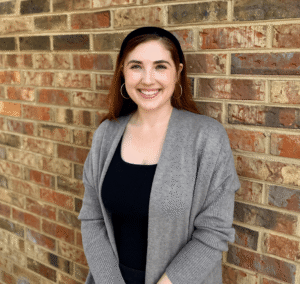
Medically Reviewed by
Jenna Markle, LPC
Last updated: May 12, 2026
Jenna Markle is a Licensed Professional Counselor (LPC) and serves as our Clinical Director. A proud graduate of the University of Georgia, Jenna brings a strong understanding of the local community and a genuine passion for supporting individuals in their mental health and recovery journeys.
Get Help Now
Begin Treatment in Atlanta Today
Mental health disorders and addiction cannot be treated by treating the symptoms alone. We use holistic and evidence-based methods to treat the entire individual.
Facility Image Gallery
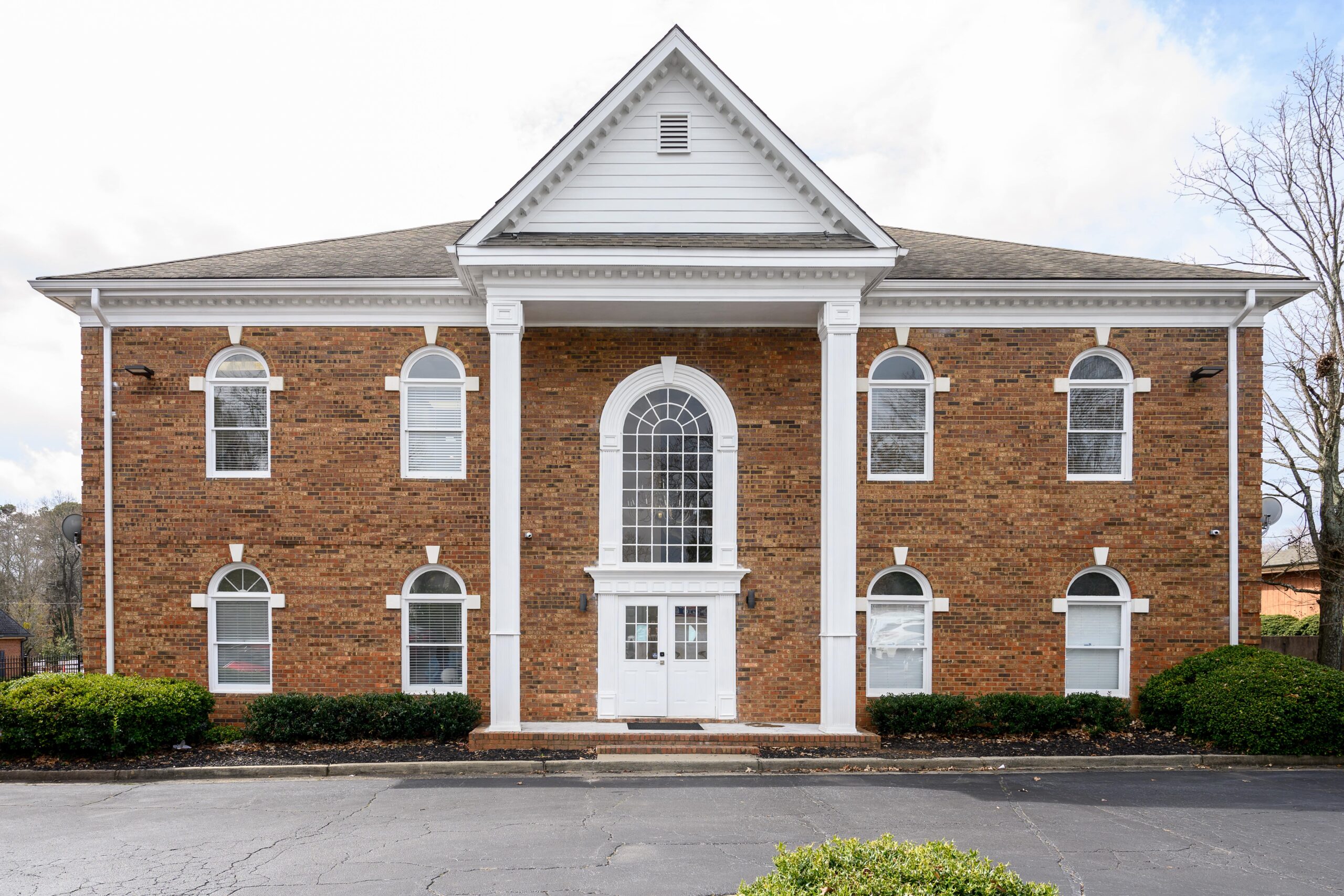
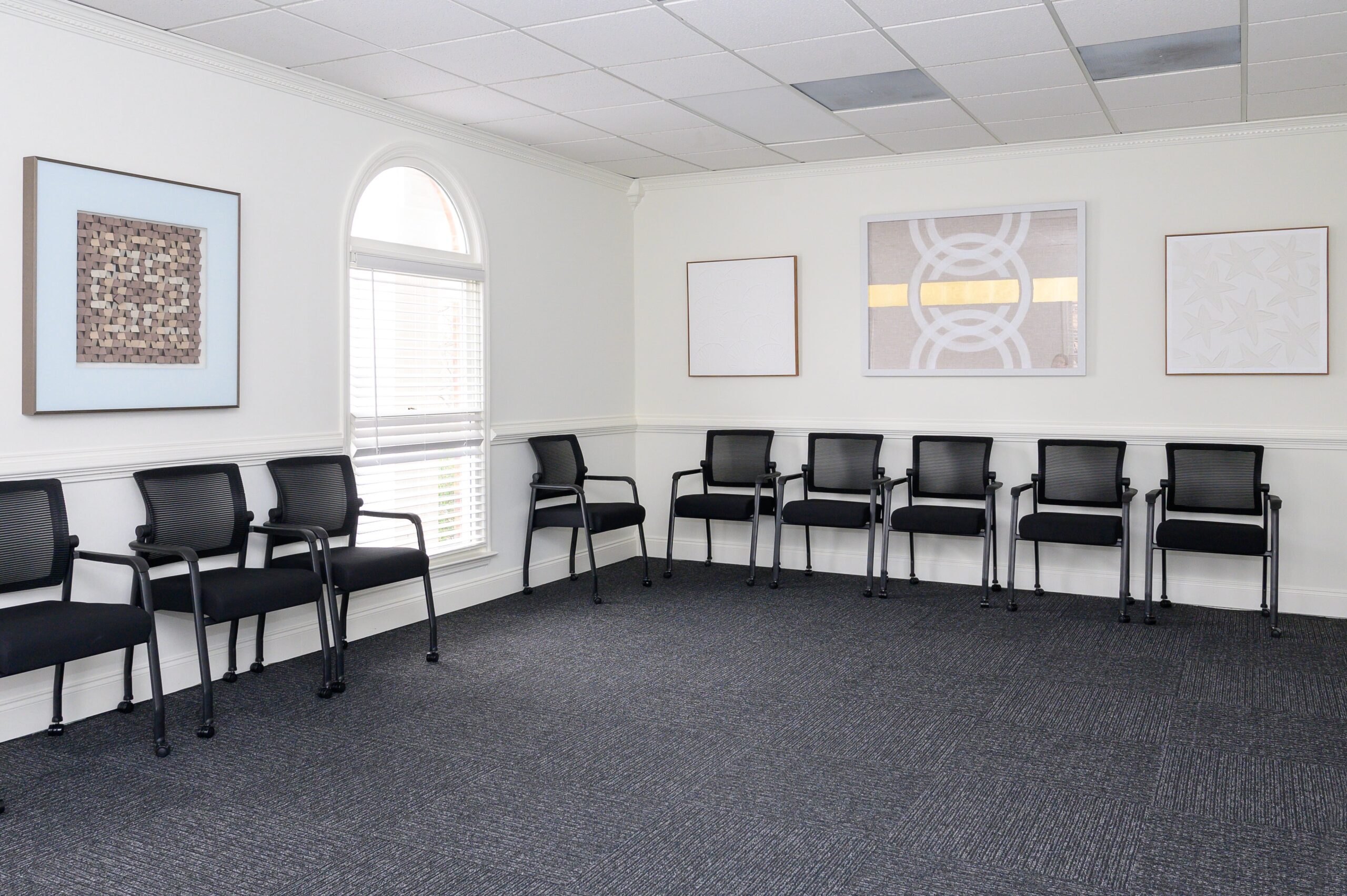
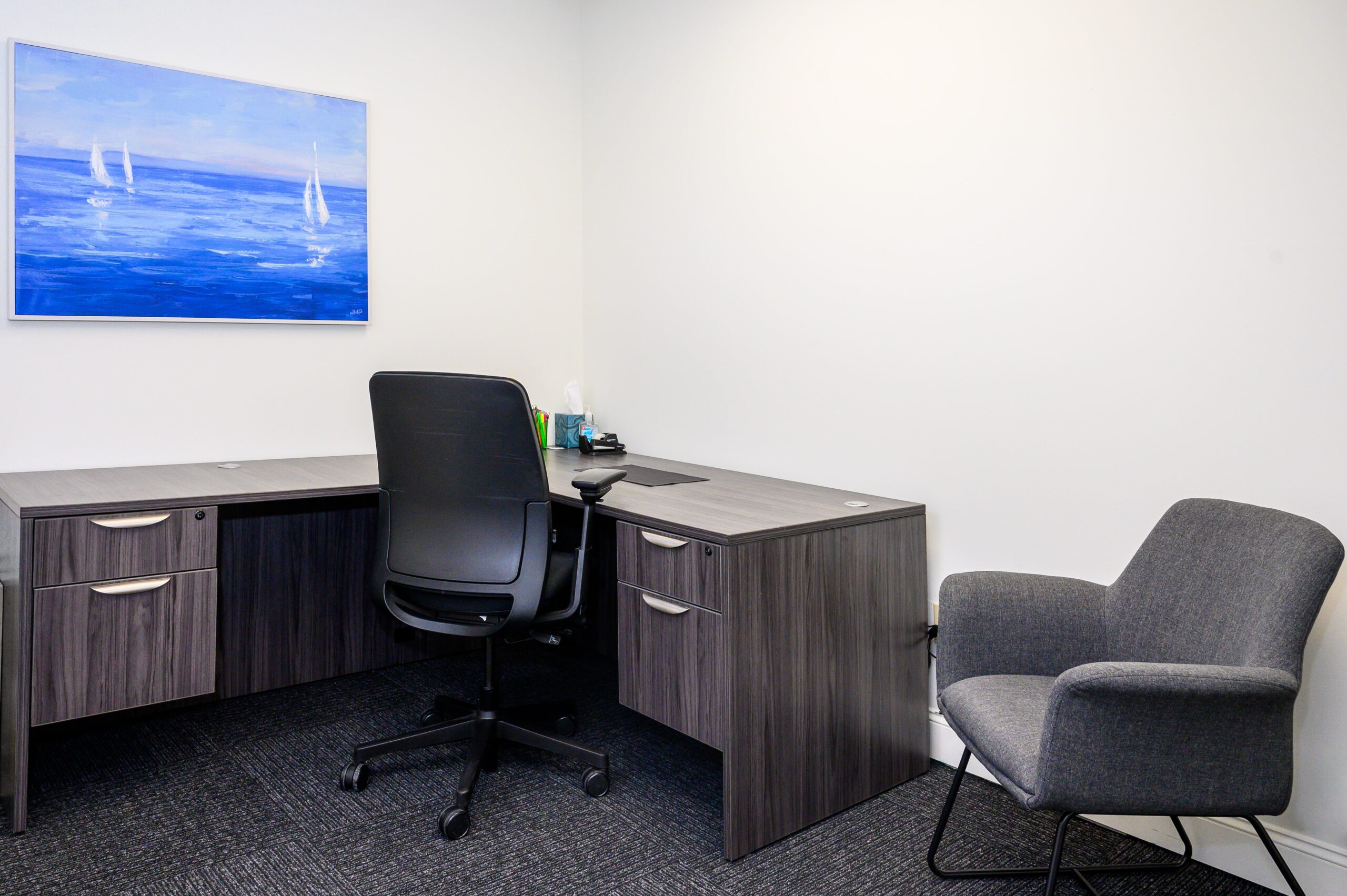
Begin Mental Health Treatment in Atlanta
If poor sleep continues despite medication, the underlying mental health concern may need more attention. North Atlanta Behavioral Health offers structured outpatient care for adults experiencing depression or anxiety.
Call 770-230-5699 to speak with our admissions team about your symptoms and treatment options. To take the next step toward care, verify your insurance benefits today.

Treatment Philosophy
North Atlanta Behavioral Health is dedicated to the health and happiness of our clients. We offer personalized treatment plans that put each individual’s needs first.

Meet Our Team
Our multidisciplinary team wants nothing more than for our clients to achieve a lifetime of recovery and sobriety. Let us help you get the most out of treatment.
TESTIMONIALS
Success Stories & Testimonials
 I have been to my fair share of mental health programs and this one was extremely small, intimate and every staff member I have ever had contact with has been completely professional, compassionate, and caring.
Marysa Trayer
I’ve had the pleasure of working with their staff. They provide incredible care in a safe and open space. I would recommend this facility to my own family member, which says a lot.
Annemarie Rich
They have the best care with such an amazing staff. There is such a great community there too that offers so much support in helping each other on their recovery. Wonderful experience and highly recommended!!
Colin Hayward
The most incredible treatment facility! Cutting edge treatment and staff that feels like family. Truly a place where they care about helping people.
Josh Mitarnowski
Everything about this facility is 5 star. The staff, the atmosphere. From start to finish they treat you like a real human, and their chief concern is your emotional wellbeing. I couldn’t recommend them enough. Life changing experience 😭
StoryHeights Next Gen