
At North Atlanta Behavioral Health, we offer panic disorder treatment in Atlanta through outpatient programs at our Roswell facility. Our team helps you understand your symptoms and work toward feeling more comfortable in your day-to-day life.
Call 770-230-5699 to discuss treatment options in Atlanta for anxiety disorders of all kinds.
What Is Panic Disorder?
Panic disorder involves repeated, unexpected panic attacks and ongoing concern about having another. An attack brings a sudden surge of intense fear or discomfort, sometimes during an otherwise ordinary moment. The physical sensations can feel so alarming that you believe you face an immediate medical emergency.
According to the National Institute of Mental Health, diagnosis includes at least one month of worry about future attacks or changes in behavior because of them. A clinician also considers other possible explanations for your symptoms. A single panic attack can happen without developing into panic disorder.
Recognizing Panic Attack Symptoms
Panic attacks can begin quickly and feel overwhelming. Your symptoms may differ from someone else’s, even when you share the same diagnosis.
Common experiences include:
- Your heart races or pounds, even while you sit still.
- You feel short of breath or experience a choking sensation.
- You develop chest discomfort, nausea, or dizziness.
- Your hands tingle, or parts of your body feel numb.
- You sweat or shake and may feel suddenly hot or cold.
- You feel detached from your surroundings or fear losing control.
These symptoms can overlap with medical conditions. Seek emergency medical care for new or severe chest pain, fainting, or significant trouble breathing, especially when the cause is uncertain.
When Fear Starts Changing Your Routine
Between attacks, you may spend considerable energy trying to prevent the next one. Perhaps you take a longer route to avoid traffic on GA-400 or leave a restaurant because the exit feels too far away. Activities you once enjoyed can begin to require careful planning.
Avoidance can bring immediate relief while making those situations feel harder to approach over time. Some people also develop agoraphobia, which involves fear of situations where escape or help might feel difficult. Treatment can address these patterns and help you gradually return to activities that matter to you.
How We Approach Panic Disorder Treatment
We use cognitive behavioral therapy and exposure therapy in our anxiety programs, with psychiatric services when appropriate. Your treatment plan depends on how panic affects your life and what your assessment shows you need.
Cognitive Behavioral Therapy
Cognitive behavioral therapy, or CBT, helps you examine the connection between physical sensations and your interpretation of them. For example, noticing a faster heartbeat may lead you to expect a catastrophe. That interpretation can intensify fear and make your heartbeat feel even more threatening.
In therapy, you practice evaluating those predictions and responding differently. You may also look at habits such as repeatedly checking your pulse or seeking reassurance. Understanding what keeps the fear going gives you specific patterns to work on between sessions.
Exposure Therapy
Exposure therapy helps you gradually approach experiences you have come to fear. Your therapist works with you to choose appropriate exercises and explain their purpose. Depending on your needs, treatment may address avoided situations or the physical sensations you associate with panic.
For instance, a planned exercise might help you become less afraid of a temporarily elevated heart rate. Your clinician considers your physical health before recommending this work. Repeated practice can help you learn that a familiar sensation can pass without the outcome you fear.
Psychiatric Care and Medication
Medication can help some people manage panic disorder. Selective serotonin reuptake inhibitors, or SSRIs, are antidepressants that clinicians also use to treat panic symptoms. A prescriber reviews your health history and discusses potential benefits alongside side effects before recommending medication.
Our psychiatric services include medication management and follow-up care. Bring questions about previous prescriptions or concerns about starting treatment. Your provider can explain what to expect during the first several weeks and how you will evaluate whether the medication helps.
Choosing the Right Level of Support
The frequency of your attacks tells only part of the story. We also consider whether you can manage daily responsibilities and how much support you need between appointments.
Our outpatient levels of care include:
- Partial Hospitalization Program (PHP): This program provides our most intensive outpatient schedule, with treatment during the day and no overnight stay at the treatment facility.
- Intensive Outpatient Program (IOP): This program offers regular, structured treatment with fewer hours than PHP, allowing more room for responsibilities outside care.
- Outpatient Program (OP): This level provides continued support as clients step down from more intensive programming. We use outpatient care as a step-down rather than a direct admission option.
Starting Care at North Atlanta Behavioral Health
Your first call gives you an opportunity to describe what has been happening and ask practical questions. Our admissions team completes a brief phone assessment to help determine whether our program may fit. We can also verify your insurance and discuss payment options before you make arrangements.
As part of the clinical evaluation, your provider asks about your symptoms and previous treatment. Share any medical evaluations you have already had, along with current medications and substance use. These details help your team understand your experience and recommend appropriate care. You can also explain what you hope treatment will help you do again.
Frequently Asked Questions
Can Panic Attacks Happen During Sleep?
Yes. A panic attack can wake you from sleep with intense fear and physical symptoms. Tell your clinician about nighttime episodes so they can consider panic disorder alongside other possible causes.
How Long Does a Panic Attack Last?
According to the NHS, most panic attacks last between five and 20 minutes, although some last longer. If symptoms are unfamiliar or suggest a medical emergency, seek prompt medical evaluation.
Will I Need Medication for Panic Disorder?
Some people benefit from therapy alone, while others find medication helpful as well. Your clinician can discuss these options with you based on your symptoms and treatment preferences.
Can I Continue Working During Treatment?
That depends on your clinical needs and your work schedule. IOP generally requires fewer treatment hours than PHP, and our admissions team can explain current scheduling options so you can plan.
Does Insurance Cover Panic Disorder Treatment?
Coverage depends on your plan and the recommended level of care. Our admissions team can check your benefits and help you understand expected out-of-pocket costs before treatment begins.
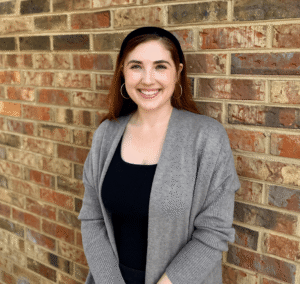
Medically Reviewed by
Jenna Markle, LPC
Last updated: May 12, 2026
Jenna Markle is a Licensed Professional Counselor (LPC) and serves as our Clinical Director. A proud graduate of the University of Georgia, Jenna brings a strong understanding of the local community and a genuine passion for supporting individuals in their mental health and recovery journeys.
Get Help Now
Begin Treatment in Atlanta Today
Mental health disorders and addiction cannot be treated by treating the symptoms alone. We use holistic and evidence-based methods to treat the entire individual.
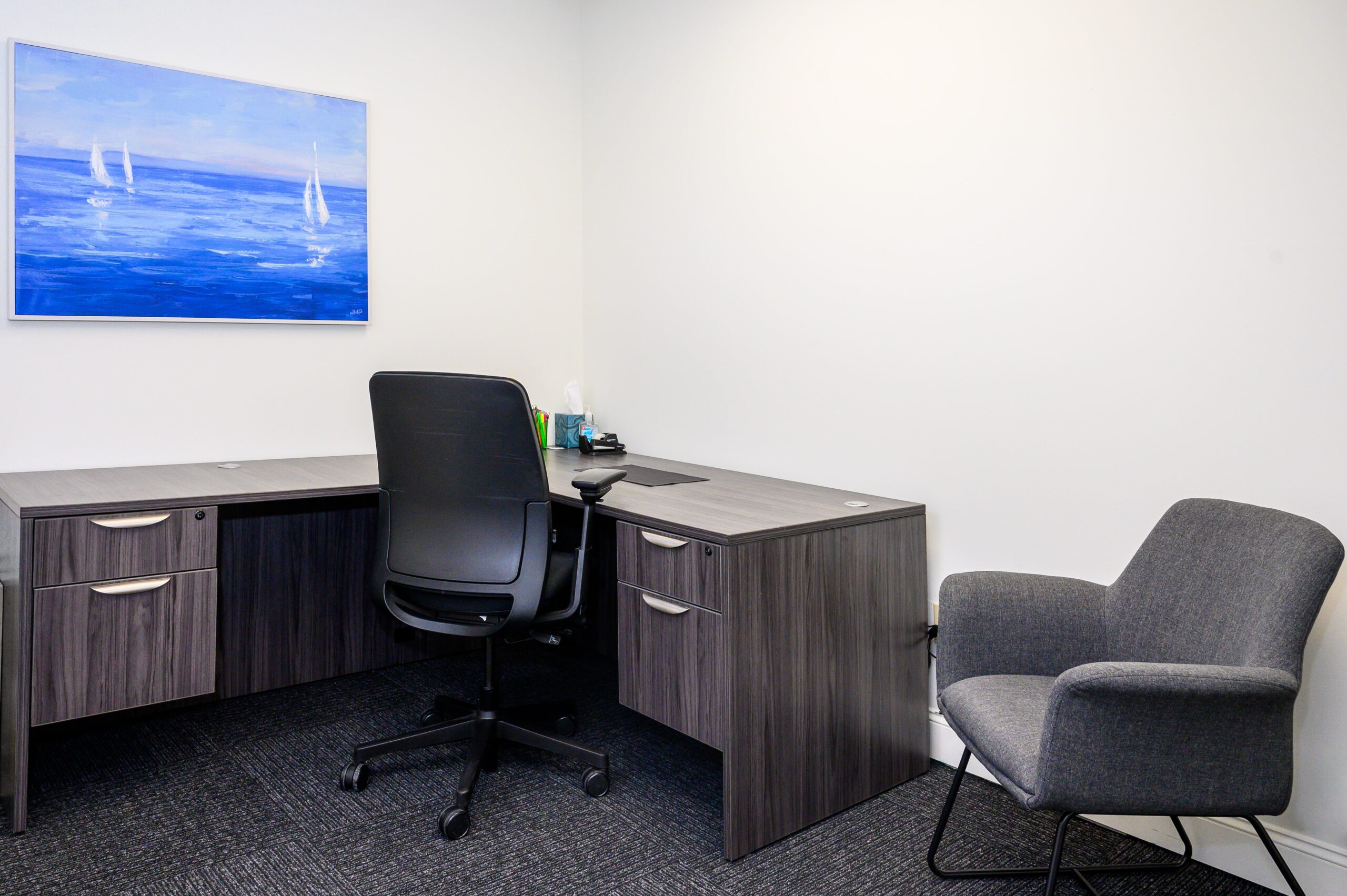
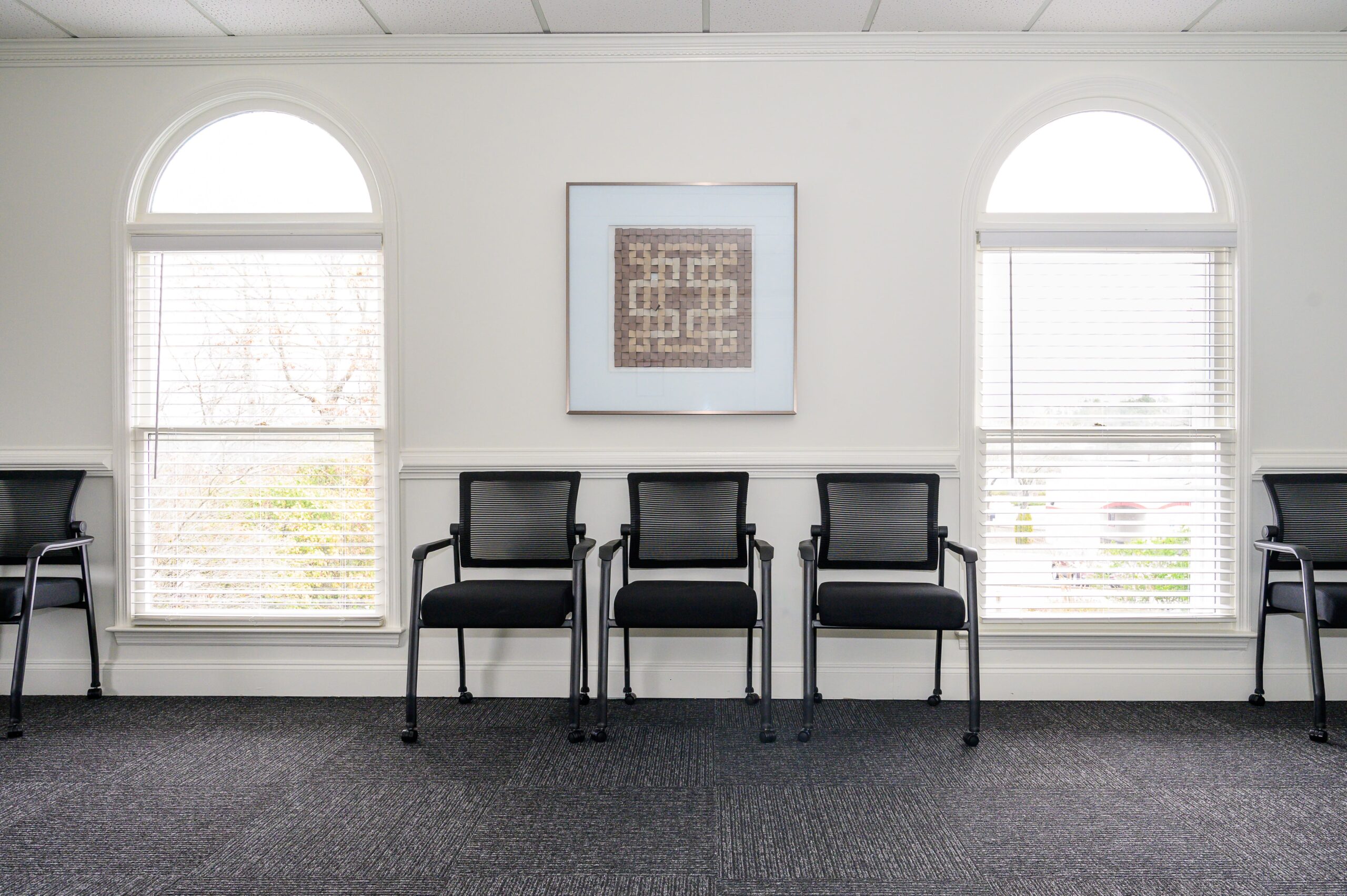
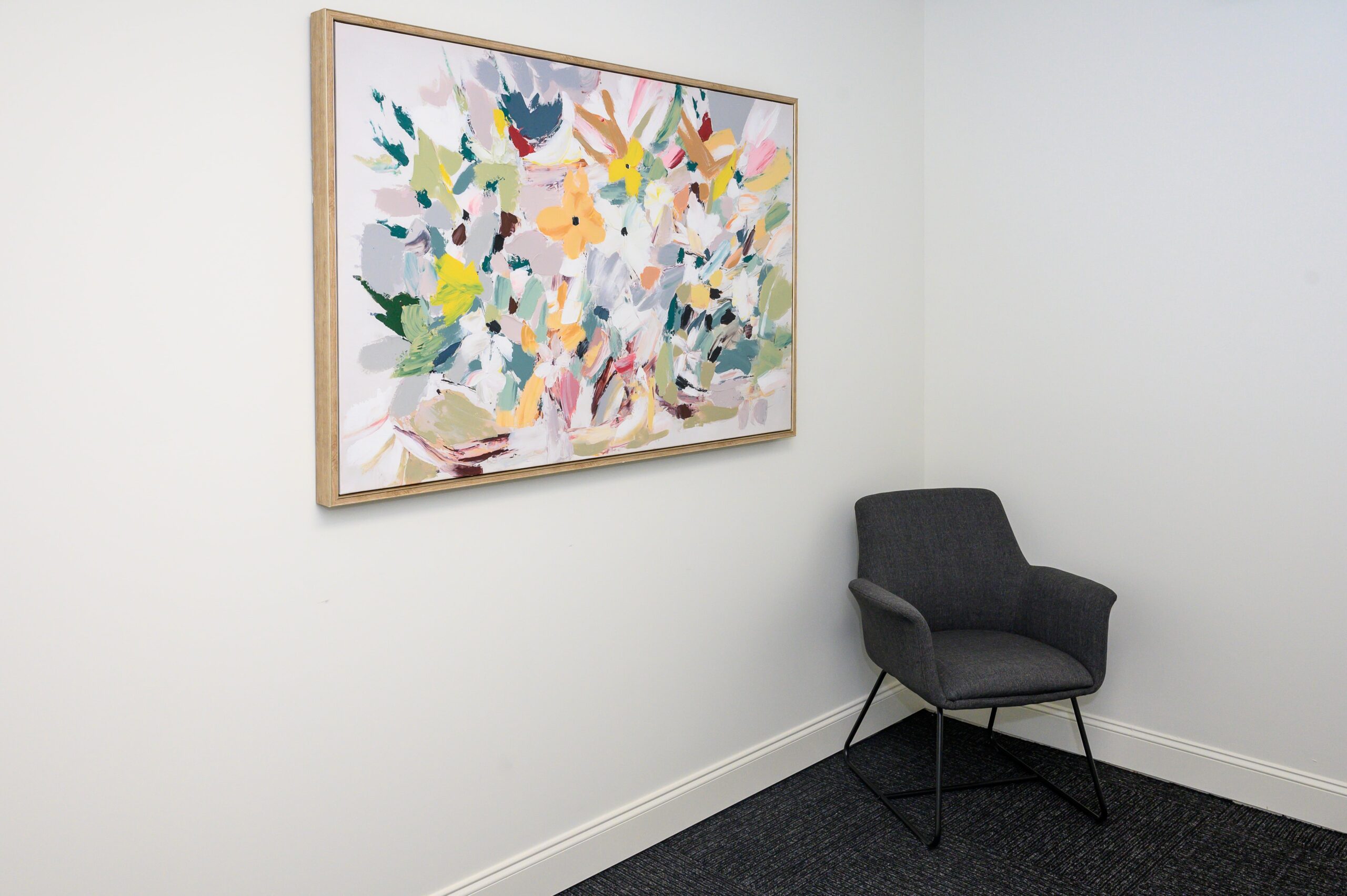
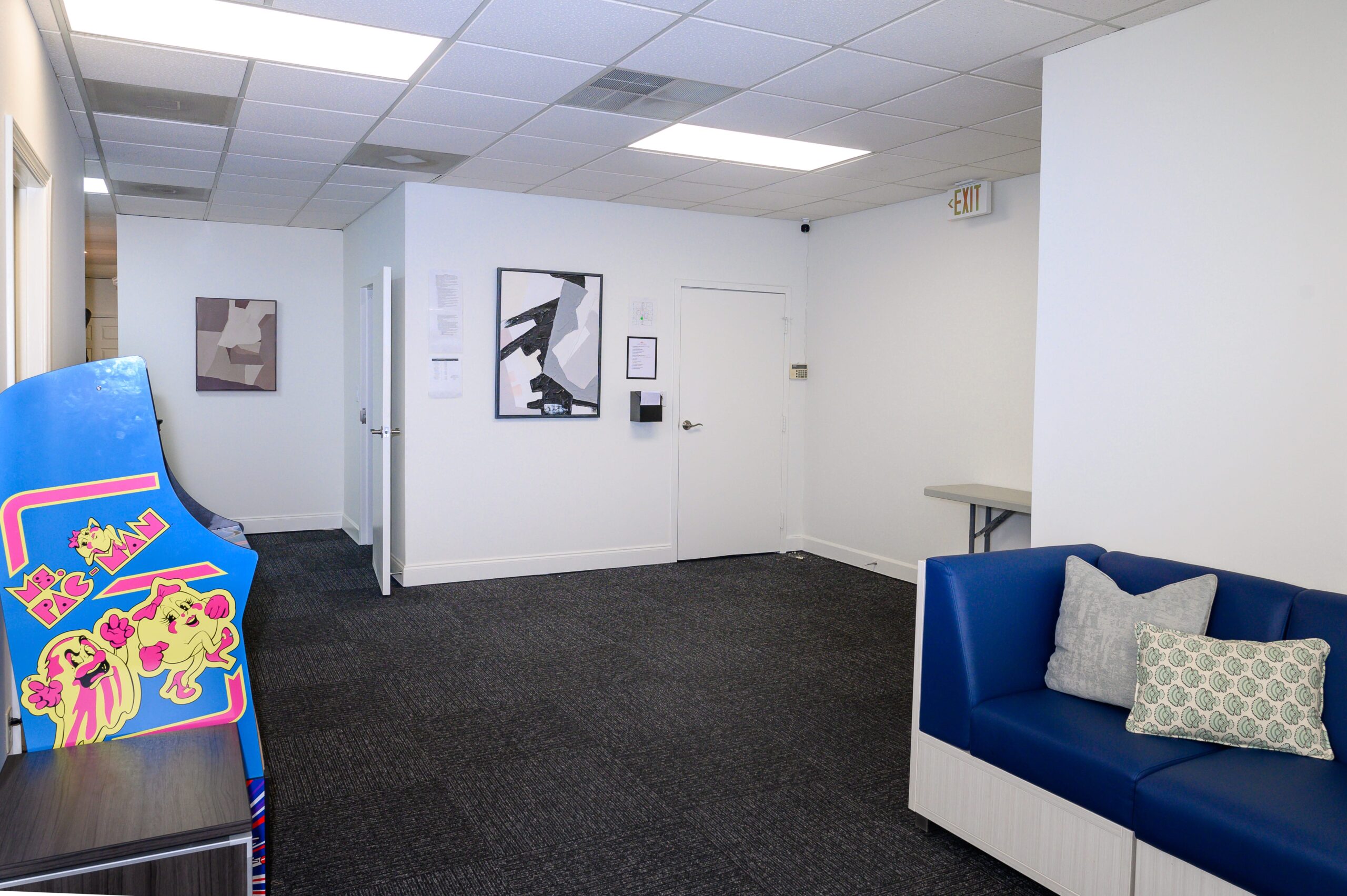
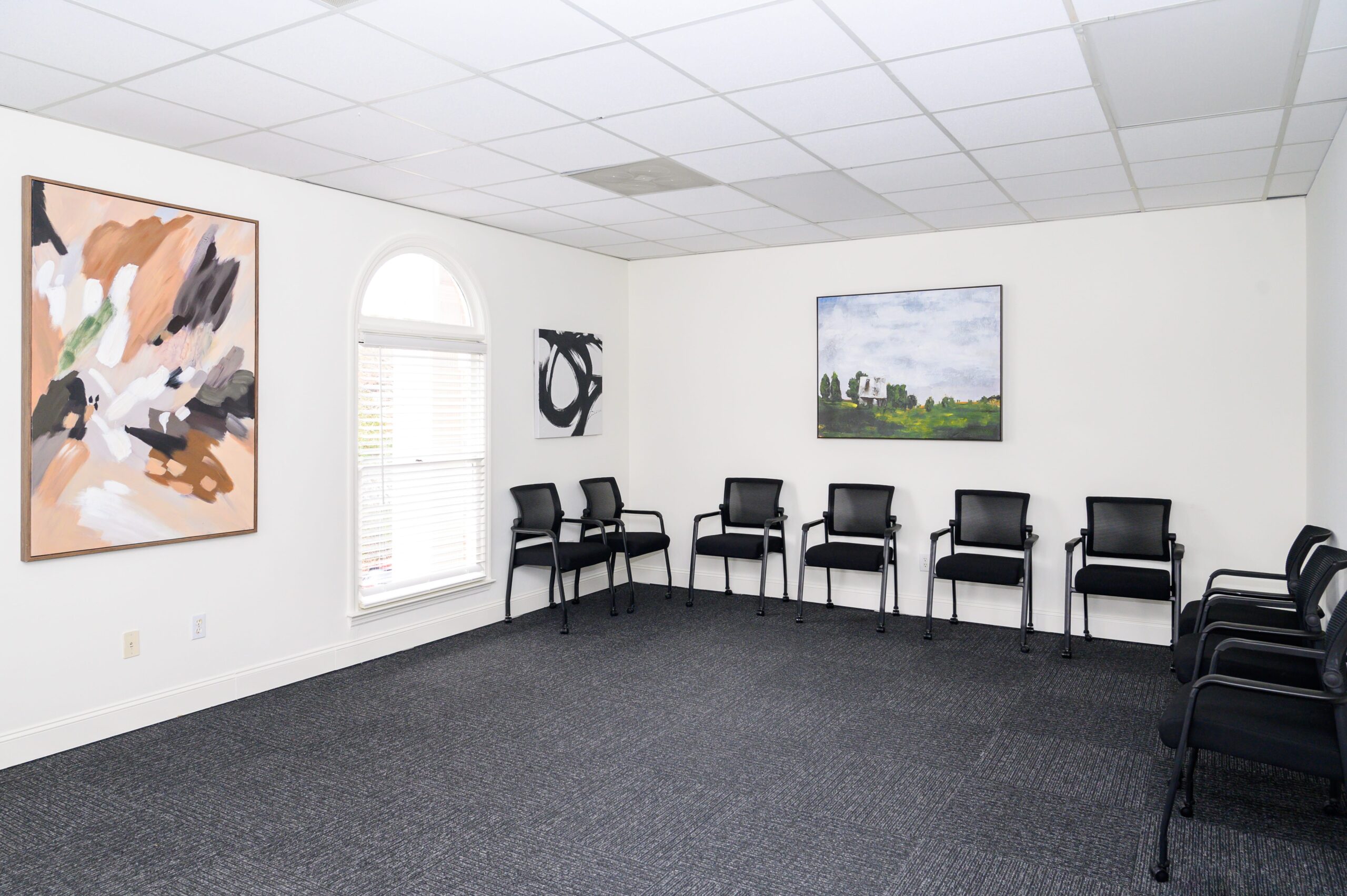
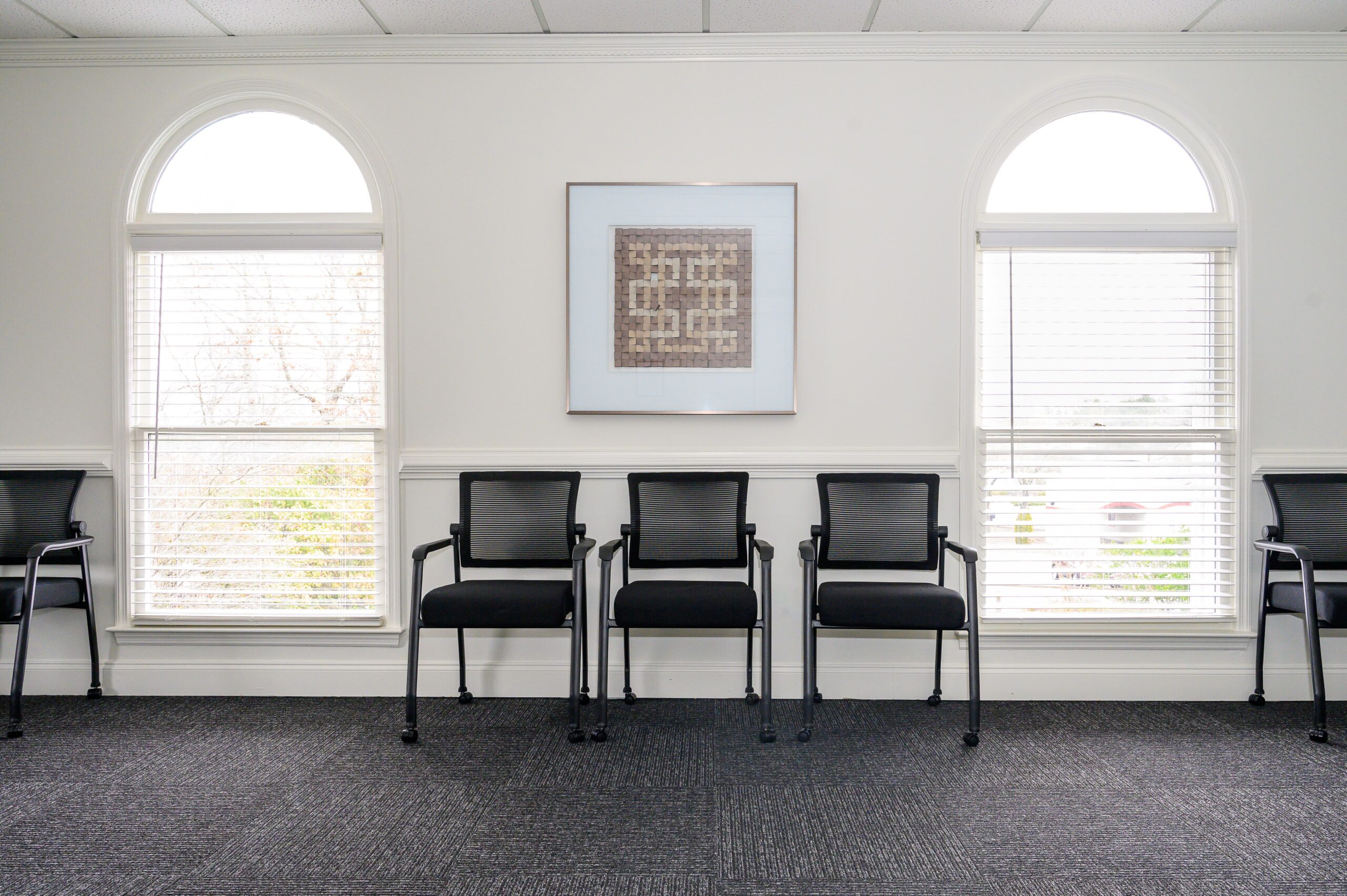
Facility Image Gallery


Find Panic Disorder Treatment in Atlanta
If you have begun organizing your life around the possibility of another panic attack, reaching out can feel like a significant step. We will take your concerns seriously and help you understand the care available at North Atlanta Behavioral Health.
To learn about panic disorder treatment in Atlanta, call 770-230-5699 today.

Treatment Philosophy
North Atlanta Behavioral Health is dedicated to the health and happiness of our clients. We offer personalized treatment plans that put each individual’s needs first.

Meet Our Team
Our multidisciplinary team wants nothing more than for our clients to achieve a lifetime of recovery and sobriety. Let us help you get the most out of treatment.
TESTIMONIALS
Success Stories & Testimonials
 I have been to my fair share of mental health programs and this one was extremely small, intimate and every staff member I have ever had contact with has been completely professional, compassionate, and caring.
Marysa Trayer
I’ve had the pleasure of working with their staff. They provide incredible care in a safe and open space. I would recommend this facility to my own family member, which says a lot.
Annemarie Rich
They have the best care with such an amazing staff. There is such a great community there too that offers so much support in helping each other on their recovery. Wonderful experience and highly recommended!!
Colin Hayward
The most incredible treatment facility! Cutting edge treatment and staff that feels like family. Truly a place where they care about helping people.
Josh Mitarnowski
Everything about this facility is 5 star. The staff, the atmosphere. From start to finish they treat you like a real human, and their chief concern is your emotional wellbeing. I couldn’t recommend them enough. Life changing experience 😭
StoryHeights Next Gen