Medication can be an extremely beneficial part of treatment for people who have become addicted to heroin, prescription painkillers, and other opioids. For patients who need medication but don’t want to have to take daily doses, the choice often comes down to Sublocade vs. Vivitrol.
At North Atlanta Behavioral Health, we’ll work closely with you to identify the prescription medications and types of therapy that will best prepare you for successful recovery from opioid addiction.
Learn more about medication-assisted treatment for addiction in Atlanta or verify your insurance now.
What Are Sublocade & Vivitrol?
Sublocade and Vivitrol are brand-name prescription medications that are primarily used to treat people who have developed opioid use disorder (OUD). Opioid use disorder is the clinical term for addiction to heroin, morphine, fentanyl, prescription painkillers, and similar substances.
Both meds are used in medication-assisted treatment (MAT), which is an evidence-based approach that combines medication and therapy to help people end their opioid use and build foundations for a healthier future in recovery.
Comparing Sublocade vs. Vivitrol
Key areas of comparison between Sublocade vs. Vivitrol are the ingredients in each medication, how they are administered, potential side effects, and what you need to do before you take them.
Primary Ingredients
The primary active ingredient in Sublocade is buprenorphine, while Vivitrol contains naltrexone. The origins of both ingredients date to the 1960s, though they did not begin to be used in MAT programs until the 2000s.
A few quick facts about buprenorphine:
- Origin: It was originally synthesized in 1966 by British scientists who were involved in a project to develop a better alternative to codeine.
- Classification: Buprenorphine is classified as an opioid partial-agonist. This means that it interacts with the same receptors that heroin and other opioids do, but it doesn’t produce the same intensity of disorienting effects that those drugs cause.
- Approval: The U.S. Food and Drug Administration (FDA) first approved buprenorphine to treat postoperative pain in 1982. In 2002, the FDA authorized its use in MAT programs for opioid use disorder. The extended-release injectable version, Sublocade, earned FDA approval in 2017.
Some basic information about naltrexone:
- Origin: This medication was first synthesized in 1963 by a team at Endo Laboratories in New York.
- Classification: Naltrexone is categorized as a full opioid antagonist. This means that it binds to opioid receptors in the central nervous system without activating them, so a person doesn’t experience any of the effects that opioids cause.
- Approval: Naltrexone was first approved by the FDA in 1984 to treat heroin addiction. The FDA approved an extended-release version of the medication, Vivitrol, in 2006 to treat alcohol use disorder (alcoholism). In 2010, Vivitrol’s approval was expanded to include opioid use disorder.
Method of Administration
Most medications that are used in MAT programs, such as methadone and Suboxone, are taken by mouth and only last for about 24 hours. Since these meds are closely controlled, patients are usually required to travel to their treatment center every day to receive their next dose.
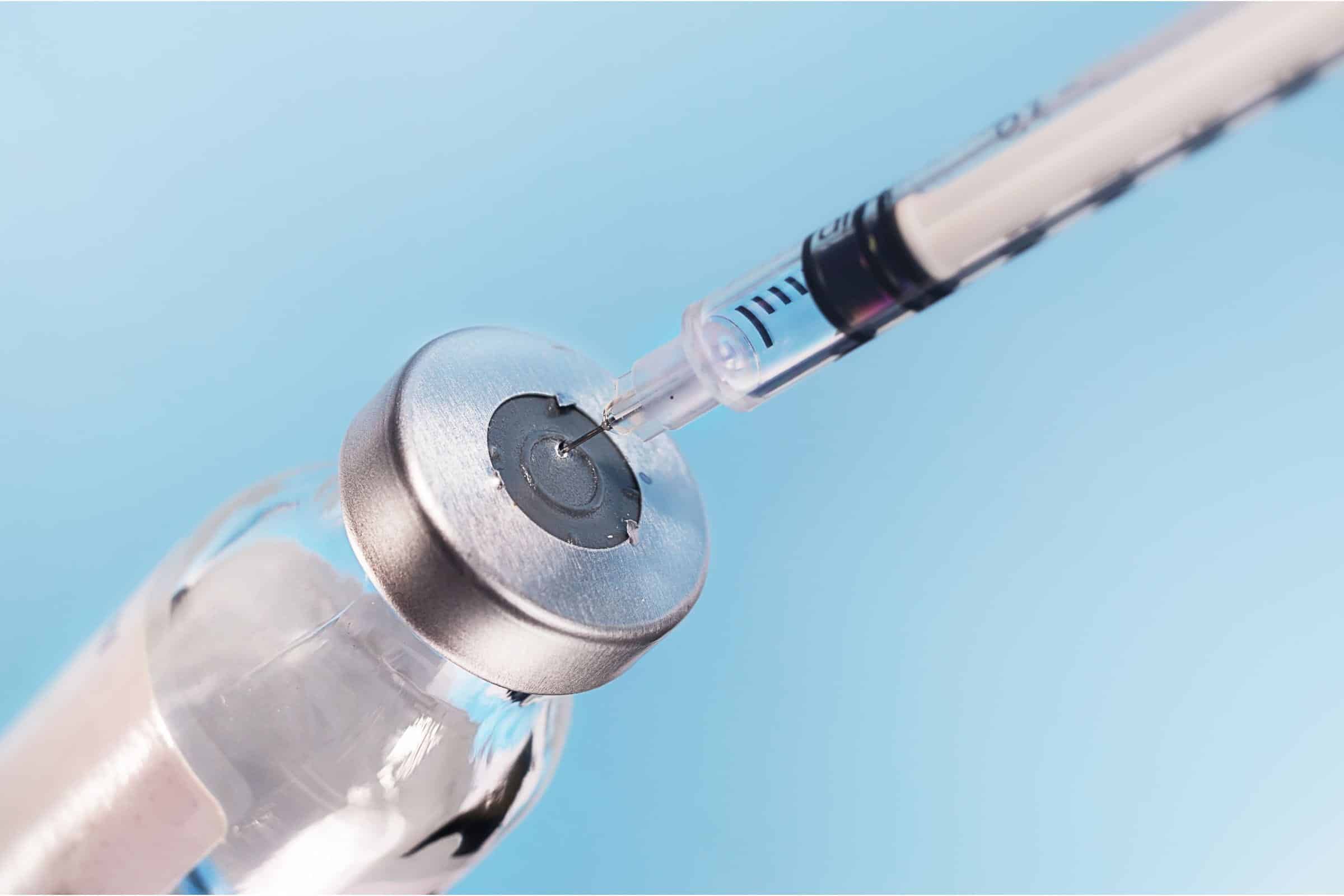
Sublocade and Vivitrol are both administered via injection, and a single dose of either medication lasts about a month.
However, there is a difference in injection type between Sublocade vs. Vivitrol:
- Sublocade patients receive the medication via a subcutaneous injection, usually in the abdomen, thigh, or upper arm. After the injection, a small solid deposit, which is called a depot, forms under the skin. That depot gradually releases buprenorphine over the next 26-30 days.
- Vivitrol is administered via deep intramuscular (IM) injection, typically in the buttocks. A depot that forms in the muscle releases naltrexone into the bloodstream over a period of 28-30 days.
Side Effects
Most people who receive Sublocade or Vivitrol are able to do so safely and with minimal distress. However, as is the case with virtually every prescription medication, using either of these drugs can expose a person to side effects.
Side effects of Sublocade vs. Vivitrol can include:
- Sublocade: The label that accompanies this medication indicates that its potential side effects are headache, fatigue, nausea, vomiting, constipation, itching or pain at the injection site, and increased hepatic enzymes (which can be a sign of liver damage).
- Vivitrol: Vivitrol’s label reports that the medication’s side effects can include nausea, vomiting, muscle cramps, dizziness, drowsiness and sedation, decreased appetite, liver dysfunction, lung infection, and suicidality.
Prior to taking Sublocade or Vivitrol, you should discuss the risk of side effects with your doctor so you’ll know which symptoms to watch out for. You should also be sure that your doctor is aware of any other prescription or over-the-counter meds you’ve been taking to ensure that you don’t experience any problematic interactions.
Induction
In the context of addiction medication, the term induction refers to the steps a patient needs to take to ensure that their body is ready for the med. In the case of Sublocade and Vivitrol, steps can minimize your risk of severe reactions and prepare you for a successful long-term MAT experience.
Differences in the induction process for Sublocade and Vivitrol:
- Sublocade: Before you can receive your first Sublocade injection, you must first take Suboxone or another form of oral buprenorphine. You usually need to take oral buprenorphine for seven to 14 days before switching to Sublocade. However, the medication’s website notes that it may be possible to get your first Sublocade injection within about an hour after taking your first oral buprenorphine dose. You will need to get a second Sublocade shot about a week after your first one, and then you can begin to receive the medication on a monthly basis.
- Vivitrol: Before you can receive your first injection of Vivitrol, you need to rid your body of opioids. The medication’s label recommends having a minimum of seven to 10 opioid-free days before starting on Vivitrol. If you have any opioids in your system when you receive a Vivitrol injection, your body will immediately be thrown into opioid withdrawal. This is a highly unpleasant experience that could necessitate hospitalization.
Learn More About Medication-Assisted Treatment in Atlanta
North Atlanta Behavioral Health is a trusted provider of personalized outpatient services, including medication-assisted treatment, for adults who have become addicted to opioids or alcohol.
Treatment at our center in Atlanta, GA, includes a partial hospitalization program (PHP) and an intensive outpatient program (IOP).
Both programs are staffed by experienced professionals who are committed to providing customized services in a safe and highly supportive environment.
Call 770-230-5699 today to learn more or verify your insurance now.