
Home »
At North Atlanta Behavioral Health, we believe that effective mental health care begins with truly understanding the person behind the diagnosis. Our approach to Atlanta mental health services is built on a foundation of evidence-based therapies delivered in an outpatient setting. Whether you’re navigating depression, anxiety, addiction, or a co-occurring condition, our clinical team is here to guide you toward lasting stability and meaningful recovery.
Contact us today to learn more about our comprehensive approach to mental health treatment in Atlanta, Georgia.
Our Mental Health Services
We offer a comprehensive suite of Atlanta mental health services designed to address the full spectrum of mental health and substance use challenges. Each service is tailored to the individual and delivered by experienced, licensed clinicians.
Group Therapy
Our psychoeducational group therapy sessions bring clients together to build skills, share perspective, and find connection with others who understand the road they’re on. Groups are led by a trained therapist and focus on emotional regulation, relapse prevention, communication, and more.
Mental Health Treatment Programs
North Atlanta Behavioral Health offers a continuum of outpatient care designed to meet clients at their current level of need. Every program allows individuals to remain at home or in structured housing while receiving professional clinical support.
- Partial Hospitalization Program (PHP): Our highest level of outpatient care, PHP provides structured programming five days per week for individuals who need intensive support without 24-hour inpatient supervision.
- Intensive Outpatient Program (IOP): Ideal for those stepping down from PHP or who need more support than weekly therapy can provide, IOP offers multiple sessions per week focused on therapeutic skill-building and accountability.
- Outpatient Program (OP): Our standard outpatient option provides ongoing therapeutic support for individuals who have made meaningful progress and are ready to integrate recovery into their daily lives with greater independence.
- Sober Living: For clients who need a structured, substance-free environment to reinforce the progress made in treatment, our sober living connections offer community, accountability, and continued support.
Recommended: Psychotherapy vs Therapy (What’s The Difference)
Benefits of Mental Health Treatment Center in Georgia
Choosing to seek care at a structured mental health treatment center can be one of the most important decisions of your life.
At NABH, our clients benefit from:
- Access to a multidisciplinary team of therapists, psychiatrists, and case managers under one roof.
- Individualized treatment plans built around your specific diagnosis, history, and goals.
- Flexible scheduling options, including evening IOP, to accommodate work and family responsibilities.
- Integrated dual diagnosis care for co-occurring mental health and substance use disorders.
- A trauma-informed environment where every client is treated with dignity and without judgment.
- Evidence-based therapies proven to reduce symptoms and build long-term coping skills.
- Ongoing family involvement and education to create a stronger support system at home.
- Aftercare planning and alumni support to help sustain progress beyond formal treatment.
How Long Does Mental Health Treatment Last?
There is no universal timeline for mental health treatment. The duration of care at North Atlanta Behavioral Health is determined by each client’s individual needs, the severity of their symptoms, and how they respond to treatment over time.
As a general guide, PHP typically runs 4–6 weeks, IOP can range from 6–12 weeks, and outpatient therapy may continue for several months or longer depending on the individual’s goals.
What matters most is not how quickly you move through treatment, but how well you build the skills and insight needed to maintain your wellbeing after discharge. Our clinical team conducts regular assessments to ensure your level of care always matches where you are in your recovery.
Inpatient vs. Outpatient Treatment
Understanding the difference between inpatient and outpatient care can help you or your loved one make an informed decision about the right level of support.
- Inpatient treatment involves 24-hour supervision in a residential or hospital-based setting. It is typically reserved for individuals who are in acute crisis, pose a risk to themselves or others, or require medical detoxification.
- Outpatient treatment allows clients to live at home or in supportive housing while attending structured programming during the day or evening. It is well-suited for individuals who are medically stable and have a safe environment to return to outside of treatment hours.
For many people, outpatient care at the PHP or IOP level provides the clinical intensity of inpatient treatment while allowing clients to begin practicing recovery skills.
Meet Our Team
The quality of your care is only as strong as the team delivering it. At North Atlanta Behavioral Health, our clinicians bring together decades of combined experience in psychiatry, psychotherapy, case management, and addiction medicine.
Our team includes licensed therapists, a board-certified medical director, a program director, and dedicated case managers who collaborate closely to ensure continuity of care across every aspect of your treatment.
Get Help Now
Begin Treatment in Atlanta Today
Mental health disorders and addiction cannot be treated by treating the symptoms alone. We use holistic and evidence-based methods to treat the entire individual.
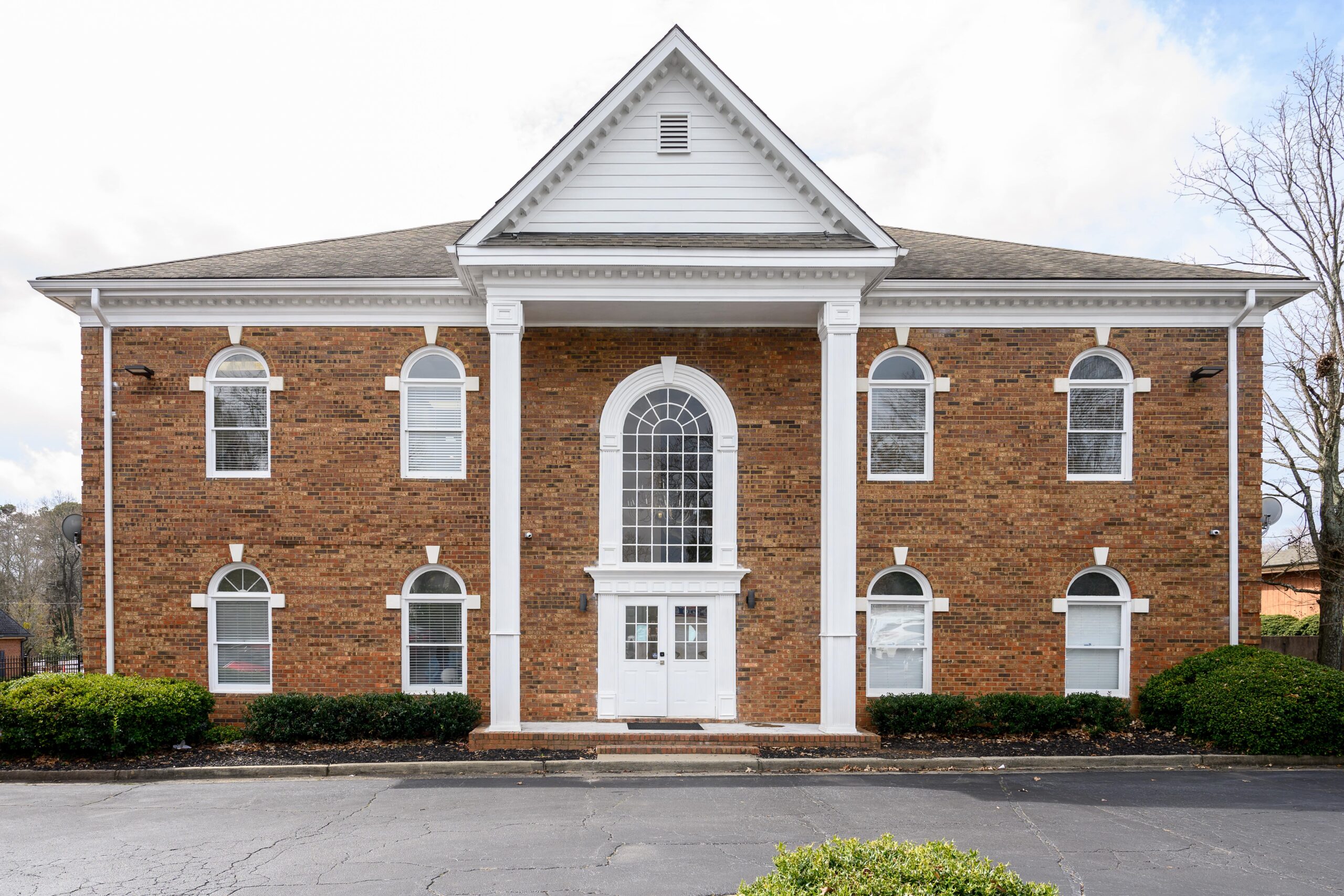
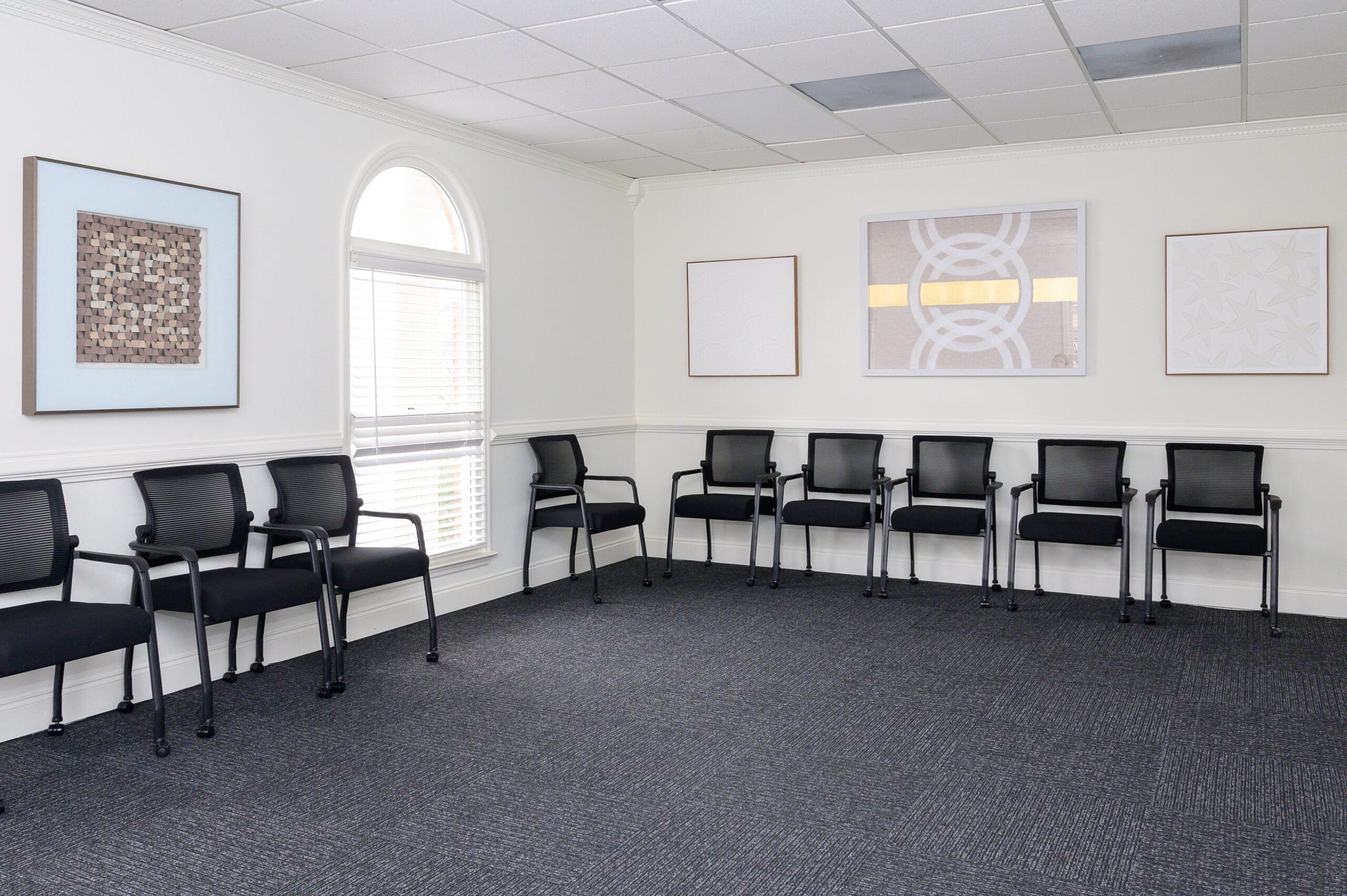
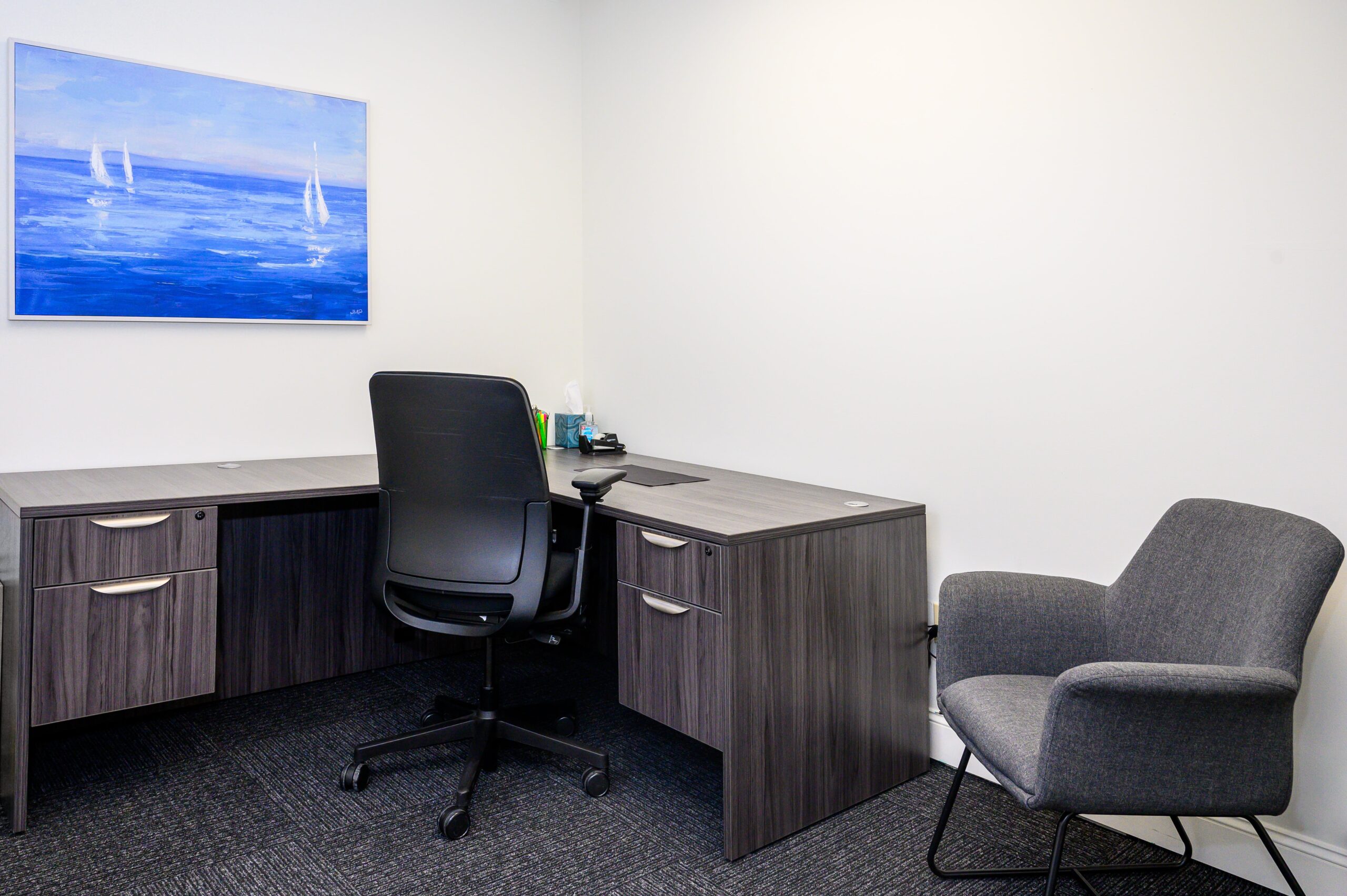
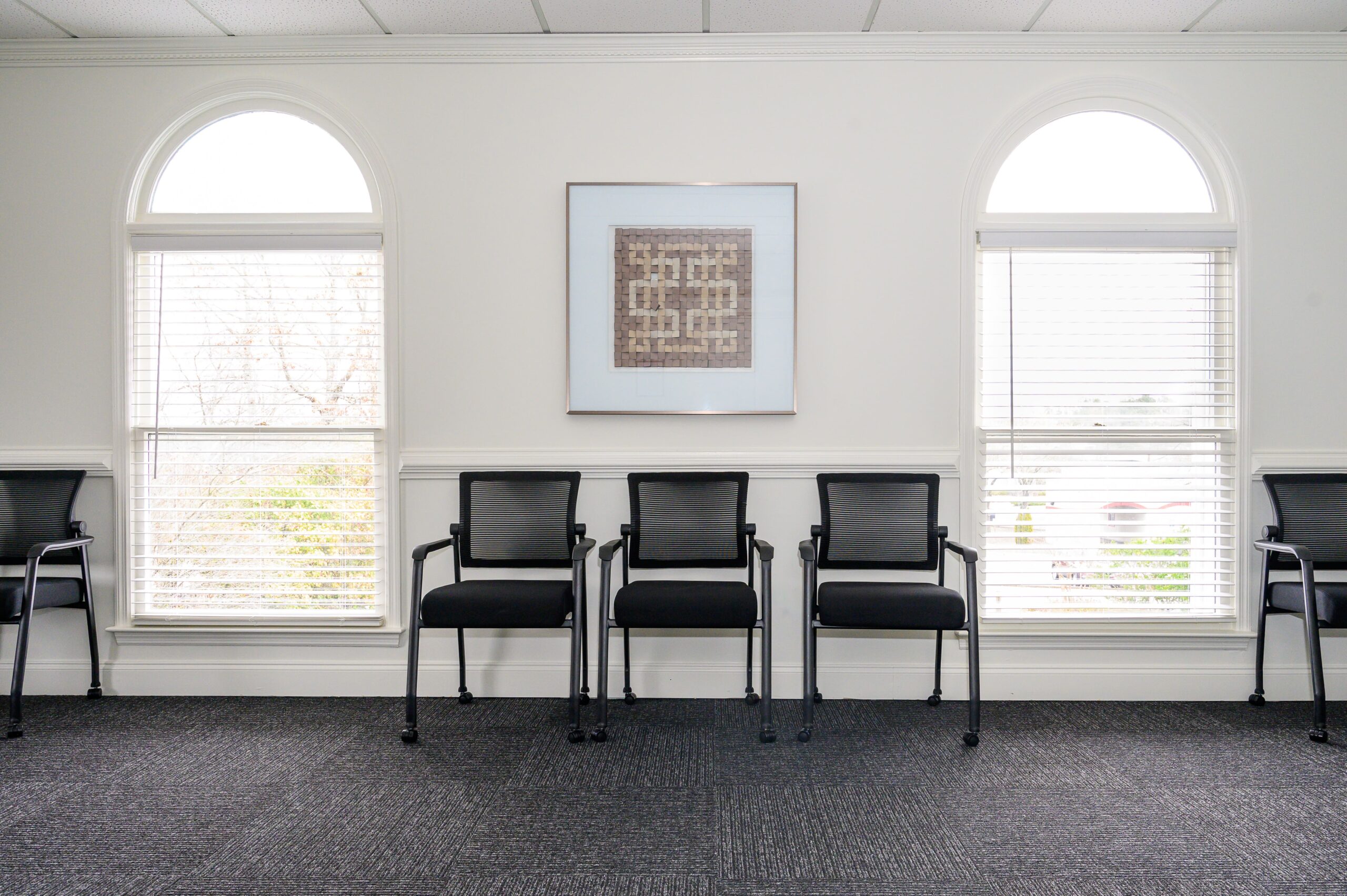
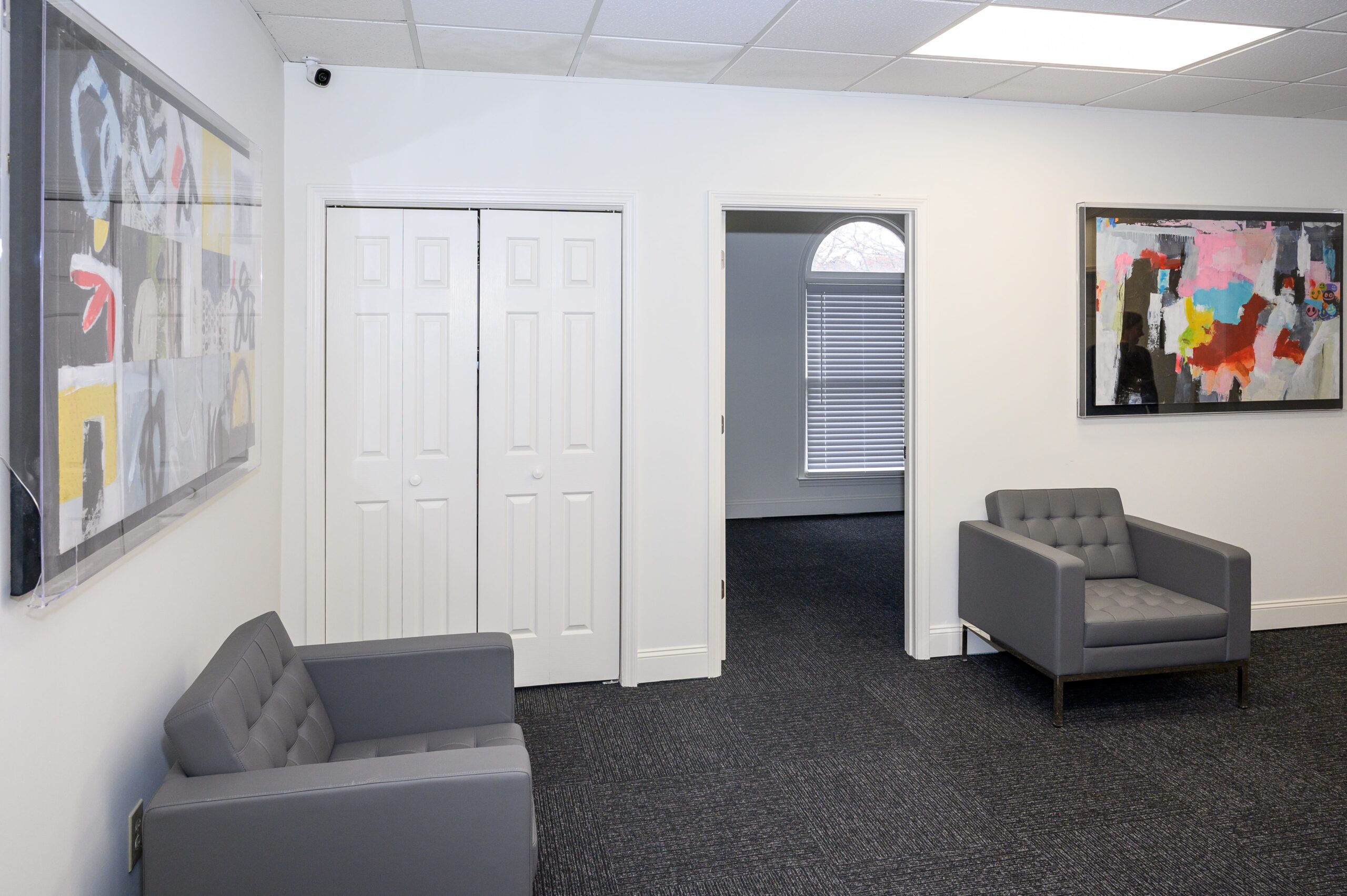
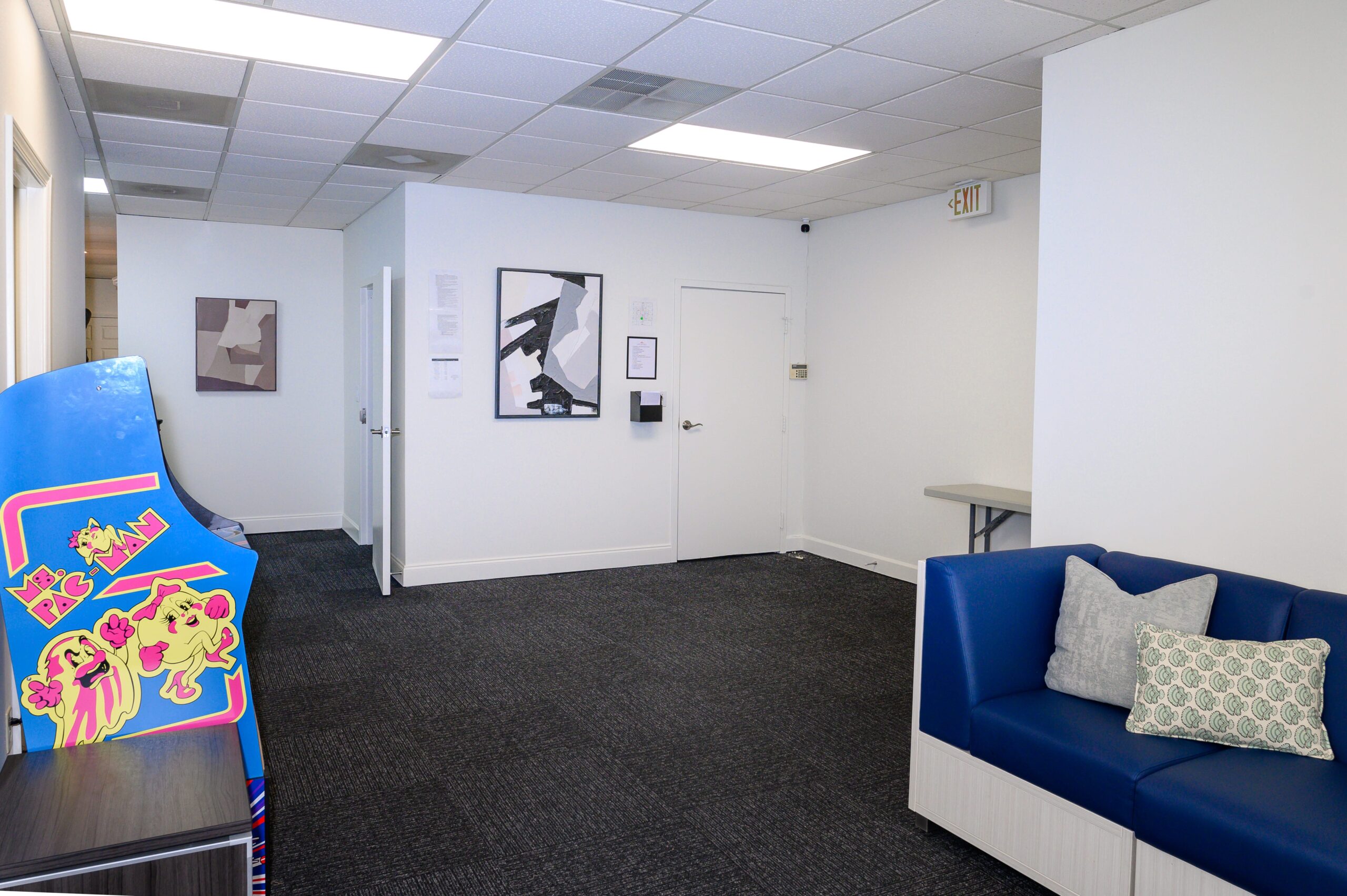
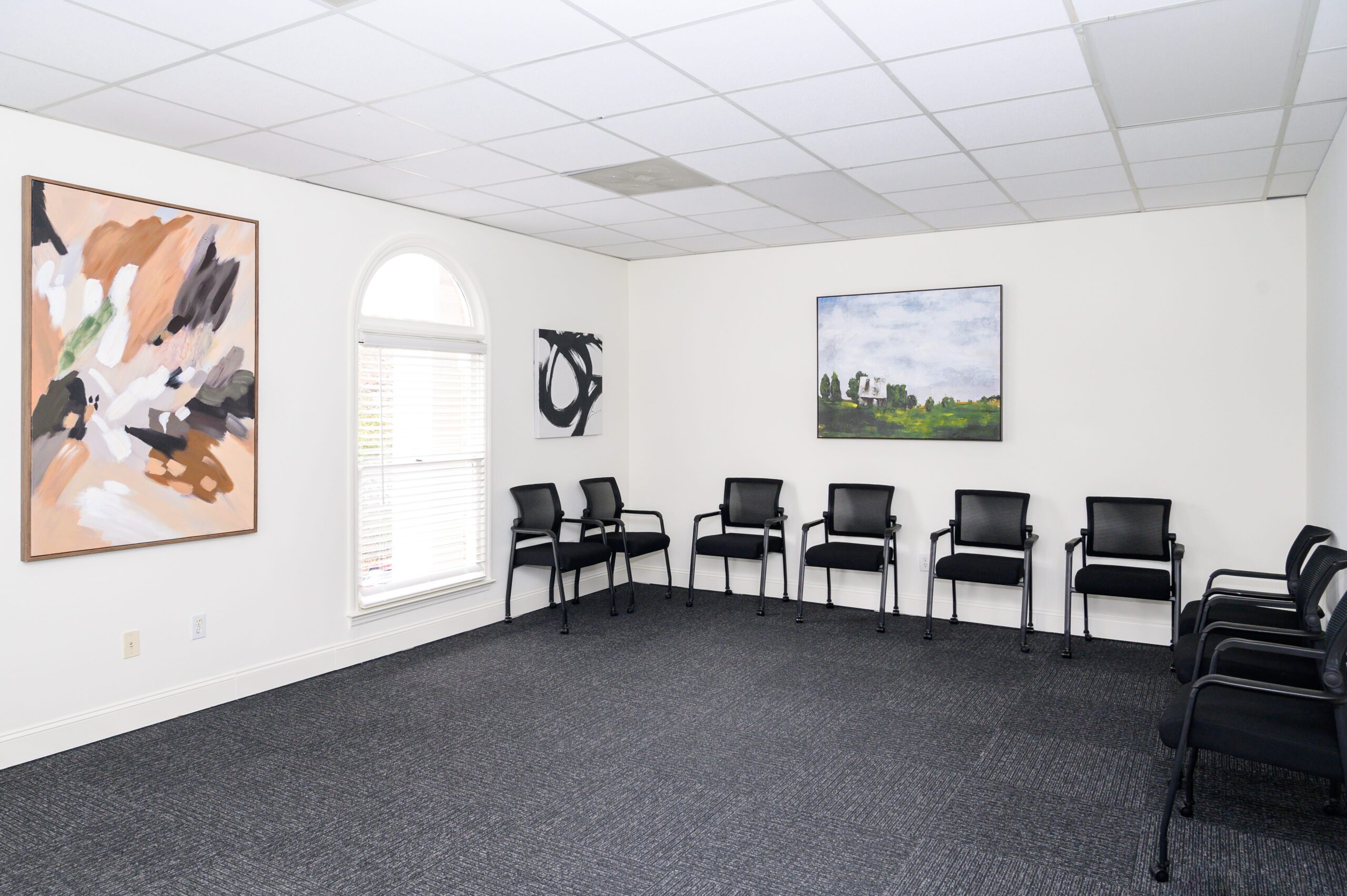
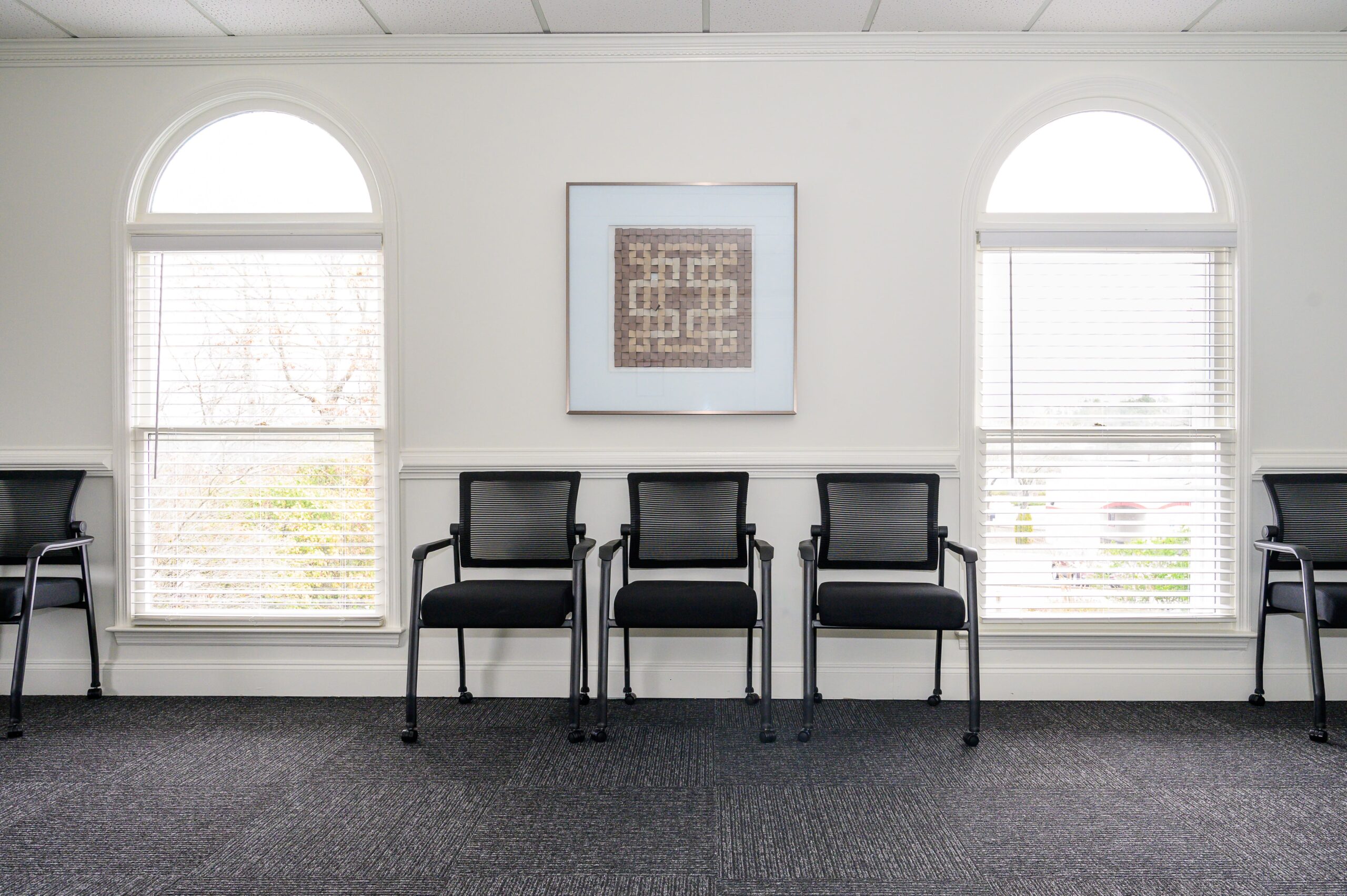
Facility Image Gallery
Begin Your Recovery Today
You don’t have to keep managing alone. Whether you’re in the midst of a crisis or simply know that something has to change, North Atlanta Behavioral Health is ready to help. Our admissions team is available 24/7 and we will walk you through every step of the process.
Contact us today to learn more.
Frequently Asked Questions
What Type of Mental Disorders Do You Treat?
North Atlanta Behavioral Health provides clinical care for a wide range of mental health disorders, including:
- Depression and mood disorders
- Anxiety disorders, including generalized anxiety, panic disorder, and social anxiety
- Bipolar disorder
- Post-traumatic stress disorder (PTSD)
- Obsessive-compulsive disorder (OCD)
- Borderline personality disorder (BPD) and other personality disorders
- Schizophrenia and schizoaffective disorder
- Eating disorders
- Self-harm behaviors
- Complicated grief
- Substance use disorders and dual diagnosis conditions
If you’re unsure whether your diagnosis falls within our scope of care, please call us and we’ll help you find the right fit.
Atlanta Mental Health Statistics
Mental illness is widespread in Georgia, affecting an estimated 1,405,000 adults, which is more than twice the population of Atlanta. Of those, 336,000 are living with a serious mental illness. In February 2021, 44.3% of Georgia adults reported symptoms of anxiety or depression, with nearly 30% unable to access the counseling or therapy they needed.
Of the 391,000 Georgia adults who went without needed mental health care, 45.4% cited cost as the reason. With 13.4% of the state’s population uninsured and Georgians being over four times more likely to be pushed out-of-network for mental health care than for primary care, the financial burden of seeking help remains out of reach for far too many.
What Should I Bring With Me to Treatment?
Starting a treatment program can feel overwhelming, but preparation helps.
When you begin care at North Atlanta Behavioral Health, we recommend bringing the following:
- Insurance card and photo ID for the admissions and verification process
- List of current medications, including dosages and prescribing physicians
- Medical and psychiatric records, if available, to help our clinical team understand your history
- Emergency contacts — Names and phone numbers for family members or close friends we can reach if needed
- Comfortable clothing appropriate for a professional outpatient environment
- A notebook or journal, if you like to write — Many clients find it helpful during group sessions
- An open mind — The willingness to engage honestly with the process is the most important thing you can bring
TESTIMONIALS
Success Stories & Testimonials
 I have been to my fair share of mental health programs and this one was extremely small, intimate and every staff member I have ever had contact with has been completely professional, compassionate, and caring.
Marysa Trayer
I’ve had the pleasure of working with their staff. They provide incredible care in a safe and open space. I would recommend this facility to my own family member, which says a lot.
Annemarie Rich
They have the best care with such an amazing staff. There is such a great community there too that offers so much support in helping each other on their recovery. Wonderful experience and highly recommended!!
Colin Hayward
The most incredible treatment facility! Cutting edge treatment and staff that feels like family. Truly a place where they care about helping people.
Josh Mitarnowski
Everything about this facility is 5 star. The staff, the atmosphere. From start to finish they treat you like a real human, and their chief concern is your emotional wellbeing. I couldn’t recommend them enough. Life changing experience 😭
StoryHeights Next Gen