
Grief is a universal human experience, yet it affects each person differently. While many individuals gradually adjust to life after a loss, others find that grief becomes persistent, consuming, and difficult to navigate without support. When the natural mourning process is disrupted or prolonged, it can interfere with emotional health, relationships, and daily functioning. At North Atlanta Behavioral Health, we provide specialized complicated grief treatment in Atlanta to help individuals process loss in a healthy, supported, and clinically guided way.
To learn more about mental health treatment in Atlanta, call us now at 770-230-5699 or verify your insurance.
What Is Grief Disorder?
Grief disorder, also referred to as prolonged grief disorder or complicated grief, is a mental health condition in which the symptoms of grief remain intense and disruptive for an extended period of time.
Rather than gradually integrating the loss into daily life, individuals may feel emotionally frozen, overwhelmed, or unable to envision a future without the person they lost. This condition is not a sign of weakness or failure to cope. Instead, it reflects a need for structured therapeutic intervention to support ongoing healing while strengthening the ability to adapt emotionally.
The Average Prevalence of Prolonged Grief Disorder Is About 13%
According to the Journal of Affective Disorders, the prevalence of prolonged grief disorder (PGD) varies in probability from 5-16%. This study took 34 samples from 16 countries to create this estimate.
Types of Grief Disorders
Grief disorders can present in several distinct forms, depending on the nature of the loss and an individual’s emotional, psychological, and situational response. Understanding the different types of grief helps clinicians and caregivers recognize symptoms and therefore guide treatment planning effectively.
Acute Grief
Acute grief typically occurs immediately after a loss. It is characterized by intense sadness, shock, emotional pain, and frequent thoughts about the deceased. These reactions are expected in the early stages of bereavement and often lessen over time.
Chronic Grief
Chronic grief persists for an extended period without meaningful emotional improvement. Individuals may remain emotionally stuck in their loss, experiencing ongoing distress that interferes with daily coping.
Delayed Grief
Delayed grief occurs when emotional responses to a loss are postponed. Symptoms may emerge months or even years later, often triggered by another stressful or significant life event that reactivates unresolved grief.
Complicated Grief
Complicated grief involves persistent and intense yearning for the deceased, avoidance of reminders of the loss, and difficulty accepting the reality of the death. This type of grief significantly disrupts functioning and typically requires clinical intervention.
Traumatic Grief
Traumatic grief follows a sudden, unexpected, or violent loss. It often overlaps with trauma-related symptoms such as intrusive thoughts, hypervigilance, and emotional numbness, combining features of both grief and post-traumatic stress disorder (PTSD).
Signs and Symptoms of a Grief Disorder
Grief disorders involve a range of emotional, cognitive, behavioral, and physical symptoms that extend beyond typical sadness. When these symptoms are persistent and interfere with daily functioning, professional care is strongly recommended.
- Emotional Symptoms: Persistent longing, guilt, anger, emotional numbness, or a profound sense of emptiness.
- Cognitive Symptoms: Intrusive thoughts about the loss, difficulty concentrating, or ongoing preoccupation with memories of the deceased.
- Behavioral Symptoms: Social withdrawal, avoidance of reminders of the loss, and loss of interest in previously meaningful activities.
- Physical Symptoms: Fatigue, sleep disturbances, changes in appetite, and increased vulnerability to illness.
Treatment Programs in Georgia for Complicated Grief
We offer multiple levels of care for individuals experiencing complicated grief, allowing treatment to be matched to symptom severity and personal needs. These structured treatment options provide flexibility and continuity, ensuring individuals receive appropriate support as their needs change. Our complicated grief treatment in Atlanta is available across each level of care to deliver individualized, comprehensive support.
Partial Hospitalization Program (PHP)
Partial hospitalization programs provide full-day, highly structured treatment while allowing individuals to return home in the evenings. PHP is designed for those who require intensive therapeutic support but do not need 24-hour residential care. Treatment focuses on emotional processing, coping skills development, and stabilization.
Intensive Outpatient Program (IOP)
Intensive outpatient programs offer a step-down level of care with increased therapeutic structure compared to traditional outpatient therapy. Individuals attend multiple treatment sessions per week, allowing for healing while continuing to manage work, school, or family responsibilities.
Outpatient Program (OP)
Our outpatient program provides regularly scheduled counseling sessions in a flexible format. This level of care is ideal for individuals with milder symptoms or those transitioning from higher levels of treatment because it supports continued recovery while maintaining daily routines.
How Bereavement Disorder Can Affect Someone
Bereavement disorder can significantly impact emotional, social, and physical well-being. Individuals may struggle to maintain relationships, fulfill work responsibilities, or engage in activities that once brought them enjoyment.
Isolation often increases as others may not understand the depth or duration of the grief. Eventually, unresolved grief can contribute to depression, anxiety, substance use, and chronic stress-related health issues. Early and appropriate treatment can help reduce these risks and support long-term emotional stability.
The Stages of Grief
Grief is commonly described as progressing through five stages, though these stages are not linear and may occur in varying order or repeat over time. Each stage reflects a different emotional response to loss, and individuals may move between them unpredictably. In cases of complicated grief, progression through these stages may become stalled or disrupted.
These stages include:
- Denial: Serves as a temporary emotional buffer, helping individuals cope with the initial shock of loss.
- Anger: May emerge as frustration, resentment, or helplessness related to the loss or circumstances surrounding it.
- Bargaining: Involves attempts to regain control or make sense of the loss, often through “what if” or “if only” thoughts.
- Depression: Characterized by deep sadness, withdrawal, and feelings of emptiness as the reality of the loss sets in.
- Acceptance: Reflects learning to live with the loss in a meaningful way, without forgetting or minimizing its impact.
How Is Complicated Grief Treated?
Treatment for complicated grief focuses on helping individuals process the loss while rebuilding emotional resilience and daily functioning.
Evidence-based approaches often include grief-focused cognitive behavioral therapy (CBT), trauma-informed interventions, and narrative therapy. Treatment addresses avoidance behaviors, unresolved emotions, and distorted beliefs related to the loss. Clients learn coping strategies to manage intense emotions, reconnect with supportive relationships, and restore a sense of purpose. Overall, our complicated grief treatment in Atlanta emphasizes personalized care that respects each individual’s unique experience of loss.
Services we offer include:
Why North Atlanta Behavioral Health
North Atlanta Behavioral Health is dedicated to providing compassionate, clinically grounded mental health care that prioritizes dignity, understanding, and long-term healing. Our multidisciplinary team includes licensed therapists and psychiatric professionals with extensive experience treating grief-related conditions across varying levels of severity. We emphasize individualized treatment planning, emotional safety, and evidence-based practices.
With flexible levels of care and a supportive environment, our complicated grief treatment in Atlanta helps individuals move forward at a pace that feels manageable, respectful, and aligned with their personal healing process.
Get Help Now
Begin Treatment in Atlanta Today
Mental health disorders and addiction cannot be treated by treating the symptoms alone. We use holistic and evidence-based methods to treat the entire individual.
Facility Image Gallery
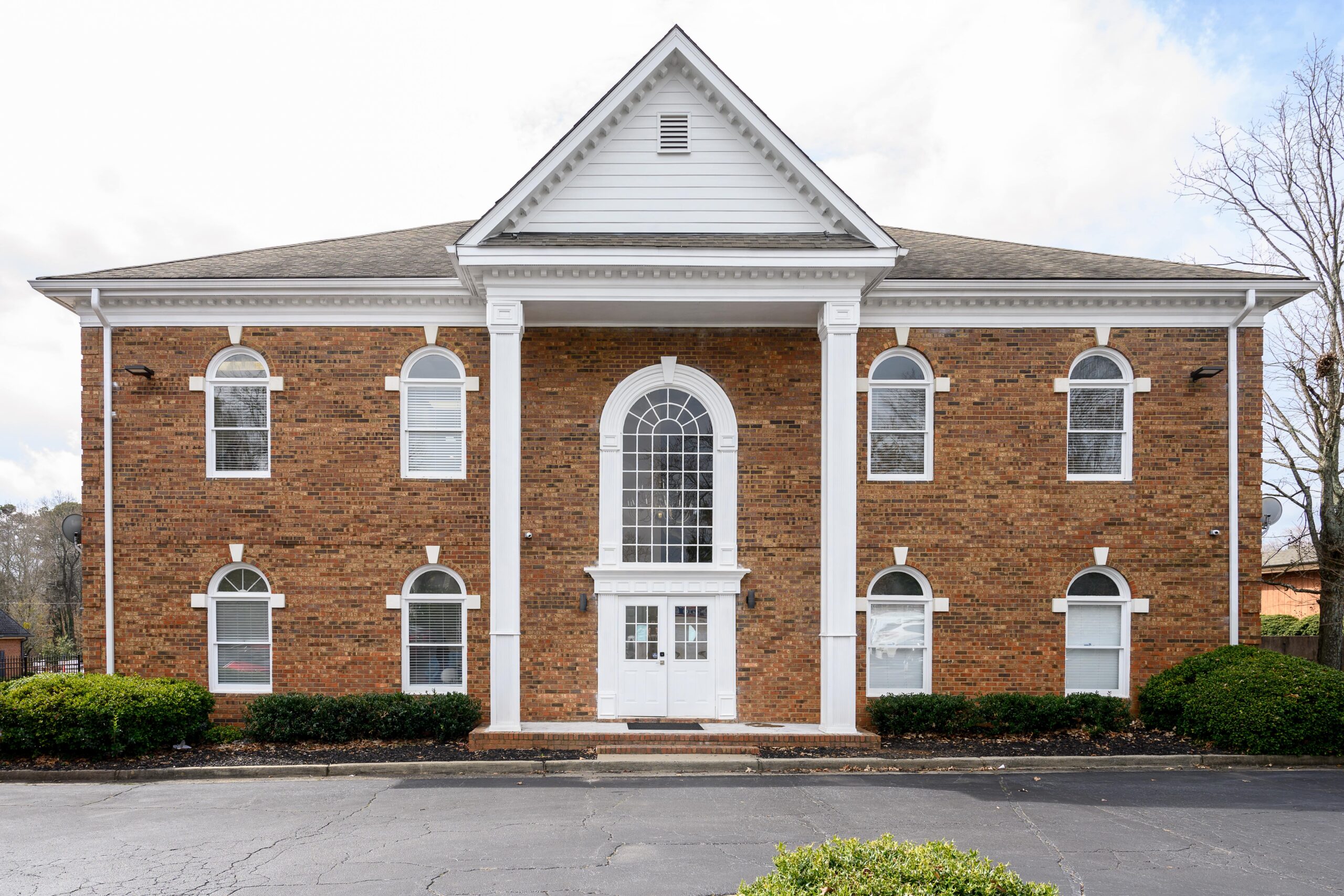



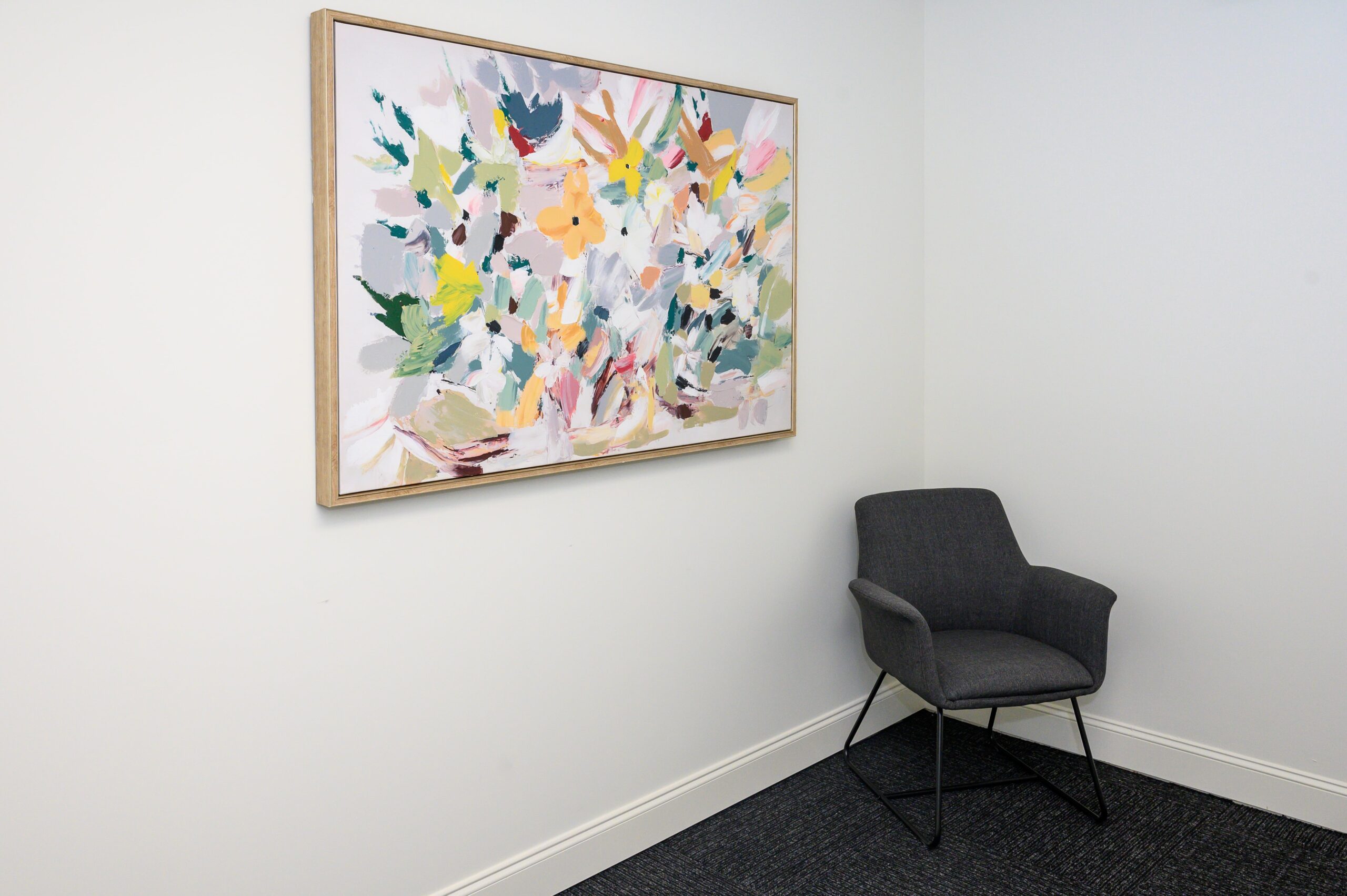
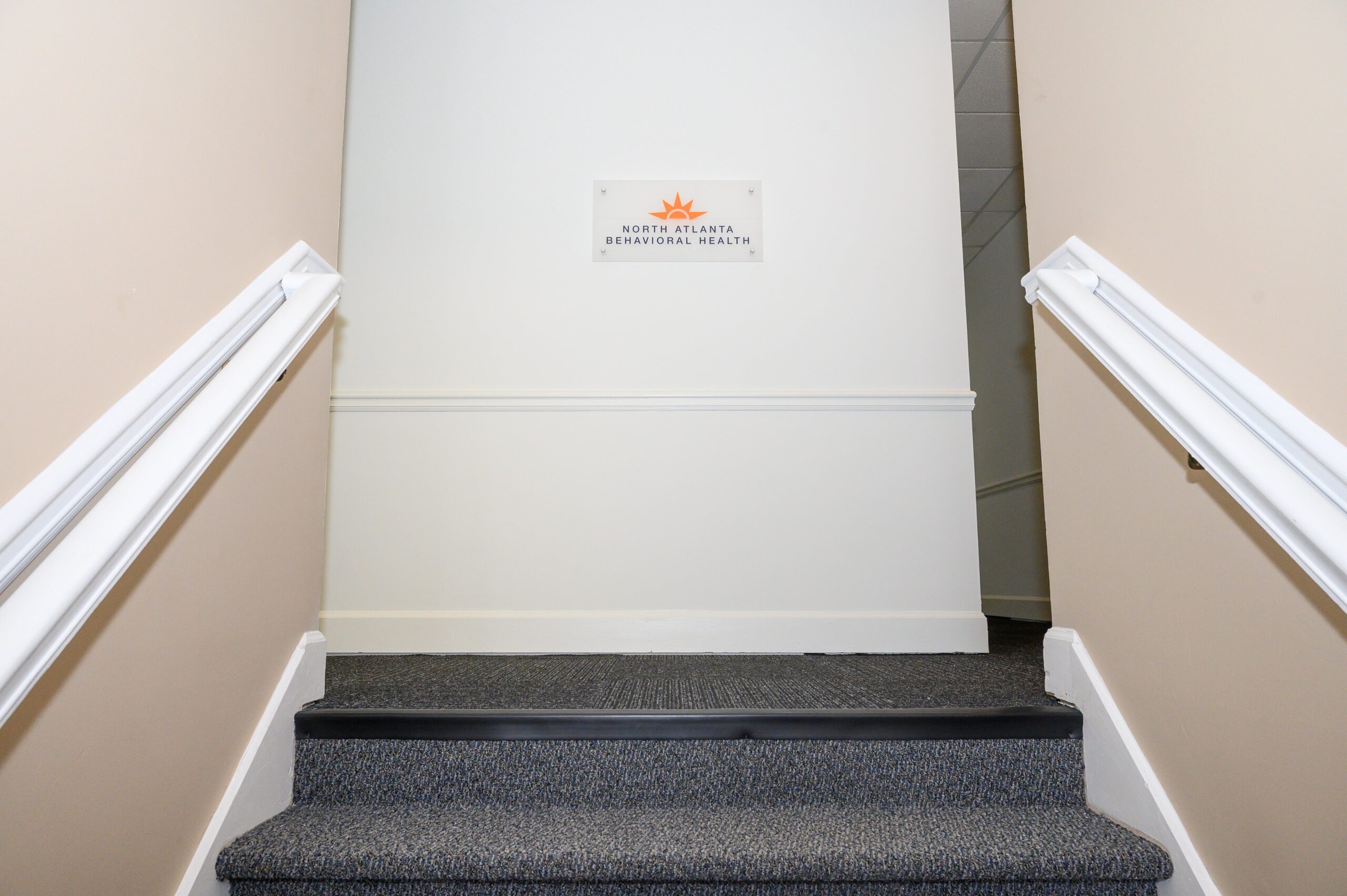
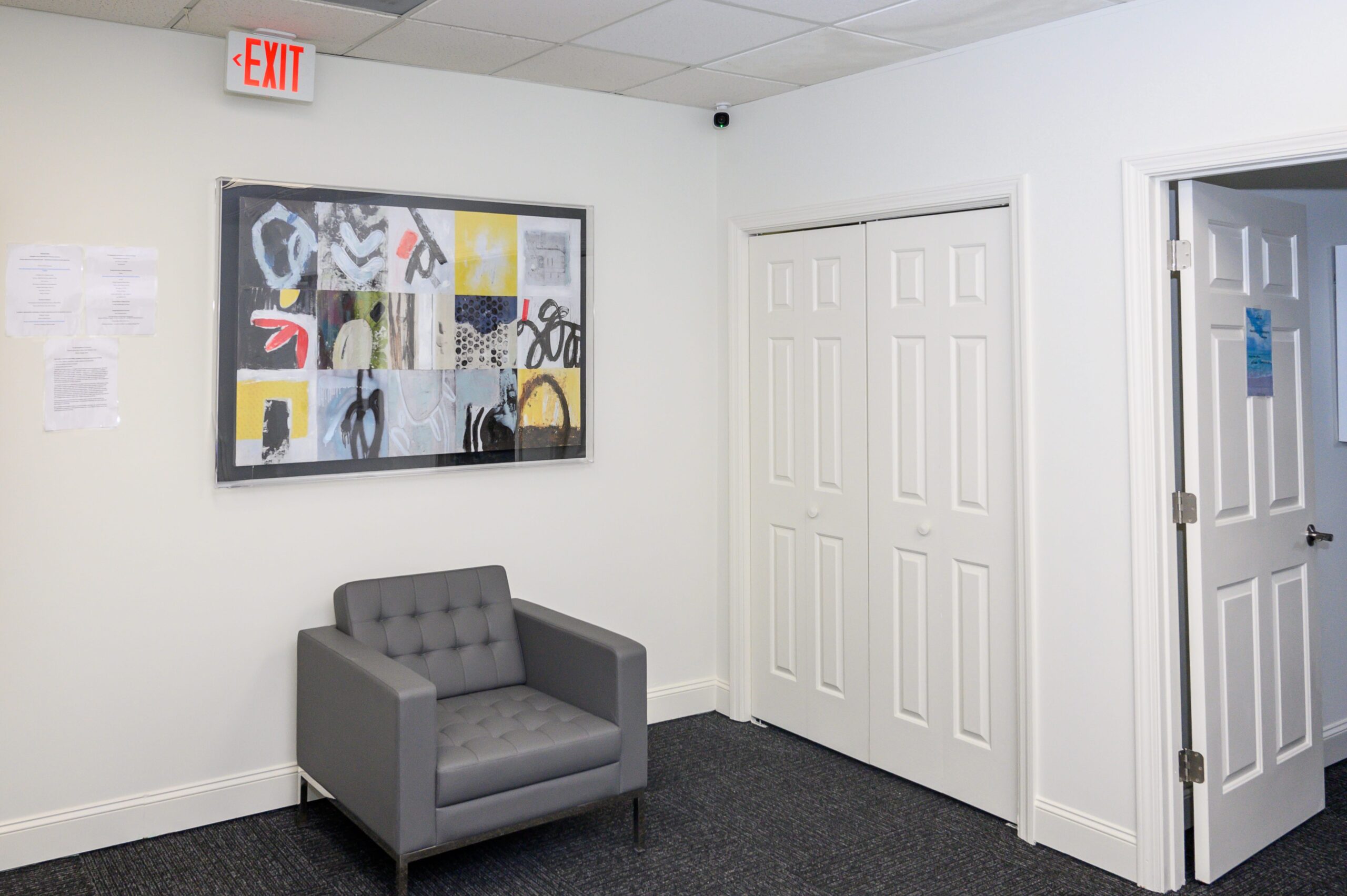
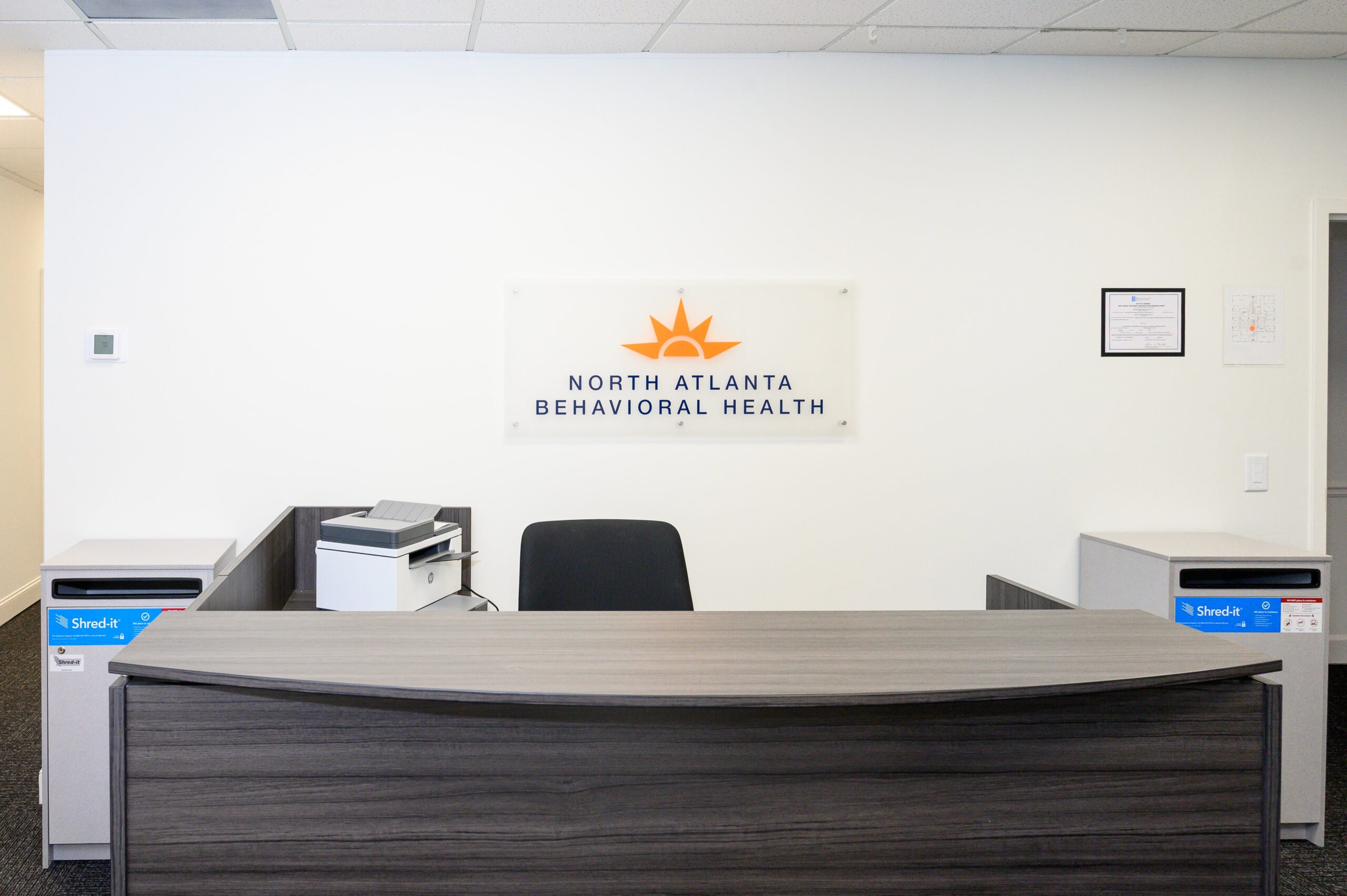

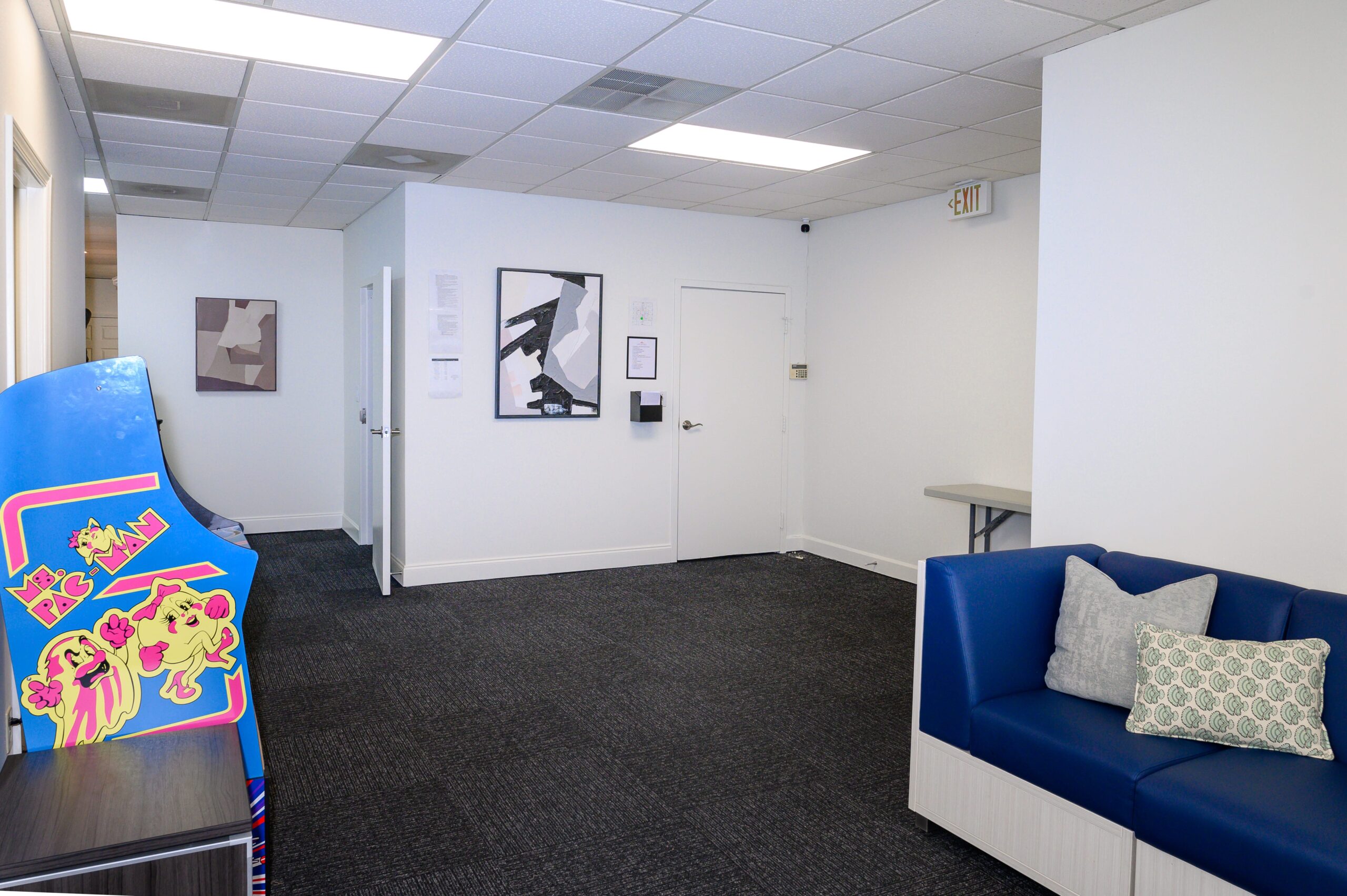


Find Complicated Grief Treatment in Atlanta
If grief has become overwhelming or feels impossible to navigate alone, professional support is available. Healing is possible with the right care and guidance. Call us at 770-230-5699 or visit our admissions page today to learn more about our complicated grief treatment in Atlanta and how we can help you take the next step toward healing.

Treatment Philosophy
North Atlanta Behavioral Health is dedicated to the health and happiness of our clients. We offer personalized treatment plans that put each individual’s needs first.

Meet Our Team
Our multidisciplinary team wants nothing more than for our clients to achieve a lifetime of recovery and sobriety. Let us help you get the most out of treatment.
Additional Information
TESTIMONIALS
Success Stories & Testimonials
 I have been to my fair share of mental health programs and this one was extremely small, intimate and every staff member I have ever had contact with has been completely professional, compassionate, and caring.
Marysa Trayer
I’ve had the pleasure of working with their staff. They provide incredible care in a safe and open space. I would recommend this facility to my own family member, which says a lot.
Annemarie Rich
They have the best care with such an amazing staff. There is such a great community there too that offers so much support in helping each other on their recovery. Wonderful experience and highly recommended!!
Colin Hayward
The most incredible treatment facility! Cutting edge treatment and staff that feels like family. Truly a place where they care about helping people.
Josh Mitarnowski
Everything about this facility is 5 star. The staff, the atmosphere. From start to finish they treat you like a real human, and their chief concern is your emotional wellbeing. I couldn’t recommend them enough. Life changing experience 😭
StoryHeights Next Gen